by super | Oct 29, 2025 | Elpro Technologies, Elpro Technologies Post
Did you know that factories typically operate at only 60% of their potential? It is a sobering thought, but factory automation can help unlock that remaining 40%. I am not talking about some outdated vision of robots welding car frames. It is about intelligently weaving technology into your operations to squeeze out every last drop of value, slash waste and foster a dramatically more productive workplace.
During my time at Elpro Technologies, I have been privileged to see this transformation firsthand. The secret is that there are no ready made, one size fits all solutions. Smart technology has to be molded to the precise contours of your needs and the specific challenges you face. The end goal? To free humans from roles that are prone to errors, unnecessarily dangerous or just plain inefficient. Our passion is delivering solutions that demonstrably boost your efficiency and strengthen your profitability.
Factory automation is not a monolithic block. Think of it instead as a carefully constructed symphony of connected technologies and clever strategies. If you want to devise a genuinely effective automation plan, you need to grasp its fundamental building blocks. When I advise my clients, I usually zero in on these areas:
- Industrial Computers: Think resilience and rock solid reliability. These are the bedrock of automated systems, providing consistent control and monitoring, even when conditions are brutal.
- Programmable Logic Controllers (PLCs): Consider these the brains of the entire operation. PLCs are specialized computers that control automated processes. They digest data flowing in from sensors and then execute programmed instructions to manage machinery with pinpoint accuracy.
- Robotics: Robots excel at the dullest, most dangerous and physically taxing jobs. This frees your human employees to concentrate on tasks that demand creativity and problem solving.
- Sensors and Actuators: Sensors are the eyes and ears of the system, constantly gathering real time data about the environment and the processes unfolding within it. Actuators are the hands, translating electronic commands into physical actions to control machines.
- Data Acquisition and Analytics: The nonstop collection and analysis of data from automated systems yields indispensable insights into how your processes are performing. That insight fuels continuous improvement and enables predictive maintenance.
- Human Machine Interfaces (HMIs): HMIs act as a bridge connecting humans and machines, giving operators a crystal clear window into exactly how automated systems are functioning.
The Quiet Revolution: Industrial Computers
Let us dig a little deeper into industrial computers. They are indispensable for modern factory automation. Engineered to shrug off intense heat, vibration, dust and other hazards common to industrial environments, these dependable workhorses supply the processing muscle and connectivity needed to manage machines, harvest data and communicate with other systems.
I have seen factories hobbled by antiquated control systems, plagued by frequent breakdowns and crippled by long downtimes. Upgrading to modern industrial computers not only dramatically improves reliability but also unlocks more sophisticated automation. Picture a food processing facility where maintaining precise temperature control is absolutely critical. By deploying industrial computers to vigilantly monitor and adjust temperature in real time, the plant can guarantee product safety and superior quality while also slashing spoilage.
PLCs: The Conductors of the Automated Symphony
Programmable Logic Controllers (PLCs) are the maestros that orchestrate the factory automation process. These specialized computers govern machines based on programmed instructions. They interpret the signals streaming in from sensors, process that information and dispatch commands to actuators to control equipment with unparalleled precision.
Envision a bustling bottling plant. PLCs manage the complete process, from the instant bottles are filled to when they are capped, labeled and readied for shipment. The PLC meticulously monitors bottle flow, fill levels and the capping mechanism. If something goes wrong, such as a bottle jam, the PLC can instantly halt the line, preventing a bigger problem. I once assisted a beverage company that managed to reduce downtime by 30% simply by upgrading its PLC system and refining its control logic.
Robotics: Beyond the Traditional Assembly Line
Robotics are arguably the most visually striking element of factory automation. Robots have been a mainstay in manufacturing for many years, especially on automotive assembly lines. Today, thanks to expanded capabilities and a broadening range of applications, modern robots boast advanced sensors, sophisticated vision systems and artificial intelligence. This potent combination empowers them to execute intricate tasks with vastly improved accuracy and greater flexibility.
I recently collaborated with a furniture manufacturer that was struggling to keep pace with escalating demand. Their manual chair assembly process was slow, heavily reliant on manpower and prone to errors. By introducing a robotic assembly line, they amplified production by 50% while simultaneously decreasing labor costs and elevating product quality. These robots efficiently screw in bolts, affix cushions and package chairs with only minimal human intervention.
The Irresistible Benefits of Factory Automation
The advantages of factory automation extend far beyond simply accelerating production. When implemented thoughtfully, it unleashes a cascade of improvements that significantly fatten a company’s profits and sharpen its competitive edge. Here are the primary benefits I have observed firsthand with my clients:
- Increased Productivity: Automation permits machines to run relentlessly, around the clock, without breaks or fatigue. This translates directly into a substantial increase in output.
- Improved Efficiency: By optimizing processes and curtailing waste, automation empowers companies to extract maximum value from their resources.
- Lower Costs: Automation generates considerable cost savings over time by curbing labor expenses, minimizing waste and optimizing energy consumption.
- Higher Quality: Automated systems execute tasks with enhanced accuracy and consistency compared to humans. This results in improved product quality and fewer defects.
- Better Safety: Automation is capable of handling tasks that are inherently dangerous for humans, thereby mitigating the risk of accidents and injuries.
- Greater Flexibility: Automated systems exhibit high adaptability and can be readily reconfigured to manufacture diverse products or adapt to fluctuating market demands.
- Better Data and Insights: Automation spawns enormous volumes of data. When analyzed, that data can pinpoint areas ripe for improvement and propel process optimization.
A Concrete Example: Optimizing a Packaging Line
Allow me to recount a project I completed for a food packaging company to demonstrate precisely how factory automation can overhaul operations. They were grappling with serious challenges on their packaging line, resulting in frustrating delays and missed deadlines. Their operation leaned heavily on manual labor, with workers manually filling, sealing and labeling boxes.
Teaming up with the company, I spearheaded the automation of their packaging line, seamlessly integrating robots, sensors and PLCs. Robots now load boxes with product, while sensors meticulously verify the weight. PLCs govern the sealing and labeling machines, guaranteeing that each box is properly sealed and labeled. The outcome? A substantial boost in both efficiency and throughput. The company witnessed a 40% surge in packaging speed and a 25% decline in labor costs.
Addressing Concerns About Automation
Automation might displace some jobs, but it simultaneously unlocks fresh opportunities for people. As routine tasks become automated, workers are liberated to transition into roles that require creativity, problem solving and critical thinking. Moreover, automation can amplify product demand, which indirectly generates more job openings.
My firm conviction is that successful automation hinges on robust collaboration between humans and machines. The objective should not be to entirely supplant human workers but rather to amplify their skills, empowering them to concentrate on tasks that demand uniquely human qualities, such as empathy, creativity and incisive critical thinking.
Tackling the Challenges of Factory Automation
While the upside of factory automation is clear, its actual implementation can be complicated. A carefully considered strategy, grounded in well defined goals and a clear eyed view of potential pitfalls, is indispensable. These are some common challenges I have aided clients in overcoming:
- Lack of a Clear Strategy: Many companies neglect to formulate a comprehensive automation plan, which spawns uncoordinated efforts that fall short of expectations.
- Resistance to Change: Workers might harbor misgivings about automation due to anxieties about job losses or difficulties in mastering new technologies.
- Integration Issues: Connecting newly automated systems with existing infrastructure and software can pose formidable technical hurdles.
- Skills Gap: Companies might lack the requisite expertise to operate and maintain sophisticated automated systems.
- Initial Investment: The initial expenses of automation can be substantial, potentially erecting a barrier for some organizations.
To sidestep these problems, I propose these steps:
- Develop a Comprehensive Automation Plan: Establish explicit goals for automation and craft a detailed strategy to attain them.
- Encourage Open Communication: Clearly articulate the advantages of automation to workers and address any reservations they might harbor.
- Invest in Skills Training: Equip workers with the training necessary to master new technologies and embrace new roles.
- Create Strategic Technology Partnerships: Forge alliances with seasoned technology providers who can steer you in selecting and implementing the appropriate solutions for your particular needs.
- Use Incremental Implementation: Commence with small pilot projects and progressively expand as you accumulate experience and confidence.
The Merit of a Phased Approach
I consistently counsel clients to embrace a phased approach to factory automation. Avoid the temptation to automate everything simultaneously. Instead, pinpoint areas where automation can deliver the most significant impact and prioritize those first.
Leverage the insights garnered from successful pilot projects to inform future automation endeavors. A more nuanced grasp of the complexities, costs and advantages will empower you to make smarter investment decisions moving forward.
The Indispensable Role of Data in Factory Automation
Data is paramount for factory automation. Automated systems generate vast streams of data that can be harnessed to refine processes, elevate quality and compress costs. By diligently collecting and scrutinizing data from sensors, PLCs and other equipment, you can unlock invaluable insights into factory operations. This information can be leveraged to diagnose problems, forecast equipment failures and optimize production schedules.
Imagine a machine churning out defective parts. By analyzing data from the machine’s sensors, you might unearth the underlying cause. Is the machine overheating? Are raw materials being fed incorrectly? Once you pinpoint the problem, you can implement measures to preclude its recurrence.
Elpro Technologies: Your Ally in Factory Automation
At Elpro Technologies, I appreciate the intricacies of factory automation. I have spent years assisting manufacturers in implementing automation solutions and boast a proven record of success. I deliver a comprehensive suite of services, spanning consulting, design, implementation and ongoing support. I invest the time to comprehend my clients’ unique challenges and needs and then devise solutions precisely tailored to them. My specialization lies in industrial computers and their myriad applications in automation.
My team of adept engineers and technicians stands ready to assist you with:
- Developing a comprehensive automation strategy.
- Selecting the optimal technologies for your specific needs.
- Designing and implementing custom automated systems.
- Integrating new systems with your existing infrastructure and software.
- Providing comprehensive training and support for your workforce.
My overarching ambition is to empower my clients to realize their automation goals and extract maximum value from their factory operations. My unwavering belief is that automation is fundamentally about people, processes and partnerships, and not merely about technology.
The Horizon of Factory Automation
The outlook for factory automation appears exceptionally promising. The relentless evolution of technologies such as artificial intelligence, machine learning and the Industrial Internet of Things (IIoT) will catalyze even more sophisticated automation solutions. These technologies will enable factories to evolve into more autonomous, efficient and responsive entities, capable of adapting swiftly to shifting market conditions.
For instance, AI can dynamically recalibrate production schedules in real time, factoring in variables such as demand fluctuations, raw material availability and equipment performance. Machine learning can anticipate equipment failures and proactively schedule maintenance to minimize downtime and maximize throughput. The IIoT can seamlessly connect all devices within a factory, furnishing a panoramic view of operations and enabling data driven decision making.
I am genuinely enthusiastic about the future of factory automation. I pledge to equip my clients with the tools and knowledge they need to thrive. I vigilantly monitor emerging technologies and pioneer innovative solutions to metamorphose factories into intelligent, connected and exceptionally efficient operations.
Initiating Your Factory Automation Adventure
If you are contemplating implementing factory automation, I strongly encourage you to reach out to me today. I extend a complimentary consultation to explore your particular challenges and objectives. Together, we can formulate an automation strategy that precisely aligns with your requirements. The journey toward heightened productivity and efficiency commences with a simple conversation.
My conviction is that factory automation is not exclusively for sprawling corporations. Small and medium sized businesses can also reap considerable rewards. By automating pivotal processes, you can streamline operations, compress costs and liberate your workforce to channel their energies into more rewarding endeavors.
So, what is holding you back? Contact Elpro Technologies without delay. Let me guide you in unlocking the full potential of your factory!
by super | Oct 29, 2025 | Elpro Technologies, Elpro Technologies Post
Do you remember when factories hummed with the constant whir of cooling fans? That sound, while a constant reminder of hard working tech, also raised questions about system dependability. I have watched a significant change happen: a silent shift powered by fanless PCs. At Elpro Technologies, we have observed these strong computers change industrial computing, improving uptime, making upkeep easier and unlocking interesting possibilities in tough settings.
Typical computers depend on fans to get rid of heat made by the CPU, GPU and other parts inside. This common way, while normal, has built in flaws that get worse in factory environments.
- Dust and Debris Getting In: Factories are known for having stuff floating in the air. Fans work like small vacuums, pulling dust, dirt and other small bits into the computer. This buildup clogs the heatsink, lowering cooling ability and causing overheating, part failure and total system shutdowns.
- Mechanical Problems: Fans have parts that move, wearing down over time, especially when running all the time. One fan breaking can cause serious overheating and system crashes, causing expensive downtime and lost data.
- Loud Noise: The steady whir of fans makes for a noisy workspace, which can distract workers and hurt how they feel. Being around too much noise for too long can be bad for productivity and morale.
- Maintenance Expenses: Fans need to be cleaned regularly and replaced at some point. These tasks add to how much each computer costs overall. These hidden expenses can really impact the budget.
I have personally seen times when a failing fan ruined an important system, causing big problems. This is a regular source of pain for those in industrial computing, requiring a more dependable answer.
How Fanless Computers Function: A Detailed View
Fanless PCs remove the need for fans by using passive cooling methods. These computers usually have a big heatsink that helps heat go away naturally. Here is how it works:
- The computer’s parts inside (CPU, GPU, etc.) make heat.
- This heat moves to a large heatsink, often built from aluminum or copper.
- The heatsink’s big surface lets heat move into the air around it through convection.
- Some types use heat pipes to move heat from the parts to the heatsink effectively.
This passive cooling way gives strong advantages over normal fan systems.
Using fanless PCs in industrial computing is more than looking for quiet; it means promising better dependability, better performance and lower expenses. The main benefits are:
- Lasting Dependability: With no moving parts, fanless PCs greatly lower the chance of mechanical failure. This means longer lifecycles and less upkeep needed.
- Great Durability: Fanless PCs often come in tough cases made to handle harsh industrial places, including very hot and cold, shaking and impacts.
- Quiet Work: Not having fans makes for almost no noise, making for a better and more effective workspace. This is especially good in places where noise matters.
- Little Upkeep: Fanless PCs need very little upkeep since there are no fans to clean or change. This saves time and money.
- Less Energy Use: Fanless PCs usually use less power than fan cooled systems, leading to lower energy bills and less environmental impact.
- Better Protection from Dust and Dirt: Sealed cases in fanless PCs stop dust and dirt from getting into the system, protecting important parts.
At Elpro Technologies, we strongly believe in what fanless PCs can do. We have spent years making our line of silent PCs just for industrial computing uses. Our answers are built on:
- Careful Part Picking: We only get top tier, industrial grade parts that can handle very hot and cold and tough situations.
- Advanced Heat Engineering: Our engineers use the newest tools to improve heatsink designs for the best heat removal ability.
- Tough Cases: Our fanless PCs come in strong cases that give great protection against dust, water, shaking and impact.
- Custom Options: We give many custom options to meet what customers need, including different CPU choices, memory sizes, storage choices and input/output setups.
We do more than just put computers together; we make full answers. We know the problems our customers have in industrial computing, and we design our fanless PCs to face those problems head on.
Fanless PCs are a great fit for many industrial computing uses, like:
- Factory Work: Machine control, production line watching and real time data getting.
- Transportation: Computer use in vehicles, traffic control and passenger info systems.
- Oil and Gas: Remote watching, pipeline control and data logging.
- Medical: Checking tools, patient watching systems and medical viewing.
- Digital Signs: Powering screens in public areas, retail places and transportation centers.
- Watching: Video recording and looking at data in security systems.
I have even put our fanless PCs in some of the hardest places you can think of, from research places in Antarctica to deep sea exploring vehicles. Their built in dependability and no maintenance design make them needed in far away spots.
I remember a major food making plant that had regular computer failures in their production line controls. The place was hot, wet and full of dust and food bits. Normal fan cooled computers kept overheating and breaking, stopping production and costing money.
I told them to change the broken computers with our fanless PC answers. The fanless PCs were put in sealed cases to give the best protection from the harsh place. The results were amazing. System dependability greatly got better. Downtime dropped by over 80%, leading to a big rise in production. The maintenance team said they spent much less time and money on upkeep since they did not have to clean or change broken fans. The money spent at first paid for itself in a year.
To pick the best fanless PC for your industrial computing needs, think about these things:
- Performance Asks: Know the CPU, GPU and memory needs of your program. Pick a fanless PC with enough processing ability and memory size to handle the work.
- Place Conditions: Check the temperature, humidity and dust amounts of where it will work. Pick a fanless PC with a tough case that can handle those conditions.
- Input/Output Connections: Know what ports you need, like Ethernet, USB, serial and display ports. Pick a fanless PC with the right port setup.
- Setting Up Choices: Know how you want to set it up (wall, DIN rail, rack). Pick a fanless PC with matching setup options.
- Power Needs: Make sure the fanless PC matches your power supply. Think about power use, especially in far away spots with little power available.
- Industry Approvals: Pick fanless PCs that are approved to meet industry rules, like CE, FCC and UL.
I often tell customers to guess high on their processing needs. Program needs tend to grow over time, so it is good to have extra power.
Fanless PCs are not just a trend; they show a big change in industrial computing. The good things like better dependability, less upkeep, quiet work and more durability are too good to pass up. As tech gets better, I think fanless computers will get even more powerful, effective and able to do more.
Picking a fanless PC is just the first thing. At Elpro Technologies, I promise to give full customer help. I give:
- Expert Help: Our smart experts can help you pick the best fanless PC for what you need.
- Custom Work: We can change our fanless PCs to meet your special needs.
- Easy Joining: We can help you join our fanless PCs into your systems.
- Ongoing Help: We give ongoing tech help to make sure your systems run smoothly.
I know that every customer is different, and I try to give custom answers that meet your needs. I want to be a real partner in your success.
Changing to fanless PCs means putting money in the future of your industrial computing setup. The long run good things like better dependability, less upkeep and better performance make it worth it. By using this tech, you can get better effectiveness, production and profits.
If you are ready to see the good things of fanless PCs for yourself, I tell you to contact us. Our team can help you find the perfect answer for your needs. Let us help you lower the noise and make the power of fanless PCs stronger.
by super | Oct 29, 2025 | Elpro Technologies, Elpro Technologies Post
Did you know that experts are saying the embedded systems market is heading toward $150 billion? At Elpro Technologies, I have witnessed firsthand how embedded systems are completely changing automation. You might not always see them, but these systems are the brains of so many devices and processes. They are transforming industries like manufacturing and healthcare and are very important for the future.
I started working with embedded systems two decades ago, mainly with industrial control systems. Back then, the technology did not have a lot of processing power or the best connectivity. Now, I develop systems that are smarter, more compact and better connected.
So, what exactly are embedded systems? The way I see it, they are specialized computers made to do a specific task inside another device. General purpose computers can do a lot of things, but embedded systems concentrate on one thing. A good example is the control system in your car. Or consider the smart thermostat in your house, or the processing inside a modern medical device. All of those rely on embedded systems.
- Dedicated Functionality: Built for a specific job.
- Real-Time Operation: Must have fast response times.
- Resource Constraints: Must work with limited memory and processing.
- Integration: Works inside a larger system.
If you understand these things, you are well on your way to developing excellent embedded solutions.
How Embedded Systems Make Automation Happen
When embedded systems and automation come together, you can control things in a way that was never possible before. You also get greater precision and more output across many industries. Automation is all about reducing the amount of work people have to do and increasing output, and embedded systems make that possible.
One of my clients had a big manufacturing plant. They were having problems with inefficiencies on their production line. I put in a control system based on embedded systems. It automated some very important processes, reduced downtime and increased output by 25%. That is a big deal and shows you the kind of impact embedded systems can have.
Important Uses of Embedded Systems in Automation
- Industrial Control Systems (ICS): Keep an eye on industrial operations.
- Robotics: Allow robots to work on their own in manufacturing, logistics and similar fields.
- Building Automation: Control HVAC, lighting and security.
- Smart Agriculture: Makes irrigation, fertilization and harvesting better.
Embedded Systems and the Internet of Things (IoT)
Embedded systems are what makes the Internet of Things (IoT) possible. These systems offer the smarts and connectivity you need to turn regular objects into smart devices that connect to the internet. From smart home devices to industrial sensors, embedded systems are extremely important to the IoT.
I recently led a project that used smart sensors across a large agricultural area. These sensors used embedded systems to gather real time information about soil moisture, temperature and nutrients. They sent this data to a central server. The server analyzed the data to make irrigation and fertilization better. Water use went down quite a bit, and crop yields got much better. The farmers were happy that they could make decisions based on reliable information.
How an IoT System Works
An IoT system depends on these three things:
- Embedded Devices: Devices that gather and process data.
- Connectivity: A system that connects devices to the internet.
- Cloud Platform: A central place to store and analyze data.
Embedded systems are very important to all of these components. They offer the processing, connectivity and security you need for the IoT to work well.
Elpro Technologies: Custom Embedded Systems Solutions
At Elpro Technologies, I develop custom embedded systems solutions for a lot of different industries. I have years of experience and a talented engineering team. I am dedicated to providing reliable solutions that take care of my clients’ specific needs.
I always listen closely to my clients. I want to understand their problems and design solutions that are a good fit. I do not think there is one solution that fits everyone. Every project is different and needs its own approach.
What We Do Best in Embedded Systems Development
- Hardware Design: Making custom circuit boards and electronic parts.
- Software Development: Writing firmware and application software for embedded systems.
- System Integration: Fitting embedded systems inside of larger systems.
- Testing and Validation: Making sure embedded systems meet very high standards for performance and reliability.
The Difficulties of Embedded Systems Development
It is not always easy to create embedded systems. These systems often have to work in difficult conditions. They also have limited resources and must meet strict performance guidelines. You need to understand hardware and software very well. You also need to focus on security and dependability.
One of the biggest difficulties is protecting systems from security threats. Devices are more connected than ever before, so embedded systems are becoming targets for cyberattacks. I make security a priority. I put in strong defenses to keep my systems safe.
Common Issues in Embedded Systems
- Resource Constraints: Dealing with limitations in memory, processing and battery.
- Real-Time Requirements: Meeting immediate response needs.
- Security Vulnerabilities: Protecting systems from cyberattacks.
- Environmental Conditions: Working in severe and unpredictable conditions.
The Future of Embedded Systems
The future for embedded systems looks very good. Technology keeps getting better, so these systems will have more power, better connectivity and be integrated more deeply into daily life. From self driving cars to smart cities, embedded systems will shape what is to come.
I am excited about the combination of artificial intelligence (AI) and embedded systems. When you integrate AI algorithms, you can create devices that are smarter, more adaptable and more responsive to what is around them. For example, imagine a self driving car that learns from every trip and adapts to changing road conditions. Or a smart home that anticipates what you need and adjusts settings automatically. There are so many possibilities.
New Ideas in Embedded Systems
- Artificial Intelligence (AI): Combining AI algorithms.
- Edge Computing: Processing data on devices.
- 5G Connectivity: Communication that is faster and more reliable.
- Cybersecurity: Making system defenses against cyber threats better.
Elpro Technologies in Action: Embedded Systems Success Stories
Here are some examples of how Elpro Technologies has helped clients use embedded systems to achieve their goals:
Example 1: Smart Irrigation System
A large farm was wasting water and not getting consistent crop yields. I came up with a smart irrigation system. It used soil moisture sensors powered by embedded systems. These sensors carefully collected real time data on soil moisture levels and sent it to a central server. The server analyzed the data and automatically adjusted the irrigation system to give each crop the specific amount of water it needed. The result was a 30% decrease in water use and a 15% increase in crop yields.
Example 2: Better Production Line Work
A manufacturing company wanted to make its production line more productive. I designed and set up an automated control system that relied on embedded systems. This system kept an eye on material movement, machinery operation and quality control. Output went up by 20%, and labor costs went down substantially.
Example 3: Smart Home Security System
A homeowner wanted to make their home more secure. I suggested a smart home security system. It used sensors, cameras and alarms powered by embedded systems. This system constantly watched the property for unauthorized entry. It also detected smoke and fire and quickly alerted the homeowner and the authorities during emergencies. The homeowner felt much more secure.
How to Choose the Right Embedded System
It is very important to pick the right embedded system for your specific needs. You need to consider things like performance, power consumption, budget and security. You have to assess your specific needs carefully to make sure you pick a system that is a good fit.
I always tell my clients to clearly define what they are trying to do. What problem do they need to solve? How well does the system need to perform? What financial resources do they have? When you know your specific needs, you can evaluate different embedded systems effectively. That helps you pick the system that will best help you achieve your goals.
Important Things to Think About When Choosing an Embedded System
- Performance: How fast the system processes data.
- Power Consumption: How much energy the system uses.
- Cost: How much it costs to buy and maintain.
- Security: How secure the system is.
- Connectivity: How well the system can communicate.
How to Get Started with Embedded Systems Development
If you are new to embedded systems, it might seem difficult to get started. There are a lot of technologies and tools to learn, so it can be hard to know where to begin. But if you have the right guidance and resources, anyone can learn to develop embedded systems.
I offer training programs and workshops that give people and organizations the basic understanding they need to be successful with embedded systems. These programs cover hardware and software basics, including topics like AI and cybersecurity.
Good Resources for Learning About Embedded Systems
- Online Courses: Platforms like Coursera and Udemy have courses.
- Development Kits: Kits from Arduino and Raspberry Pi are great for experimenting.
- Books and Articles: There are a lot of resources available.
- Community Forums: Connect with other developers and experts.
Elpro Technologies: Your Partner in Embedded Systems
At Elpro Technologies, I am very passionate about embedded systems and what they can do for different industries. I am dedicated to providing clients with reliable solutions that help them achieve their biggest goals.
Maybe you want to automate manufacturing. Maybe you want to create a smart home device. Or maybe you want to develop cutting edge medical devices. I am here to help. Contact me to learn about my services and how I can help you use the power of embedded systems.
I am always learning and improving. I have seen how these systems solve difficult problems and make things more efficient, productive and of better quality. I am excited about the future and the important role that embedded systems will have in creating a more automated world with better connectivity.
I am proud to be leading this change. I work closely with clients to develop solutions that have a real impact. From industrial automation to IoT applications, embedded systems are still very important for creating the future. Elpro Technologies is ready to help you on this exciting path.
by super | Oct 29, 2025 | Elpro Technologies, Elpro Technologies Post
Did you know that unexpected downtime hits nearly 70% of manufacturing businesses each year? Often, the culprit is old or inadequate computer systems. This poses a major problem for industries right here in India. I started Elpro Technologies to tackle this challenge head on. I want us to be the top industrial computer manufacturer India trusts.
Elpro Technologies came about because I saw a clear gap. Indian industries needed tough computing solutions made just for demanding work environments. Far too often, companies were using imported tech or trying to force standard computers to work in harsh factory settings. The result was lost productivity and higher costs. My vision was to give Indian companies access to first rate industrial computers, built right here at home. This idea drives everything we do at Elpro Technologies. I have one simple goal: to provide India with the most dependable industrial PCs and embedded systems you can find. As an industrial PC company that focuses on customers, your success is my priority.
Before I get into what Elpro Technologies offers, let us look at a basic question. Why choose an industrial computer instead of a regular desktop or server?
- Durability: Industrial computers are made to handle extreme temperatures, humidity, vibration and dust. Ruggedized parts and often fanless designs reduce the chance of breakdowns.
- Reliability: In manufacturing, downtime means major financial losses. Industrial computers are made for constant operation, showing impressive MTBF (Mean Time Between Failures) ratings.
- Longevity: Industrial computers usually last longer than consumer grade electronics. This cuts down on replacement frequency and ensures consistent long term performance.
- Connectivity: Industrial computers offer a wide array of input/output ports and communication interfaces. This includes serial ports, Ethernet and industrial fieldbus protocols.
- Customization: Industrial computers can be made to fit your exact specifications. Options include processors, memory, storage and expansion slots.
From humble beginnings, Elpro Technologies has grown into a leading industrial computer manufacturer in India. My passion comes from a love of innovation and a strong focus on customer satisfaction. I believe in creating strong, collaborative relationships, understanding your problems and delivering solutions that go beyond expectations.
My team includes experienced engineers, innovative designers and skilled manufacturing pros. All of us are focused on delivering exceptional products. I invest heavily in research and development, always looking for new technologies and pushing what is possible. I am an industrial PC company that always puts the customer first.
One of my first projects involved a custom industrial computer for a large pharmaceutical company. They needed a system that could handle corrosive chemicals while reliably collecting and controlling data. I worked closely with them to define their exact needs and created a solution perfectly suited for them. This project showed me the importance of teamwork and customization. These are principles that continue to guide me today.
At Elpro Technologies, I offer a full range of industrial computing solutions to handle any problem. Here is a quick look at my product portfolio:
Our Industrial Computing Solutions
Industrial Panel PCs
These combine a tough display with a powerful computer in one unit. They are perfect for HMI (Human Machine Interface) applications, process control and data visualization. I offer various screen sizes, touch technologies and mounting options to fit different environments.
I remember a food processing company that had frequent failures and maintenance issues with their existing HMI system. They needed something reliable and easy to use. I suggested my latest industrial panel PC, which featured a stainless steel enclosure, a wide operating temperature range and a high brightness display for great visibility, even in direct sunlight. The client was thrilled with the system’s performance and reliability. This gave them a major boost in production.
Box PCs
These small but powerful computers are made for embedded applications and industrial control. They offer versatile connectivity, including serial ports, Ethernet and digital input/output. This makes them useful for data logging, machine control and network appliances.
One project that stands out involved supplying box PCs for a solar power plant. These computers needed to handle constant exposure to the weather while tracking solar panel performance and managing the plant’s inverters. My box PCs were up to the task, delivering consistent performance in a tough setting.
Rackmount Computers
Built for server rooms and data centers, my rackmount computers provide high performance, scalability and redundancy. They are perfect for data acquisition, process control and network security applications.
I provided a major telecommunications company with my rackmount computers for their network monitoring center. These machines needed to process huge amounts of data and generate alerts if there were network outages. My rackmount computers delivered the power and reliability needed to ensure smooth network operation.
Embedded Systems
My embedded systems are custom engineered to meet your specific needs. I work closely with you to understand your challenges and develop solutions that are a perfect fit. I offer access to various embedded platforms, including ARM, x86 and RISC V.
One particularly interesting project involved an embedded system for smart agriculture. This system monitored soil conditions, managed irrigation and transmitted data to a central server. I developed a low power embedded system that could operate on its own in the field for long periods. This showed my ability to deliver innovative solutions to real world problems.
Industrial Motherboards
Looking to build your own system? I offer a wide selection of industrial motherboards made for reliability, long lifecycles and compatibility with various industrial components. They feature multiple expansion slots, serial ports and Ethernet interfaces.
Accessories and Customization
Besides complete systems, Elpro Technologies offers a range of accessories, including power supplies, expansion cards and cabling solutions. I know that every application is different. That is why I provide extensive customization options. From custom branding and software to specialized input/output configurations and enclosure modifications, I work with you to tailor my products to your exact needs.
Factory automation is boosting economic growth in India. As manufacturers try to increase output, reduce costs and improve quality, they are increasingly using automation solutions. Industrial computers are key to these systems, providing the necessary computing power and connectivity to manage machines, monitor processes and collect data.
Elpro Technologies is committed to supporting the growth of factory automation in India. My industrial computers are used in many different applications:
- Machine control: Operating automated machinery such as robots, CNC machines and packaging equipment.
- Process control: Monitoring and managing industrial processes such as chemical reactions, food processing and water treatment.
- Data acquisition: Collecting data from sensors and other devices for analysis and reporting.
- Quality control: Identifying product defects and ensuring adherence to standards.
- Predictive maintenance: Analyzing data to predict equipment failures, enabling proactive maintenance and preventing costly downtime.
I am also actively involved in efforts to promote factory automation throughout India. I work with universities and research organizations to develop new technologies and train the next generation of automation engineers. You can also find me at industry events, showing off my products and sharing my knowledge.
With so many options out there, why should you choose Elpro Technologies as your industrial computer manufacturer India? Here is what makes me different:
- Experience: I have years of experience in the industrial computing industry. This gives me a deep understanding of the challenges my customers face.
- Expertise: My team includes highly skilled engineers and technicians.
- Quality: I am committed to providing top quality products made to handle harsh industrial environments.
- Customization: I offer a wide range of customization options to meet your specific needs.
- Support: I provide exceptional customer support, from initial inquiries to ongoing maintenance.
- Local Presence: As an Indian manufacturer, I offer local support, faster turnaround times and a thorough understanding of the Indian industrial scene.
My strong focus on quality, innovation and customer satisfaction truly sets me apart. I am more than just a vendor. I am a partner, working with you to achieve your goals.
The future of industrial computing in India looks bright. As the country’s manufacturing sector continues to grow, the need for reliable computing solutions will only increase. I am committed to staying ahead, developing new technologies and expanding my product line to meet the changing needs of my customers.
I see a few key trends shaping the future of industrial computing in India:
- Increased adoption of IoT (Internet of Things): Connecting industrial devices to the internet will unlock new levels of automation, data collection and remote monitoring.
- Growing demand for edge computing: Processing data closer to the source will reduce latency and improve decision making.
- Greater utilization of artificial intelligence (AI): AI will be used to analyze data, optimize processes and predict equipment failures.
- Enhanced focus on cybersecurity: Protecting industrial systems from cyberattacks will be crucial for ensuring safe and reliable operations.
Elpro Technologies is investing in these areas to make sure I remain a leader in the industrial computer manufacturer India market. I am developing new products and services that use IoT, edge computing, AI and cybersecurity to empower my customers.
My success is seen in the success of my customers. I have had the privilege of working with companies across various industries. I have helped them improve their operations and achieve their business goals. Here are a few examples:
- Automotive Manufacturing: I provided rugged panel PCs for a leading automotive manufacturer’s assembly line. This enabled real time tracking of production processes, reduced errors and increased overall output.
- Pharmaceutical Production: I developed a custom embedded system for a pharmaceutical company’s drug dispensing system. This ensured accurate dispensing of medications and improved patient safety.
- Renewable Energy: I supplied box PCs for a wind farm’s monitoring and control system. This delivered reliable performance in harsh conditions and maximized energy production.
- Transportation: I provided rackmount computers for a railway signaling system. This ensured safe train operation, minimized delays and improved passenger safety.
These are just a few examples of how Elpro Technologies is helping industries across India succeed. I am honored to play a role in my customers’ stories.
Choosing the right industrial computer manufacturer in India is a critical decision. It can affect your operations, profitability and competitiveness. At Elpro Technologies, I am focused on providing you with the best solutions and support.
I encourage you to check out my products and services by visiting my website or contacting me directly. My team is ready to answer your questions and help you find the perfect solution. I am confident that I can be a valuable partner for your business. Learn more about my industrial computers.
Elpro Technologies is more than just an industrial PC manufacturer. I am a solutions provider, a technology partner and a trusted advisor. I am committed to helping Indian businesses thrive.
I look forward to connecting with you and seeing how I can work with you to build a better future for Indian industry.
by super | Oct 27, 2025 | Elpro Technologies, Elpro Technologies Post
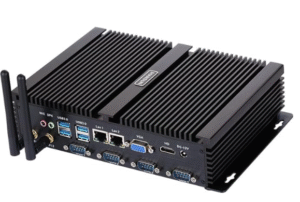
A fanless PC is a computer designed to operate without cooling fans, using passive cooling methods instead. These systems are ideal for industrial, commercial, and embedded applications where silent operation, low maintenance, and high reliability are essential.
A fanless PC (also known as a passively cooled computer) is a computing system that uses heat sinks, thermal conduction, and natural convection to dissipate heat instead of traditional mechanical fans.
Because there are no moving parts, fanless PCs are quieter, more durable, and better suited for dusty, vibration-prone, or outdoor environments.
Key Features
1. Passive Cooling System
-
Aluminum or metal chassis acts as a large heat sink.
-
Heat from the CPU and GPU is transferred via thermal pads or heat pipes to the chassis.
-
Dissipation occurs through convection (airflow around the enclosure).
2. Compact & Sealed Design
-
Completely sealed enclosure — keeps out dust, debris, and moisture.
-
Ideal for industrial sites, vehicles, or medical environments where air circulation is limited.
3. Low-Power Components
4. Connectivity Options
Fanless PCs often include extensive I/O options, such as:
-
USB 3.0 / 3.1 / USB-C ports
-
Multiple LAN ports (for industrial networks)
-
Serial ports (RS-232/422/485)
-
HDMI / DisplayPort
-
GPIO, CAN bus, or expansion slots (for industrial control)
-
4G/5G, Wi-Fi, and GPS modules (for mobile or IoT use)
5. Mounting and Form Factors
-
DIN-rail, VESA, or wall mountable
-
Compact box PCs, embedded PCs, or panel PCs (integrated with a screen)
Elpro Technologies Bangalore stands as a trusted leader in Industrial PCs, Digital Signage, Touchscreen Kiosks, and advanced display systems. Over the years, the company has built a strong reputation for quality, reliability, and innovation, making it a preferred choice for businesses looking for robust industrial hardware solutions. With a customer-first approach,
Elpro Technologies continues to serve clients across a wide spectrum of industries, providing products that deliver consistent performance and long-term value.
Beyond its headquarters in Bangalore, Elpro Technologies has expanded its delivery and support network to cover major cities across India. Whether your business is in Mumbai, Delhi, Chennai, Hyderabad, Pune, Kochi, Kolkata, or emerging industrial hubs, Elpro Technologies ensures timely delivery, installation, and service support. This pan-India presence reflects the company’s commitment to making world-class industrial and digital solutions accessible to enterprises of all sizes and sectors.
Every product offered by Elpro Technologies is designed and manufactured with strict quality standards, ensuring durability and superior performance even in challenging industrial environments. From rugged industrial computers and single-board systems to custom kiosks, vertical digital standees, and floor displays, Elpro Technologies provides a complete range of solutions under one roof. This end-to-end capability allows customers to enjoy seamless integration, easier maintenance, and a single point of contact for all their hardware needs.
Contact : Elpro Technologies
📍 Address: #43, 2nd Cross Road, P&T Colony, Opposite BWSSB Office, R.T. Nagar, Bengaluru – 560032, Karnataka, India
📞 Mobile: +91-8892147021 / +91-8892147023
📧 Email: sales@elprotech.in | info@elprotech.in
🌐 Website: www.elprotech.in
by super | Oct 27, 2025 | Elpro Technologies, Elpro Technologies Post
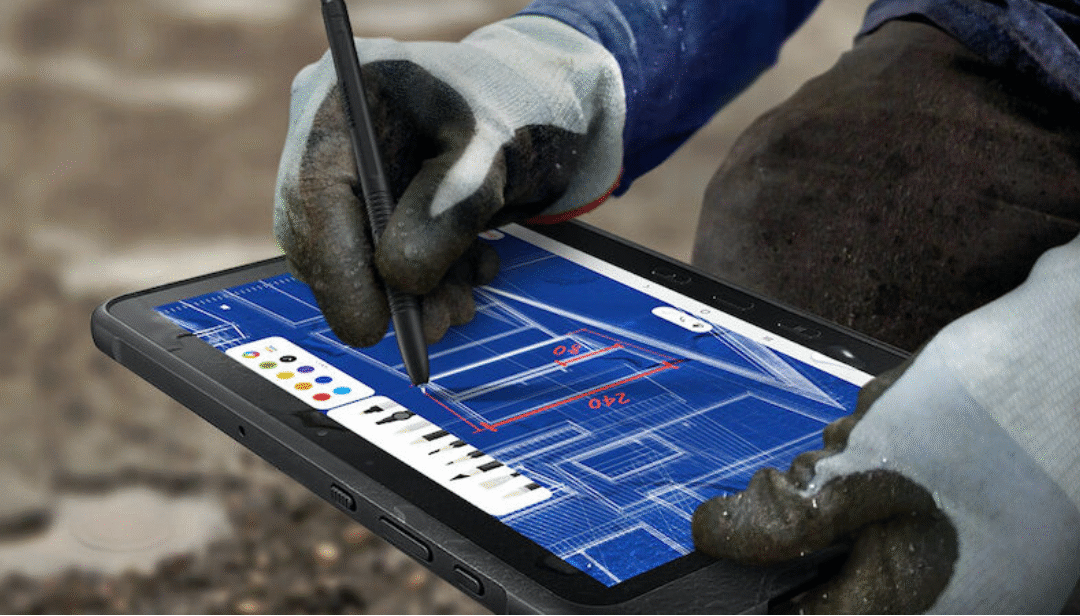
An industrial rugged tablet is a durable, high-performance computing device designed to operate reliably in harsh environments — such as factories, construction sites, warehouses, and field service operations. Unlike consumer tablets (like iPads or Galaxy Tabs), rugged tablets are built to withstand extreme conditions including dust, water, vibration, shock, and temperature fluctuations.
An industrial rugged tablet is a portable, touch-enabled computing device built to meet military-grade durability and industrial performance standards. These tablets are often used where reliability, mobility, and data collection are crucial.
Elpro Technologies Bangalore stands as a trusted leader in
Industrial PCs,
Digital Signage,
Touchscreen Kiosks, and advanced display systems. Over the years, the company has built a strong reputation for quality, reliability, and innovation, making it a preferred choice for businesses looking for robust industrial hardware solutions. With a customer-first approach,
Elpro Technologies continues to serve clients across a wide spectrum of industries, providing products that deliver consistent performance and long-term value.Beyond its headquarters in Bangalore,
Elpro Technologies has expanded its delivery and support network to cover major cities across India. Whether your business is in Mumbai, Delhi, Chennai, Hyderabad, Pune, Kochi, Kolkata, or emerging industrial hubs,
Elpro Technologies ensures timely delivery, installation, and service support. This pan-India presence reflects the company’s commitment to making world-class industrial and digital solutions accessible to enterprises of all sizes and sectors.
Every product offered by Elpro Technologies is designed and manufactured with strict quality standards, ensuring durability and superior performance even in challenging industrial environments. From rugged industrial computers and single-board systems to custom kiosks, vertical digital standees, and floor displays, Elpro Technologies provides a complete range of solutions under one roof. This end-to-end capability allows customers to enjoy seamless integration, easier maintenance, and a single point of contact for all their hardware needs.
Contact ; Elpro Technologies
📍 Address: #43, 2nd Cross Road, P&T Colony, Opposite BWSSB Office, R.T. Nagar, Bengaluru – 560032, Karnataka, India
📞 Mobile: +91-8892147021 / +91-8892147023
📧 Email: sales@elprotech.in | info@elprotech.in
🌐 Website: www.elprotech.in
