by super | Nov 4, 2025 | Elpro Technologies, Elpro Technologies Post
Did you know almost every new car relies on intricate computer networks operating behind the scenes? As someone immersed in the business technology evolution, I have witnessed firsthand how the correct tools can reshape operations, automate tasks and unlock entirely new revenue sources. Presently, embedded systems India is instigating major shifts across diverse industries.
So, what defines these systems precisely? Envision them as specialized computer systems crafted to execute particular functions within a larger device or network. Dissimilar to your everyday home computer, which juggles an extensive variety of applications, embedded systems typically dedicate themselves to one task excelling in velocity, dependability and exactness.
Consider the antilock braking system inside your vehicle that exemplifies an embedded system. Your home thermostat, which regulates temperature, constitutes another. Do not overlook the microcontrollers inside your washing machine or the network of sensors inside a contemporary factory. Having personally observed these systems at work, I can confirm their notable capabilities.
These systems possess numerous shared features:
- Specific Tasks: Unlike multipurpose computers, they are constructed to carry out a solitary, committed function.
- Real Time Response: Numerous systems must respond promptly to fluctuating conditions.
- Limited Resources: They frequently function using minimal memory, processing capability and energy.
- Dependability: They must function dependably for sustained durations even inside challenging settings.
Embedded systems possess a considerable scope of applications and are creating a substantial influence upon Indian industries. Listed below are several prominent examples:
Automotive Industry
The automotive situation in India evolves swiftly and embedded systems constitute a principal catalyst behind this change. This technology powers innovation, from engine control units that enhance fuel efficiency to advanced driver assistance systems that boost safety. Furthermore, the growth of electric vehicles generates fresh avenues for embedded systems to oversee battery performance, motor command and charging infrastructure. My direct engagement with automotive component producers validates the elevated need for engineers proficient in embedded systems.
Healthcare Sector
Inside healthcare, embedded systems permit more precise diagnoses, tailored therapies and remote patient monitoring. Picture a portable ECG machine wirelessly transmitting information to a physician, or an insulin pump automatically modifying dosage depending on glucose levels. These developments enhance patient results and broaden healthcare access particularly inside rural communities. I participated in a project concentrating on creating affordable medical tools utilizing embedded systems and the prospective influence remains immense.
Smart Factories
Factories across India undergo an alteration propelled by Industry 4.0 and embedded systems lie at the heart of these smart factories. They authorize real time monitoring, predictive maintenance and automated process control. Programmable logic controllers, human machine interfaces and robots all depend on embedded systems to function. I recently supported a textile factory in automating its production line using embedded sensors, generating considerable enhancements in output and waste decrease.
Precision Farming
Agriculture, an essential element of the Indian economy, additionally benefits from embedded systems. Smart irrigation systems employ sensors to oversee soil situations and weather patterns, preserving water and optimizing crop yields. Precision farming methods utilizing GPS directed tractors and drones equipped with cameras permit farmers to administer fertilizers more efficiently. Currently I am participating in a project that utilizes drones incorporating embedded systems to evaluate crop wellbeing in Maharashtra and preliminary results appear encouraging.
Aerospace and Defense
The aerospace and defense fields require sturdy and dependable embedded systems for varied uses, spanning from flight control to navigation and communication. This technology remains vital for security and progress from drones to missile guidance systems. I collaborate with defense research organizations to build specialized embedded systems for radar and electronic warfare implementations.
The Internet of Things and Embedded Systems
The Internet of Things transforms our lives and IoT solutions inside India accumulate momentum. Embedded systems compose the groundwork of IoT devices permitting them to gather data, communicate and connect to the cloud. The IoT spawns fresh avenues for innovation and economic expansion, ranging from smart homes to smart cities. Long tail keywords like “IoT embedded systems India” achieve increasing relevance.
Smart Homes
Smart home devices, including smart thermostats, lighting networks and security cameras, utilize embedded systems to automate tasks, conserve energy and improve security. These devices connect to the internet enabling users to regulate them remotely. Smart home technology gains popularity among urban inhabitants.
Smart Cities
Smart city initiatives seek to enhance the standard of living for inhabitants by modernizing infrastructure, transportation and public services through technology. Embedded systems are crucial for these projects enabling the management of street lighting, traffic flow and environmental monitoring. For instance, smart streetlights adjust their brightness depending on ambient light levels, conserving energy and enhancing safety. Numerous Indian cities pilot smart city ventures and their expansion potential seems substantial.
Industrial IoT
The Industrial IoT revolutionizes manufacturing and other industries. Embedded sensors monitor equipment performance, optimize production processes and predict maintenance requirements. Consequently companies can accelerate productivity, diminish expenses and enhance safety. I currently assist a manufacturer in implementing IIoT to monitor their machinery in real time, empowering them to pinpoint and resolve problems before they result in downtime.
Challenges and Opportunities in the Embedded Systems Market
The market for embedded systems in India undergoes quick expansion although it encounters specific difficulties.
- Skills Gap: There exists a deficiency of engineers possessing the competence to design and develop embedded systems.
- Infrastructure Limitations: Unreliable power and internet connectivity can impede the deployment of embedded systems.
- Security Vulnerabilities: Increased connectivity exposes embedded systems to cyber threats.
- Cost Sensitivity: The Indian market requests cost effective solutions.
Nonetheless these obstacles additionally introduce opportunities for development and innovation.
- Education and Training: Investing inside education and training initiatives can cultivate a proficient workforce.
- Infrastructure Development: Government plans to enhance infrastructure including the Smart Cities Mission can underpin the expansion of embedded systems.
- Cybersecurity Focus: Prioritizing cybersecurity can alleviate risks and establish trust.
- Local Manufacturing: Developing embedded systems explicitly customized to the Indian market can generate a competitive edge.
The Future of Embedded Systems in India
The outlook for embedded systems in India appears encouraging. The need for these systems will sustain expansion as technology advances and businesses achieve enhanced interconnection. The following represent several essential trends to observe:
Artificial Intelligence Integration
Integrating AI into embedded systems permits intelligent automation and decision making. AI powered embedded systems can assess data in real time, make autonomous choices and adapt to shifting circumstances. For example, AI enabled drones can be applied inside agriculture to automatically recognize and address diseased plants. My team experiments with AI inside our projects and innovation potential seems immense.
Edge Computing
Edge computing processes data closer to its origin, diminishing latency and enhancing responsiveness. This proves vital for implementations demanding real time decision making like autonomous vehicles and factory automation. Embedded systems suit edge computing enabling local data processing without relying on cloud connectivity. Edge computing will fulfill a pivotal function in the future of embedded systems.
5G Connectivity
5G assures swifter data speeds and diminished latency unlocking fresh possibilities for embedded systems. It will authorize more sophisticated IoT uses encompassing remote surgery and autonomous vehicles. I closely monitor the rollout of 5G and its influence upon embedded systems.
Cybersecurity Enhancements
Cybersecurity will achieve growing importance as embedded systems achieve greater interconnection. Safeguarding these systems from cyberattacks and guaranteeing data protection remains paramount. We invest in cybersecurity research to augment the security of embedded systems.
Real World Examples in India
The following represent several concrete examples of how embedded systems are employed inside India:
Traffic Management in Bangalore
Bangalore employs a smart traffic management network that utilizes embedded sensors to optimize traffic flow. The system gathers information from cameras, analyzes it and adjusts traffic signals accordingly. This decreased congestion and improved air quality.
[A photo of a busy street in Bangalore showing traffic and traffic lights. Alt Text: Traffic in Bangalore managed by a smart traffic management system.]
Smart Grid in Maharashtra
Maharashtra implemented a smart grid that utilizes embedded systems to monitor and manage electricity distribution. The project intends to fortify the power grid, diminish energy losses and encourage renewable energy adoption. Smart meters equipped using embedded systems furnish real time information regarding energy consumption, authorizing consumers to render educated choices.
Precision Farming in Punjab
Farmers inside Punjab adopt precision farming approaches powered by embedded systems to elevate crop yields and diminish water consumption. GPS guided tractors and drones incorporating cameras are applied to monitor crops, administer fertilizers using greater precision and optimize irrigation. This resulted in notable enhancements in productivity.
Government Initiatives
The Indian government actively promotes the expansion of embedded systems through numerous initiatives.
Make in India
The Make in India initiative urges domestic firms to manufacture and develop embedded systems. The government provides financial incentives and support to firms that invest in research and establish manufacturing facilities inside India. The Make in India initiative anticipates driving considerable expansion inside the embedded systems market.
Digital India
The Digital India initiative strives to transform India into a digitally empowered society. This encompasses utilizing digital technologies, encompassing embedded systems, across varied sectors. The government invests in infrastructure, promotes digital literacy and renders government services accessible online. Digital India facilitates the advancement of embedded systems.
Atal Innovation Mission
The Atal Innovation Mission fosters a culture of innovation inside India. AIM supports Atal Tinkering Labs in schools, furnishing students using tools and technologies including embedded systems to encourage creativity and problem solving. AIM additionally equips startups using resources and mentorship. The Atal Innovation Mission nurtures the next generation of innovators in embedded systems.
Developing Talent for the Embedded Systems Industry
Addressing the skills deficit remains crucial for sustained growth. Numerous endeavors are underway to equip engineers using the required capabilities.
Industry Academia Collaboration
Strong collaboration between firms and educational institutions proves essential to ensure that engineering curricula correspond with industry demands. Firms can collaborate with universities to formulate specialized courses, provide internships and support research. This better prepares graduates for the workforce. I frequently engage with universities through guest lectures, mentoring student projects and providing internship opportunities.
Online Learning Platforms
Online learning platforms furnish engineers with a convenient means to acquire fresh skills. Platforms like Coursera, edX and Udemy provide courses regarding embedded programming, microcontroller design and IoT. These platforms empower engineers to learn at their individual rate. Numerous engineers have utilized online learning to enhance their expertise.
Specialized Training Programs
Training programs furnish engineers with practical experience. These programs frequently concentrate on specific domains including automotive or industrial IoT. Training can assist engineers to build the practical capabilities they require to succeed. We possess a dedicated training initiative for our engineers that encompasses embedded systems design and development.
Final Thoughts on Embedded Systems India
Embedded systems in India reshape industries and enhance lives. This technology generates a wealth of opportunities ranging from automotive and healthcare to factory automation and agriculture. The need for these systems anticipates surging as technology sustains evolution, underlining their vital function inside the Indian economy. India can materialize as a global leader in embedded systems by conquering obstacles and capitalizing on opportunities. I am enthusiastic regarding contributing to this transformation utilizing my expertise to mold the future.
by super | Nov 4, 2025 | Elpro Technologies, Elpro Technologies Post
Did you realize that businesses forfeit billions each year because of poor customer interactions? It is a painful reality. Instead of a helpful person, a customer could face a digital screen pushing merchandise. Or, picture trying to find your way in a huge airport using digital signs run by a small computer. I have personally seen how industrial small PC kiosks are reshaping sectors. My team has partnered with many businesses, including several in India, to set up and oversee these setups. This work has provided me with critical perspectives into successful implementation.
What Are Industrial Small PC Kiosks?
Industrial small PC kiosks represent tough, small computers created for constant operation in tough settings. Unlike regular desktop PCs, these computers are made to handle extreme temperatures, fight off dust and dampness and withstand shaking. These features ensure dependability and long life, making them suitable for self service uses like kiosks and digital displays. These Industrial PC Applications are becoming increasingly widespread.
I recall a project in a faraway desert location where regular PCs stopped working within a few weeks because of strong heat and dust. That experience emphasized the vital need for industrial grade parts. Switching to industrial small PCs resolved the problem, showing their worth and durability.
Why Select Industrial Small PCs for Kiosks and Digital Signage?
Companies are increasingly selecting industrial small PCs for kiosks and digital signage. I will explain why.
- Dependability: Created for continuous operation in severe settings.
- Small Footprint: Easily added to kiosks and displays.
- Low Energy Use: Lowers energy use and heat creation.
- Long Life: Greater durability because of industrial grade parts.
- Connectivity: Several ports for linking different devices and networks.
- Customization: Easily changed to meet certain needs.
I have witnessed how the outstanding dependability leads to savings for clients. Less downtime equates to less maintenance and fewer service requests, boosting profit margins.
Important Points When Picking an Industrial Small PC Kiosk
Picking the correct industrial small PC kiosk demands careful thought. Focus on these points:
1. Setting Conditions
The work setting is vital. Consider:
- Temperature: Select PCs rated for predicted temperature extremes.
- Humidity: Pick a system with protective covering against dampness.
- Dust: Go with a fanless design to stop dust buildup.
- Vibration: Select vibration resistant parts.
A client originally missed temperature scores, putting regular PCs in an outdoor kiosk. They became too hot and stopped working. Changing to industrial PCs with a wider temperature range corrected the issue.
2. Performance Demands
Processing power hinges on the use. Think about:
- Digital Signage: Basic processors work for simple signage. Complex uses need additional power.
- Kiosks: Kiosks require strong processors and enough memory.
I suggest aiming for additional performance. It is better to have extra capacity than a system that is struggling.
3. Connection Needs
The number and type of ports rely on connected peripherals. Focus on:
- USB Ports: Needed for printers, scanners and touchscreens.
- Serial Ports: Needed for interfacing with older devices.
- Ethernet Ports: Needed for network hookup.
- Display Outputs: Needed for hooking up to monitors.
- Wireless Connectivity: Permits network access without cables.
I worked on a project where a barcode scanner with a serial port was critical. The first PC lacked a serial port, causing major problems. Always confirm connection needs.
4. Shape
The PC’s size must work with the enclosure. Bear in mind:
- Small Size: Critical where space is tight.
- Mounting Choices: VESA mounting makes attachment easy.
- Fanless Design: Makes sure of quiet operation and lowers dust.
Fanless designs are especially helpful in dusty settings, lowering overheating risks.
5. Power Source
The power source must give dependable power. Consider:
- Wide Voltage Input: Able to change to changing power sources.
- Power Safeguard: Defends against surges.
- Energy Use: Lowers consumption.
I advise using power sources from respected manufacturers. Poor quality may cause several problems.
Uses of Industrial Small PC Kiosks
Industrial small PC kiosks offer versatility across many uses. A few examples include:
Digital Signage
From retail displays to travel hubs, industrial small PCs drive digital signage, giving targeted content. Their small size and performance make them suitable. I have seen many businesses use Digital Signage PC India to improve customer interest.
Kiosks
Self service kiosks are increasingly common. Industrial small PCs run these kiosks, permitting tasks like check in, ordering and information retrieval. The demand for Kiosk Computer India options is growing.
Factory Automation
In factories, small PCs control processes, collect data and watch equipment. Their toughness fits harsh settings. Industrial PC Applications are gaining appeal.
Transportation
From onboard computers to passenger information systems, industrial small PCs find use in transportation. Their dependability and size fit well.
Medical
Small PCs support medical imaging, patient monitoring and electronic health records. Their dependability and safety are vital.
Picking the Correct Operating System
The operating system (OS) is the base. Picking the correct OS proves vital for performance, safety and dependability. This guide will help you decide:
Windows
Windows sees widespread use because of its software and hardware matching. Options include:
- Windows 10/11 IoT Enterprise: Made for embedded systems with advanced safety and long term support.
- Windows 10/11 Pro: A workable choice for uses needing wide matching.
I often suggest Windows IoT Enterprise where safety and support are paramount. Its lockdown features keep away unauthorized access.
Linux
Linux represents open source, known for its ability to change, safety and stability. It offers:
- Customization: Able to change extensively.
- Safety: Strong safety abilities.
- Cost Effective: Often free, lowering costs.
I have put in place Linux based systems where customization and safety prove essential.
Android
Android gains appeal with its easy to use interface and ready applications:
- User Friendly: Simple design for kiosks.
- App Ecosystem: Big library of apps.
Android performs well in kiosks where a simple interface is desired.
Making Sure of Safety in Industrial Small PC Kiosks
Safety represents a main worry, especially in public spots. Guarding data and keeping away unauthorized access are vital. Put in place these steps:
Physical Safety
Securing the physical kiosk is the first defense:
- Secure Enclosure: Use a strong enclosure.
- Locking Mechanisms: Use locks to secure the enclosure.
- Surveillance: Install security cameras.
Operating System Safety
Protecting the OS keeps away malware:
- Regular Updates: Keep the OS updated.
- Firewall: Enable a firewall.
- Antivirus Software: Install antivirus software.
- User Account Control: Enforce strong passwords.
- Disable Unnecessary Services: Deactivate non essential services.
Application Safety
Securing the application keeps away breaches:
- Secure Coding Practices: Lower weaknesses.
- Input Validation: Validate user inputs.
- Encryption: Encrypt sensitive data.
- Authentication: Use robust authentication.
- Authorization: Restrict access to data.
Network Safety
Securing the network keeps away data leakage:
- Secure Network: Use a secure hookup like a VPN.
- Network Segmentation: Isolate the kiosk.
- Intrusion Detection: Watch for suspect activity.
I advise a multilayered safety plan.
Upkeep and Support
Consistent upkeep makes sure of dependability. Important points include:
Regular Upkeep
Routine tasks keep away problems:
- Cleaning: Clean the enclosure.
- Software Updates: Keep software updated.
- Hardware Inspections: Inspect hardware.
- Data Backups: Back up data.
Remote Watching
Remote watching makes early detection easy:
- System Watching: Watch system performance.
- Event Logging: Track system events.
- Remote Access: Use remote access tools.
Technical Support
Access to support is vital:
- Vendor Support: Select a vendor with support.
- Service Level Agreements: Establish SLAs.
- On Site Support: Consider on site support.
Proactive upkeep and support are vital.
Future Paths in Industrial Small PC Kiosks
The world changes all the time. Main paths include:
Artificial Intelligence (AI)
AI sees integration for personalized experiences:
- Facial Recognition: Sees use for authentication.
- Voice Recognition: Permits hands free interaction.
- Predictive Analytics: Optimizes performance.
Internet of Things (IoT)
The IoT creates new chances:
- Remote Watching: Watches kiosk performance.
- Data Analytics: Gives perspectives into usage.
5G Connectivity
5G permits faster communication:
- High Bandwidth: Gives bandwidth for streaming.
- Low Latency: Offers minimal latency.
Sustainability
Additional weight sees placement on sustainability:
- Energy Use: Lowers energy consumption.
- Recycled Materials: Sees use in construction.
- End of Life Recycling: Manufacturers offer recycling programs.
These paths will transform industrial small PC kiosks.
Takeaway
Industrial small PC kiosks offer a strong solution for different uses. By carefully checking the points in this guide, businesses may select the best system. The future seems bright and I am excited to see their effect. As the need for Digital Signage PC India and Kiosk Computer India continues, knowledge of these systems proves essential. I hope this guide has given useful perspectives.
by super | Nov 4, 2025 | Elpro Technologies, Elpro Technologies Post
Did you know that a staggering 90% of data is generated at the edge of the network? That is precisely why businesses across India are increasingly looking at edge computing solutions that use small PCs to maintain their competitive edge. I have seen firsthand how the sheer volume of data produced by Internet of Things devices can easily overwhelm traditional cloud infrastructure. The solution? Edge Computing Small PC India, a powerful approach to localized data management.
Think of edge computing not as a single, massive river of data, but as a network of smaller streams, each nourishing its own garden. This localized processing offers benefits, specifically addressing problems related to latency, bandwidth usage and security concerns. I have found it particularly useful in situations where real time data processing is critical.
What is Edge Computing?
Essentially, edge computing brings the data center closer to the data source. Instead of sending everything to a central cloud, processing happens right where the data originates. This could be on small PCs, specialized servers or embedded systems located near sensors, machinery or IoT devices. This proximity provides significant improvements in terms of speed and overall efficiency. I have found that this approach drastically reduces processing times.
Advantages of Using Small PCs for Edge Computing in India
Why should you choose edge computing with small PCs in India? I will share the compelling advantages that I have observed:
- Reduced Latency: Speed matters. Local processing minimizes delays, which is crucial for applications like self driving vehicles, automated factories and even remote medical care.
- Improved Bandwidth Utilization: Sending all data to the cloud is expensive and consumes bandwidth. Edge computing reduces this burden, which is especially important in areas of India where bandwidth is limited or costly.
- Enhanced Security: Storing and processing sensitive data locally improves security by reducing the risk of breaches during transmission. Data is encrypted and securely processed directly on the edge device.
- Increased Reliability: Edge computing ensures continuous application performance, even when cloud connections are unreliable. This is vital for systems requiring uninterrupted operation, for example, industrial controls.
- Greater Scalability: Edge computing simplifies the scaling of IoT systems by distributing processing across multiple devices. You do not constantly upgrade a central system to handle increasing data volumes.
Where are Edge Computing Applications with Small PCs Being Used in India?
Edge Computer India solutions are being applied across many sectors:
Manufacturing
In factories, edge computing facilitates continuous monitoring and control of production processes. Small PCs equipped with sensors collect data on machine performance, environmental conditions and product quality. This data is processed locally to identify problems, predict maintenance needs and optimize operational efficiency. Many manufacturers have seen a 20% reduction in downtime because of edge powered predictive maintenance. I have been impressed by the improvements in efficiency that edge computing has brought to the manufacturing sector.
Picture a textile factory in Surat. By connecting small PCs to weaving machines, tracking vibration, temperature and energy consumption happens in real time. If a machine vibrates excessively, the edge computer alerts maintenance personnel immediately, preventing breakdowns and maintaining production schedules. This is a practical demonstration of the value of edge computing.
Healthcare
Remote patient monitoring is another area where edge computing is making a difference. Wearable devices and medical sensors collect vital signs, which are processed locally on a small PC. Doctors can remotely monitor patients, detect health issues early and provide prompt treatment. One Mumbai physician uses edge computing to monitor patients who have chronic heart conditions, receiving alerts about anomalies and enabling proactive intervention. I have seen the positive impact on patient care that this technology enables.
Imagine a rural clinic without reliable internet access. An edge computing diagnostic tool can perform basic tests and generate preliminary results even without a cloud connection, empowering healthcare providers to make informed decisions and deliver timely care in remote areas. The potential for improving healthcare access is immense.
Agriculture
Smart agriculture uses edge computing to maximize crop yields and optimize resource utilization. Field sensors collect data on soil moisture, temperature and nutrient levels. Small PCs process this data locally to determine irrigation, fertilization and pest control strategies. Farmers can use resources efficiently, reduce costs and increase crop production. Some farmers in Maharashtra have achieved a 15% increase in crop yields because of edge based precision agriculture. I believe this is just the beginning for agricultural applications.
Consider a vineyard in Nashik. Edge computing devices connected to weather stations and soil sensors analyze local conditions and forecast potential frost. The system automatically activates sprinklers to protect the vines, preventing significant losses for the farmer. This proactive approach is a game changer for farmers.
Smart Cities
Smart city initiatives use edge computing to improve security, optimize traffic flow and conserve energy. Security cameras, traffic sensors and environmental monitors generate large amounts of data. Edge computing processes this data locally to detect threats, improve traffic patterns and minimize energy consumption. Some cities use edge computing to analyze security camera footage and identify suspicious activity, automatically alerting law enforcement to potential crimes and improving public safety. I find the potential for improved public safety particularly compelling.
Consider a congested intersection in Bangalore. Edge computing devices connected to traffic cameras analyze traffic in real time and adjust traffic signal timings to improve flow and reduce congestion, shortening commute times and lowering pollution levels. The benefits for urban residents are clear.
Retail
In retail, edge computing enhances customer experiences and optimizes operations. Small PCs analyze data from in store cameras and sensors to track customer behavior, optimize product placement and personalize offers. This helps retailers boost sales, cut costs and improve customer satisfaction. One store uses edge computing to analyze customer traffic patterns, revealing areas where customers spend more time and prompting adjustments to staffing levels. I am impressed by the level of personalization that edge computing enables.
Envision a clothing store with smart mirrors powered by edge computing. The mirrors analyze a customer’s clothing preferences and recommend matching items. They also provide virtual try ons so customers can visualize themselves in different outfits without physically trying them on. This enhances the shopping experience significantly.
Key Considerations for IoT Edge Computing Solutions in India
Keep these points in mind when you deploy edge computing in India:
- Connectivity: While edge computing reduces reliance on cloud connections, a reliable network is still needed for initial setup, updates and occasional data synchronization. In areas with limited connectivity, prioritize edge devices capable of extended autonomous operation.
- Security: Securing edge devices is critical since they are often located in public spaces. Implement security measures, including encryption, access controls and intrusion detection, to protect sensitive data.
- Power Consumption: Power availability can be limited in some areas. Choose small PCs with low power consumption to ensure consistent operation.
- Environmental Resilience: Edge devices could face extreme temperatures, humidity and dust. Select ruggedized devices designed to withstand these conditions.
- Centralized Management and Monitoring: Managing a network of edge devices is challenging. Use a centralized management platform for remote monitoring, configuration and software updates.
Selecting the Right Small PC for Edge Computing in India
The ideal small PC depends on your application needs. Consider these factors:
- Processing Capacity: The PC must have enough processing power to handle data processing tasks efficiently. Demanding applications require a PC that has a powerful processor and ample memory.
- Connectivity Options: The PC should offer connectivity options, including Ethernet, Wi Fi and cellular, for communication with other devices and the cloud.
- Storage Capacity: The PC must provide storage for local data retention. The storage volume depends on the amount of data generated and how long it needs to be stored.
- Operating System Compatibility: The PC should run on an operating system, such as Linux or Windows, that supports the software.
- Compact Form Factor: The PC should be small enough to fit in confined spaces. Fanless designs are preferred for industrial applications, improving reliability and reducing maintenance.
- Power Efficiency: The PC should minimize power consumption.
- Environmental Durability: In environments, the PC should withstand extreme temperatures, humidity and dust.
The Future of Edge Computing with Small PCs in India
Edge computing holds potential in India. The increasing number of IoT devices will drive demand for edge computing solutions. The Indian government’s focus on smart city development and digital initiatives will boost edge computing adoption. Businesses will recognize the advantages of edge computing, including lower latency, bandwidth utilization and security. I expect widespread deployment across sectors. Several initiatives are underway to accelerate edge computing adoption in India. This includes development of local edge computing platforms and establishment of testbeds. The combination of 5G and edge computing will unlock opportunities for real time applications and services. I am enthusiastic about the future of edge computing in India.
Edge Computing Small PC India solutions are ready to lead the next stage of digital growth, enabling businesses to maximize the power of IoT and create solutions tailored to the needs of the Indian market. By strategically using edge computing, Indian organizations can gain an edge and contribute to the nation’s economic growth. I have no doubt that edge computing will be a key factor in India’s future success.
by super | Nov 4, 2025 | Elpro Technologies, Elpro Technologies Post
Did you know downtime can bleed businesses dry, costing them a small fortune every minute? That is why selecting the correct computing solution is so important. Standard desktops simply do not cut it when space is at a premium, but performance is non negotiable. That is where something like the Elpro Technologies Compact PC shines, delivering serious power in a surprisingly small package.
I have watched Elpro Technologies become a real force in compact and industrial PC solutions, especially here in India. I want to share some information about what they offer, the advantages you get and what separates them from the pack. More than just reciting technical specifications, I want to illustrate how these Elpro Technologies Compact PC options give you tangible benefits across different industries.
Why Select an Elpro Technologies Compact PC?
Before I get specifically into Elpro Technologies, let us tackle the main question: Why go with a compact PC in the first place? The answer boils down to several major pluses:
- Space Savings: This is the most obvious one. Compact PCs are made to fit where normal towers cannot, which is perfect for kiosks, embedded systems and control panels.
- Durability: Many compact PCs, particularly the industrial grade ones, are built to take a beating. They can handle high heat, dust, vibration and other abuse that would quickly kill a typical PC.
- Energy Efficiency: A smaller size usually means less energy consumption, which cuts down on electricity costs and produces less heat.
- Reliability: Industrial components and tough construction translate into greater dependability and uptime, which is essential for those mission critical applications.
Elpro Technologies has a strong foothold in India, especially in cities such as Bengaluru. Their concentration on the local market means they can customize solutions to the particular problems faced by Indian companies. This includes dealing with unstable power grids, handling unique environmental conditions and meeting specific industry needs.
Their skills extend beyond just the hardware itself. They also provide support and integration services, assisting customers in designing and implementing complete solutions. This is a huge advantage, particularly for companies that do not have a lot of in house expertise with embedded systems or industrial automation.
Typical Elpro Technologies Compact PC Offerings
Elpro Technologies provides a variety of compact PC solutions to handle diverse needs. Specific models and configurations will vary, but I can share some common categories and features you should expect:
- Industrial PCs: These are the workhorses, built for harsh conditions. They usually feature fanless designs, wide operating temperature ranges and resistance to vibration and shock. You will see these used a lot in manufacturing, transportation and other industrial environments.
- Embedded PCs: These are small, energy efficient PCs designed to be integrated directly into other systems or devices. You will often find them in kiosks, point of sale systems and medical equipment.
- Panel PCs: These combine a compact PC with a built in display, creating a self contained unit that is perfect for HMI (Human Machine Interface) applications.
- Fanless PCs: I am seeing increased demand for PCs that do not use cooling fans. This boosts reliability (since there are no moving parts to fail) and keeps dust out of the system. These are ideal for noisy or dusty environments.
Within each of these categories, Elpro Technologies gives you different configurations. This allows you to select the processor, memory, storage and I/O options that best fit your requirements. They also provide customization options, so you can adapt the PCs to your particular needs.
When you are checking out any compact PC, keep these important points in mind:
- Processor: This is the PC’s brain. Decide how much processing power your application needs. You can choose anything from low power Intel Atom CPUs to high performance Intel Core i7 or i9 processors.
- Memory: Sufficient memory is essential for smooth operation. The amount you need will depend on the software you plan to run.
- Storage: Select the storage type and capacity that fits your needs. Your options include traditional hard drives (HDDs), solid state drives (SSDs) and M.2 NVMe drives. SSDs are faster and more durable than HDDs.
- I/O Ports: Make sure the PC has all the I/O ports to connect your devices and peripherals. Common examples are Ethernet, serial, display and USB ports.
- Operating Temperature: If you plan to use the PC in a challenging environment, confirm that it has a wide operating temperature range.
- Power Supply: Consider the PC’s power needs and the type of power supply it uses. Some industrial PCs have a wide voltage input range to deal with fluctuating power grids.
- Certifications: Check for certifications such as CE, FCC and RoHS to confirm that the PC meets applicable safety and environmental standards.
The flexibility of compact PCs means they are useful for many applications. I have seen them used successfully in:
- Industrial Automation: Controlling machinery, monitoring processes and collecting data on factory floors.
- Transportation: Managing traffic flow, tracking vehicle performance and providing passenger information on trains, buses and airplanes.
- Retail: Powering point of sale systems, kiosks and digital signage in stores and restaurants.
- Healthcare: Managing patient records, tracking patients and operating medical equipment in hospitals and clinics.
- Energy: Monitoring power grids, managing energy consumption in buildings and controlling renewable energy systems.
- Digital Signage: Driving displays in public spaces, retail environments and transportation hubs.
- Gaming and Entertainment: Powering arcade games, slot machines and other entertainment devices.
One benefit that is often forgotten when working with a company such as Elpro Technologies, particularly in India, is the availability of local support. If something breaks, you want help fast. A local team that knows the specific problems of the Indian market can really boost your productivity and reduce downtime.
I have heard stories about companies that initially went with cheaper international options, only to be burned by the lack of timely support. Waiting days or weeks for a technician when a critical system goes down can be incredibly expensive.
The compact PC market is very competitive, with lots of vendors offering all sorts of options. Here are some of the major players that compete with Elpro Technologies:
- Advantech: A global leader in embedded computing and industrial automation solutions.
- Kontron: A German company specializing in IoT and embedded systems solutions.
- AAEON: A Taiwanese company offering a wide selection of industrial PCs and embedded systems.
- Dell/HP: Even though their main business is consumer desktops and laptops, these big PC makers also offer a few industrial and embedded PC options.
When you are sizing up Elpro Technologies against its competition, keep these points in mind:
- Price: Elpro Technologies might have more competitive pricing, particularly for solutions customized for the Indian market.
- Features: Carefully compare the features and specifications of each PC to make sure they meet your needs.
- Support: Evaluate the level of support each vendor offers, including warranty terms, local technician availability and response times.
- Customization: Find out whether the vendor provides customization options to adapt the PC to your specific needs.
- Local Presence: For Indian companies, Elpro Technologies’ local presence can give you a big advantage in terms of support and responsiveness.
The compact PC market is expected to keep growing in the coming years, pushed by growing demand for IoT, automation and edge computing solutions. I think several major trends will emerge:
- Increased Performance: Compact PCs will feature more processing power, faster storage options and more memory, which will make them even more capable.
- Greater Integration: Compact PCs will be integrated more and more with other systems and devices to create more connected solutions.
- Enhanced Security: Security will be an even bigger deal, and features such as secure boot and hardware based encryption will become more common.
- Artificial Intelligence (AI) at the Edge: I am betting we will see more compact PCs with AI built in, allowing them to handle tasks such as predictive maintenance and image recognition directly at the edge of the network.
Picking the correct compact PC means carefully thinking about what you need. Start by defining your application, listing the essential features and checking out the available options. Get in touch with vendors such as Elpro Technologies to talk about your needs and get expert advice.
Knowing the details of compact PC products, their concentration on the Indian market and the bigger trends that are shaping the compact PC space will give you the knowledge to make smart choices and pick the best option for your business. The correct compact PC can be a strong tool for boosting productivity, making your systems more reliable and opening up new possibilities.
by super | Nov 4, 2025 | Elpro Technologies, Elpro Technologies Post
Did you know the small PC market is projected to hit $40 billion in just a few years? I have seen the demand for these compact powerhouses skyrocket across industries. Factories, hospitals and even self service kiosks all need dependable and small computing solutions. As a leading Small PC Manufacturer India, my company focuses on delivering superior solutions designed for many industrial uses. I realize that understanding the world of small PCs can feel overwhelming. This guide shares my knowledge of small PCs, industrial computers and embedded systems available here in India.
Decoding Small PCs: An Expert’s View
When I mention “small PCs,” I am talking about computers much smaller than your typical desktop tower. This includes a few main types:
- Mini PCs: Independent units often resembling those boxes you connect to your TV.
- Embedded Systems: Specialized computers created for specific tasks inside bigger machines. These are often heavily customized to do one thing and do it well.
- Industrial PCs (IPCs): Rugged computers designed to handle tough conditions, such as extreme heat, dust and vibration. These Compact PC India options are commonly used in manufacturing and automated environments.
The defining features? Their small size and how little energy they use. They fit in tight spots and keep power bills low, making them great for many uses.
The Benefits of Choosing a Small PC
Going with a small PC instead of a regular desktop comes with many benefits:
- Space Savings: Small PCs free up desk space, giving you more room to work.
- Power Efficiency: Using less power means saving money over the long run.
- Dependability: Many small PCs, especially industrial models, are built to run all the time in tough environments.
- Cost Effectiveness: Lower power and repair costs can make small PCs more affordable over time.
- Application Specific Design: Embedded Systems India solutions are designed for specific jobs, boosting performance and saving energy.
Important Things to Consider When Selecting a Small PC
Picking the correct small PC requires thinking carefully about what you need. Here are key things to keep in mind:
1. How Will You Use It?
This is the most important question. If you are running demanding software, you will need a stronger processor and more memory. If you are just browsing the web and sending emails, you can get by with a less powerful PC. As a Small PC Manufacturer India, I often tell my customers to really think about what they will be doing with the PC to avoid performance problems later. Also, think about whether you might want to upgrade the memory and storage in the future.
2. Where Will You Put It?
The location of the PC matters a lot. If it is going in a factory, you will need an industrial PC designed to withstand harsh conditions. Industrial PC India solutions focus on being tough and reliable. For a typical office, a standard mini PC should be fine.
3. How Much Processing Power Do You Need?
The processor is the heart of the computer. Intel Celeron or AMD Athlon processors work well for basic tasks. For more demanding applications, look at Intel Core i3, i5 or i7 processors. For really intensive tasks, consider an Intel Xeon processor. Pay attention to clock speed and core count for good multitasking.
4. How Much Memory (RAM) Do You Need?
RAM helps your computer run smoothly. Eight gigabytes is enough for most tasks, but I recommend 16GB or more for demanding applications. Make sure to check the RAM type (DDR4 is standard) and the maximum amount of RAM the computer can support.
5. How Much Storage Space Do You Need?
Solid state drives (SSDs) are much faster than traditional hard disk drives (HDDs). I always recommend using an SSD for your main storage. Think about how much data you will need to store; 256GB is usually enough, but you might need 512GB or 1TB for large files. See if there are extra drive slots for adding more storage later.
6. What Connectivity Options Do You Need?
Make sure the PC has the ports you need, including USB, Ethernet, HDMI/DisplayPort and serial ports. Wireless options such as WiFi and Bluetooth are also important. Check how many ports there are, where they are located and whether they support the newest WiFi and Bluetooth standards.
7. What Operating System Do You Prefer?
Most small PCs come with Windows, but Linux is also an option. Windows is easy to use and has a lot of software available for it. Linux offers more customization and better security. Specialized Embedded Systems India may use real time operating systems (RTOS) for very important applications.
8. What About Power Consumption?
Think about how much power the PC uses. Some small PCs use external power adapters, while others have the power supply built in. Make sure the power supply can handle all the components and prioritize energy efficiency to save on electricity.
9. How Is It Cooled?
Good cooling prevents overheating. Fanless designs are great for quiet environments, while fan based systems cool better but might make noise. Make sure the cooling system is good enough for the PC’s components and the environment it will be in. Strong cooling is essential for Industrial PC India to keep running well in hot conditions.
10. Does It Have the Right Certifications?
If you are in a regulated industry such as healthcare or manufacturing, check that the PC has the necessary safety, EMC and environmental certifications.
Different Types of Small PCs and What They Are Used For
Let’s examine the different kinds of small PCs and what they are typically used for:
Mini PCs
Mini PCs are general purpose computers smaller than regular desktops. People often use them for:
- Home entertainment: Streaming videos and playing games on TVs.
- Office productivity: Running office programs, browsing the web and sending emails.
- Digital signage: Showing ads and information in public places.
- Thin clients: Accessing software and files from a central server.
Mini PCs usually have Intel Celeron, Pentium or Core processors and offer ports such as USB, HDMI and Ethernet. Some also include WiFi and Bluetooth.
Embedded Systems
Embedded systems are specialized computers designed to do specific jobs inside other devices. You will find them in:
- Industrial automation: Controlling machines and processes in factories.
- Medical devices: Monitoring patients and giving treatments.
- Automotive systems: Managing how the engine works and providing entertainment.
- Aerospace systems: Controlling airplanes and spacecraft.
Embedded systems are frequently highly customized and may not even have standard monitors or keyboards. They usually use ARM or other low power processors and real time operating systems (RTOS) for critical applications.
Industrial PCs (IPCs)
Industrial PCs are tough computers built to handle harsh conditions. They are often used in:
- Manufacturing: Controlling machines and processes in factories.
- Transportation: Monitoring and controlling trains, buses and trucks.
- Oil and gas: Monitoring and controlling oil and gas wells and pipelines.
- Military: Controlling weapons systems and helping with communications.
Industrial PCs are made with durable components and have:
- Wide temperature range: They can operate in temperatures from -40°C to 70°C.
- Vibration resistance: They can handle vibration and shock.
- Dust and water resistance: They are protected from dust and water.
- Fanless design: They do not have fans, which could fail in harsh environments.
These are almost always Compact PC India solutions, focusing on being durable and reliable with long product lifecycles to ensure they remain available for a long time.
How to Pick the Best Small PC Manufacturer in India
Choosing a Small PC Manufacturer India means finding a company that knows what you need and provides dependable, high quality solutions. Keep these points in mind:
- Experience and Expertise: Look for a manufacturer with a history of success in the small PC market.
- Product Range: Make sure they offer a variety of small PCs to fit different needs and customization options.
- Quality and Reliability: Ask about their quality control, component selection and certifications.
- Technical Support: Check that they offer complete technical support for setup, configuration and problem solving.
- Pricing and Value: Think about their prices, what you get for your money, payment options and warranty policies.
- Local Presence: A local manufacturer can respond faster, offer better support and understand the local market and regulations.
Reading customer reviews and references will give you insight into how the manufacturer performs and how happy their customers are.
What Is Next for Small PCs?
The small PC market is expected to keep growing, driven by the need for computing solutions that save space, use little energy and are reliable. Important trends to watch include:
- More Processing Power: Better processors are making small PCs perform even better.
- Better Graphics: Improved graphics are making small PCs suitable for gaming and applications that need good graphics.
- Improved Connectivity: Small PCs are offering better connectivity options, including WiFi 6, Bluetooth 5.0 and Thunderbolt 4.
- More Customization: Small PCs are becoming more customizable to meet specific needs.
- Integration with AI and IoT: Small PCs are playing a bigger part in artificial intelligence (AI) and the Internet of Things (IoT), powering edge computing devices, smart sensors and other IoT applications.
As a dedicated Small PC Manufacturer India, I am committed to staying ahead of these trends and giving my customers the most advanced small PC technology.
How Small PCs Are Used in India Today
Here are a few examples of how versatile small PCs are in India:
- Smart Retail Kiosks: Small PCs power interactive kiosks in shopping centers and stores, giving product information, directions and self checkout options.
- Digital Signage in Airports and Train Stations: Small PCs run digital displays in transportation hubs, showing schedules, gate information and advertisements.
- Industrial Automation in Manufacturing Plants: Industrial PC India solutions control robots, monitor production lines and collect data in factories, increasing efficiency and reducing downtime.
- Medical Devices in Hospitals: Embedded systems are part of medical devices such as patient monitors and diagnostic tools, providing critical information to healthcare providers.
- Telematics in Commercial Vehicles: Small PCs track vehicle location, monitor driver behavior and collect data in commercial vehicles, improving fleet management and safety.
- Point of Sale (POS) Systems in Restaurants and Retail Stores: Small PCs power POS systems, processing transactions and managing inventory.
These examples show how many different ways small PCs are being used in India. I anticipate even more innovative uses as technology gets better.
Final Thoughts
Small PCs, small industrial computers and embedded systems are changing how we live and work. They offer a great combination of power, efficiency and dependability, making them ideal for many uses. When you are picking a Small PC Manufacturer India, think carefully about what you need, the environment where it will be used and the factors I have discussed in this guide. With the correct small PC, you can achieve your goals.
by super | Nov 3, 2025 | Elpro Technologies, Elpro Technologies Post
What Is Digital Signage?
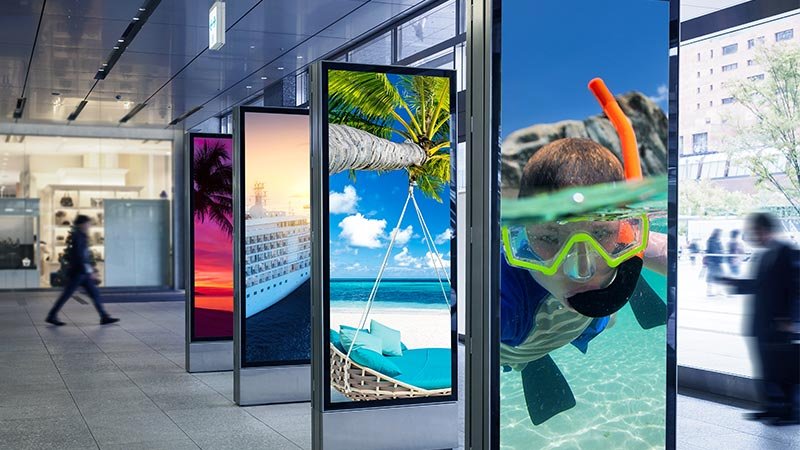
Digital Signage is a dynamic display system that uses electronic screens (LCD, LED, OLED, or projection) to present information, advertisements, announcements, or multimedia content.
Unlike traditional static signs or posters, Digital Signage allows real-time content updates, remote management, and interactive features to engage viewers effectively.
In the realm of Digital signage, Elpro Technologies is recognized as a leading manufacturer, providing cutting-edge solutions that enhance communication and engagement across various sectors. Serving major cities such as Chennai, Bangalore, Hyderabad, and beyond, Elpro Technologies designs digital signage products that are tailored for high visibility and reliability, making them ideal for diverse applications, including retail, healthcare, and corporate environments.
Elpro Technologies specializes in developing digital signage that not only captures attention but also effectively communicates messages to audiences. Their products are engineered to perform in demanding environments, ensuring that businesses can rely on them for consistent performance. With a focus on innovation and user experience, Elpro’s digital signage solutions are perfect for any business looking to enhance its visibility and customer engagement.
Elpro Technologies Bangalore stands as a trusted leader in Industrial PCs, Digital Signage, Touchscreen Kiosks, and advanced display systems. Over the years, the company has built a strong reputation for quality, reliability, and innovation, making it a preferred choice for businesses looking for robust industrial hardware solutions. With a customer-first approach, Elpro Technologies continues to serve clients across a wide spectrum of industries, providing products that deliver consistent performance and long-term value.
Beyond its headquarters in Bangalore, Elpro Technologies has expanded its delivery and support network to cover major cities across India. Whether your business is in Mumbai, Delhi, Chennai, Hyderabad, Pune, Kochi, Kolkata, or emerging industrial hubs, Elpro Technologies ensures timely delivery, installation, and service support. This pan-India presence reflects the company’s commitment to making world-class industrial and digital solutions accessible to enterprises of all sizes and sectors.
Every product offered by Elpro Technologies is designed and manufactured with strict quality standards, ensuring durability and superior performance even in challenging industrial environments. From rugged industrial computers and single-board systems to custom kiosks, vertical digital standees, and floor displays, Elpro Technologies provides a complete range of solutions under one roof. This end-to-end capability allows customers to enjoy seamless integration, easier maintenance, and a single point of contact for all their hardware needs.
Contact : Elpro Technologies
📍 Address: #43, 2nd Cross Road, P&T Colony, Opposite BWSSB Office, R.T. Nagar, Bengaluru – 560032, Karnataka, India
📞 Mobile: +91-8892147021 / +91-8892147023
📧 Email: sales@elprotech.in | info@elprotech.in
🌐 Website: www.elprotech.in
