by super | Oct 18, 2025 | Elpro Technologies, Elpro Technologies Post
Did you know that downtime from equipment failure costs Bengaluru businesses millions each year? I have spent years helping companies in Bengaluru choose the correct industrial enclosure. I have seen firsthand how the right industrial enclosure selection saves significant money and prevents crippling delays.
Selecting an enclosure is far more than finding a metal box to put something in. It is about protecting your investments, ensuring operations run smoothly and preventing problems that could be extremely expensive. You must carefully consider the environment, the equipment it will house and what your specific application requires. I will walk you through the crucial aspects of industrial enclosure selection, so you are equipped to make smart decisions that keep your business running.
Bengaluru’s climate presents unique challenges. The area has both wet and dry seasons, which are particularly hard on electronics. The hot summers, which run from March to May, and the monsoon season, which lasts from June to October, bring heavy rains and humidity that can ruin sensitive equipment if it is not protected properly.
- Temperature Swings: Large swings in temperature can cause malfunctions and cut short the lifespan of electronic components.
- Humidity: High humidity can cause corrosion and short circuits, along with other issues related to moisture.
- Dust and Airborne Particles: Industrial environments often contain dust and debris, which can clog ventilation systems and damage equipment.
- Rainfall: If enclosures are not sealed properly, rainwater can get inside, which can cause water damage and create electrical hazards.
You must consider Bengaluru’s specific environmental challenges when selecting an industrial enclosure. This will guide you toward an enclosure that provides enough protection from temperature swings, humidity, dust and rain. I have seen operations fail because the wrong enclosure was chosen. Do not underestimate how critical this step is.
Now that you understand the environmental challenges, I will go over the key factors in industrial enclosure selection. These factors will help you narrow your choices and find exactly what you need.
Understanding IP Ratings
The IP, or Ingress Protection, rating classifies how well an enclosure protects against solid objects, such as dust, and liquids, like water. The rating consists of two digits. The first indicates protection against solids, and the second indicates protection against liquids.
For example, an enclosure rated IP65 provides complete protection against dust and protection against water jets. Here is a rundown of common IP ratings:
- IP20: Protects against objects larger than 12.5mm, such as fingers. It does not provide any liquid protection.
- IP54: Protects against dust, although some dust can get inside. It also protects against splashing water.
- IP65: Provides complete dust protection, as well as protection against water jets.
- IP66: Provides complete dust protection and protection against powerful water jets.
- IP67: Provides complete dust protection and protection against temporary immersion in water up to 1 meter.
- IP68: Provides complete dust protection and protection against continuous immersion in water. The manufacturer will specify the depth.
For most industrial applications in Bengaluru, I suggest a rating of IP65 or IP66. This will provide sufficient protection from dust and water. You should consider a higher rating if you are in an environment with harsh weather or a great deal of dust. I once consulted at a food processing plant where high pressure water hoses meant they needed an IP69K enclosure.
Material Choices
The enclosure material impacts how durable it is, how well it resists corrosion and how well it can withstand environmental factors. Here are some common materials:
- Steel: Steel is strong and durable, so it works well for demanding applications. It is prone to corrosion, so you must choose a coated steel enclosure, such as one that is powder coated or galvanized.
- Stainless Steel: Stainless steel resists corrosion extremely well, so it is ideal for harsh environments. It is more expensive than regular steel, but it is worth the additional cost in some applications.
- Aluminum: Aluminum is lightweight and resists corrosion. It is also a good heat conductor, which helps with heat dissipation.
- Polycarbonate: Polycarbonate is lightweight, impact resistant and non conductive. It also resists many chemicals, which makes it a versatile choice.
- Fiberglass: Fiberglass is strong, lightweight and corrosion resistant. It is non conductive and can be molded into unusual shapes.
The material you select depends on what your application requires. Stainless steel or fiberglass work well when corrosive chemicals are present. Aluminum or polycarbonate are better if weight is a concern. I once helped a pharmaceutical company select polycarbonate enclosures for a cleanroom because they resist cleaning agents.
Thermal Management
Electronic components generate heat, which can cause malfunctions and cut short the equipment’s lifespan. Thermal management is very important. Here are some options:
- Natural Convection: This uses air movement to dissipate heat. It is suitable for low heat applications where there is enough of a temperature difference.
- Forced Air Cooling: This uses fans to circulate air, which increases heat dissipation. It is better than natural convection for medium heat applications.
- Air Conditioners: Air conditioners extract heat and transfer it to the environment. They are the best choice for high heat applications because they maintain a stable temperature.
- Heat Exchangers: Heat exchangers transfer heat without mixing air. They are ideal for sealed environments.
- Thermoelectric Coolers (TECs): TECs use the Peltier effect for heat transfer. They are compact and efficient for localized cooling and small enclosures.
You must select a thermal management solution based on how much heat is generated and the temperature range you want to maintain. You must accurately calculate the heat load and select a solution that dissipates heat well. One complex telecom installation needed both forced air cooling and a heat exchanger to maintain the equipment’s required temperature range.
Sizing and Mounting
The enclosure must be large enough to hold all the equipment, along with what is needed for ventilation and cable management. You must also consider the mounting method:
- Wall Mounting: This attaches to a wall or vertical surface. It works best when floor space is limited.
- Floor Mounting: This rests on the floor. It is used for large, heavy enclosures that need a stable base.
- Pole Mounting: This attaches to a pole or vertical support. It is often used outdoors.
- Rack Mounting: This installs into standard 19 inch equipment racks. It is a good way to house multiple devices in a small space.
You must consider the equipment’s weight and dimensions, the space available and the mounting options. You must ensure that there is proper support and secure fastening to prevent accidents. I have seen people get seriously hurt because enclosures were not mounted correctly, so you must make safety a priority.
Accessibility and Maintenance
The enclosure should be designed to make maintenance easy. Features such as removable panels, hinged doors and clear labeling can help. You must consider where to place cable entry points and access panels, so maintenance personnel can easily access them.
The enclosure should allow components to be removed and replaced easily with modular designs and standardized mounting hardware. Regular maintenance is very important for reliable operation, so you must choose an enclosure that makes access and maintenance easier. One of my former clients had to disassemble an entire enclosure to replace a fuse. This shows how important user friendly design is.
Elpro Technologies provides industrial enclosure solutions in Bengaluru. They provide:
- Standard Enclosures: A range of sizes, materials and IP ratings for most applications.
- Custom Enclosures: Enclosures that are custom designed and manufactured to meet your specific needs.
- Modified Enclosures: Modification services to add features such as cooling systems, cable entry points and access panels to standard enclosures.
- Accessories: Cable glands, filters and mounting hardware.
The engineers at Elpro can help you select the right industrial enclosure for your application. They also provide installation and maintenance services. The company understands the challenges faced by Bengaluru’s industrial sector and tailors its solutions to meet those needs.
Here are some examples that show how important it is to select the correct enclosure:
- Case Study 1: Protecting a Manufacturing Control System: A plant in Peenya experienced downtime because of dust and moisture. The company was advised to use IP66 rated stainless steel enclosures with forced air cooling. This reduced downtime and improved efficiency.
- Case Study 2: Outdoor Telecom Installation: A telecom company’s outdoor equipment was exposed to harsh weather. The company was advised to use IP67 rated fiberglass enclosures with air conditioners and tamper proof locks.
- Case Study 3: Food Processing Plant: A plant in Yeshwanthpur used enclosures that corroded because of cleaning chemicals. The company was advised to use polycarbonate enclosures designed for food processing environments. This extended the equipment’s lifespan and reduced the risk of contamination.
These case studies highlight how important it is to consider environmental conditions and application requirements when selecting an industrial enclosure. The correct enclosure will protect equipment, minimize downtime and maximize how efficiently it operates.
The industrial enclosure market is constantly changing. Here are some key trends:
- Smart Enclosures: Enclosures with sensors and communication capabilities that monitor conditions, detect problems and send alerts.
- Modular Enclosures: Enclosures that can be reconfigured to adapt to changing needs.
- Sustainable Enclosures: Enclosures manufactured using eco friendly materials.
- Advanced Materials: Materials such as carbon fiber and graphene that make enclosures stronger, lighter and more corrosion resistant.
- 3D Printing: This allows enclosures to be created with complex shapes.
Expect to see more advanced solutions for protecting electronic equipment in industrial environments. Staying informed will allow you to select the best enclosures and ensure reliable operations.
Selecting the right industrial enclosure for your Bengaluru project is very important for reliability, efficiency and safety. You can select an enclosure that meets your needs by considering environmental challenges, IP ratings, material choices, thermal management, sizing, mounting, accessibility and maintenance. You should utilize the expertise of companies like Elpro Technologies for guidance and solutions. Smart industrial enclosure selection will ensure that your industrial infrastructure operates at its best.
I hope you have found this information to be helpful. Please contact me if you have questions or need assistance selecting the right enclosure. I am always happy to help you find the perfect solution!
by super | Oct 18, 2025 | Elpro Technologies, Elpro Technologies Post
Did you know that businesses that implement digital signage experience an average of a 33% increase in brand awareness? In Bengaluru’s competitive market, figuring out how to get the most from your digital signage ROI Bengaluru is not optional; it is essential. I have seen firsthand how strategically placed and well designed digital displays can dramatically improve your company’s performance. Let us explore how to unlock the potential of digital signage and achieve real, measurable gains for your business.
Bengaluru, a center for technology and business, needs state of the art marketing approaches. Typical advertising often fades into the background. I have found that digital signage provides a powerful and attention grabbing alternative. What do you need to ensure a strong digital signage ROI Bengaluru? It involves more than just putting up screens; it requires a smart strategy.
Understanding What ROI Really Means
Digital signage ROI Bengaluru is not only about income. It includes greater brand recognition, better customer interaction and smoother operations. I have seen digital menu boards in coffee shops cut down on waiting times and interactive displays in stores increase sales. These examples show how digital signage can produce significant results.
Measuring the Numbers
To accurately assess your digital signage ROI Bengaluru, set specific, quantifiable targets. Do you want to draw in more people, highlight particular items or improve your brand image? I advise tracking essential data such as impressions, viewing duration and sales conversions to judge the effectiveness of your digital signage efforts.
I want to share some real world results with you:
- Retail Success: I saw a clothing retailer on Commercial Street put up a big outdoor digital display showing product pictures and customer feedback. What happened? They saw a 20% jump in foot traffic and a 15% increase in sales within a month.
- Coffee Shop Efficiency: A coffee shop chain in Indiranagar put in digital menu boards. From what I saw, it led to a 10% rise in average order value and a 15% drop in wait times.
- Corporate Communication: I know an IT company in Electronic City that used digital displays to make internal communication better, leading to a 25% improvement in employee engagement.
Strategies I Use to Maximize Digital Signage ROI in Bengaluru
To optimize your digital signage ROI Bengaluru, I suggest you consider these strategies:
- Set Specific Goals: What do you want to achieve with your digital signage? More sales? Better brand recognition? Improved customer satisfaction?
- Know Your Customer: Adjust your content to connect with your desired audience. What messages and images will grab their attention?
- Make Great Content: Spend money on high quality images and compelling messages that motivate action.
- Place Strategically: Put your digital displays in busy spots where they will get the most views.
- Update in Real Time: Keep your content current and interesting by adding real time information such as weather, news and social media updates.
- Add Interaction: Use touchscreens, QR codes and social media to encourage customer participation.
- Track Performance: Watch your digital signage performance using analytics to monitor important data and measure your ROI.
- Improve Constantly: Fine tune your plan based on performance data to improve your results.
At Elpro Technologies, I have developed complete digital signage solutions to help Bengaluru businesses reach their objectives. Our skills include:
- Custom Solutions: We change our solutions to fit your particular requirements and goals.
- Expert Team: Our designers, content creators and technical experts are enthusiastic about digital signage.
- Ongoing Support: We offer continuous support to keep your digital signage system working well.
What the Future Holds for Digital Signage in Bengaluru
I think the future for digital signage in Bengaluru looks promising, with new trends like:
- Artificial Intelligence (AI): AI drives content personalization and predictive analytics.
- Augmented Reality (AR): AR creates immersive experiences by mixing digital content with the real world.
- Internet of Things (IoT): IoT allows real time data collection and improvement through connected devices.
- Interactive Displays: Interactive displays improve customer interaction through touchscreens and gesture recognition.
- Mobile Integration: Mobile integration provides easy connection with mobile devices for personalized experiences.
Content Ideas for Different Businesses
- Restaurants: I suggest menu updates, daily specials, customer reviews and promotional videos.
- Retail Stores: I would promote new product announcements, sales promotions, style guides and interactive product demos.
- Hotels: I would share local attractions, event schedules, weather updates and transport options.
- Corporate Offices: I would distribute company news, employee recognition, internal announcements and training videos.
- Healthcare Facilities: I would disseminate health tips, appointment reminders, patient stories and doctor profiles.
Addressing Problems
Digital signage offers many benefits, but I believe it is important to deal with possible problems:
- Content Creation Prices: Balance internal resources with outside agencies to control prices.
- Technical Problems: Pick a dependable vendor with continuous support.
- Audience Participation: Keep content new and try different formats.
- Measurement: Track essential data to measure ROI.
- Rules: Make certain you follow all the rules.
How to Begin with Digital Signage in Bengaluru
- Assess What You Need: Define what you want to achieve, who you want to reach and how much you can spend.
- Examine Your Choices: Learn about different digital signage solutions.
- Create a Plan: Develop a content and measurement strategy.
- Select a Partner: Choose a dependable partner with digital signage skills.
- Put Your Solution in Place: Install your displays and start your content.
- Watch and Improve: Track your results and make changes as needed.
To conclude, I believe increasing digital signage ROI Bengaluru is important for businesses wanting to succeed in the current competitive market. I have found that by using a smart plan and working with the correct experts, you can unlock the potential of digital signage and achieve your business aims.
by super | Oct 18, 2025 | Elpro Technologies, Elpro Technologies Post
Did you know that downtime from equipment failure costs Bengaluru businesses millions each year? I have spent years helping companies in Bengaluru choose the correct industrial enclosure. I have seen firsthand how the right industrial enclosure selection saves significant money and prevents crippling delays.
Selecting an enclosure is far more than finding a metal box to put something in. It is about protecting your investments, ensuring operations run smoothly and preventing problems that could be extremely expensive. You must carefully consider the environment, the equipment it will house and what your specific application requires. I will walk you through the crucial aspects of industrial enclosure selection, so you are equipped to make smart decisions that keep your business running.
Bengaluru’s climate presents unique challenges. The area has both wet and dry seasons, which are particularly hard on electronics. The hot summers, which run from March to May, and the monsoon season, which lasts from June to October, bring heavy rains and humidity that can ruin sensitive equipment if it is not protected properly.
- Temperature Swings: Large swings in temperature can cause malfunctions and cut short the lifespan of electronic components.
- Humidity: High humidity can cause corrosion and short circuits, along with other issues related to moisture.
- Dust and Airborne Particles: Industrial environments often contain dust and debris, which can clog ventilation systems and damage equipment.
- Rainfall: If enclosures are not sealed properly, rainwater can get inside, which can cause water damage and create electrical hazards.
You must consider Bengaluru’s specific environmental challenges when selecting an industrial enclosure. This will guide you toward an enclosure that provides enough protection from temperature swings, humidity, dust and rain. I have seen operations fail because the wrong enclosure was chosen. Do not underestimate how critical this step is.
Now that you understand the environmental challenges, I will go over the key factors in industrial enclosure selection. These factors will help you narrow your choices and find exactly what you need.
Understanding IP Ratings
The IP, or Ingress Protection, rating classifies how well an enclosure protects against solid objects, such as dust, and liquids, like water. The rating consists of two digits. The first indicates protection against solids, and the second indicates protection against liquids.
For example, an enclosure rated IP65 provides complete protection against dust and protection against water jets. Here is a rundown of common IP ratings:
- IP20: Protects against objects larger than 12.5mm, such as fingers. It does not provide any liquid protection.
- IP54: Protects against dust, although some dust can get inside. It also protects against splashing water.
- IP65: Provides complete dust protection, as well as protection against water jets.
- IP66: Provides complete dust protection and protection against powerful water jets.
- IP67: Provides complete dust protection and protection against temporary immersion in water up to 1 meter.
- IP68: Provides complete dust protection and protection against continuous immersion in water. The manufacturer will specify the depth.
For most industrial applications in Bengaluru, I suggest a rating of IP65 or IP66. This will provide sufficient protection from dust and water. You should consider a higher rating if you are in an environment with harsh weather or a great deal of dust. I once consulted at a food processing plant where high pressure water hoses meant they needed an IP69K enclosure.
Material Choices
The enclosure material impacts how durable it is, how well it resists corrosion and how well it can withstand environmental factors. Here are some common materials:
- Steel: Steel is strong and durable, so it works well for demanding applications. It is prone to corrosion, so you must choose a coated steel enclosure, such as one that is powder coated or galvanized.
- Stainless Steel: Stainless steel resists corrosion extremely well, so it is ideal for harsh environments. It is more expensive than regular steel, but it is worth the additional cost in some applications.
- Aluminum: Aluminum is lightweight and resists corrosion. It is also a good heat conductor, which helps with heat dissipation.
- Polycarbonate: Polycarbonate is lightweight, impact resistant and non conductive. It also resists many chemicals, which makes it a versatile choice.
- Fiberglass: Fiberglass is strong, lightweight and corrosion resistant. It is non conductive and can be molded into unusual shapes.
The material you select depends on what your application requires. Stainless steel or fiberglass work well when corrosive chemicals are present. Aluminum or polycarbonate are better if weight is a concern. I once helped a pharmaceutical company select polycarbonate enclosures for a cleanroom because they resist cleaning agents.
Thermal Management
Electronic components generate heat, which can cause malfunctions and cut short the equipment’s lifespan. Thermal management is very important. Here are some options:
- Natural Convection: This uses air movement to dissipate heat. It is suitable for low heat applications where there is enough of a temperature difference.
- Forced Air Cooling: This uses fans to circulate air, which increases heat dissipation. It is better than natural convection for medium heat applications.
- Air Conditioners: Air conditioners extract heat and transfer it to the environment. They are the best choice for high heat applications because they maintain a stable temperature.
- Heat Exchangers: Heat exchangers transfer heat without mixing air. They are ideal for sealed environments.
- Thermoelectric Coolers (TECs): TECs use the Peltier effect for heat transfer. They are compact and efficient for localized cooling and small enclosures.
You must select a thermal management solution based on how much heat is generated and the temperature range you want to maintain. You must accurately calculate the heat load and select a solution that dissipates heat well. One complex telecom installation needed both forced air cooling and a heat exchanger to maintain the equipment’s required temperature range.
Sizing and Mounting
The enclosure must be large enough to hold all the equipment, along with what is needed for ventilation and cable management. You must also consider the mounting method:
- Wall Mounting: This attaches to a wall or vertical surface. It works best when floor space is limited.
- Floor Mounting: This rests on the floor. It is used for large, heavy enclosures that need a stable base.
- Pole Mounting: This attaches to a pole or vertical support. It is often used outdoors.
- Rack Mounting: This installs into standard 19 inch equipment racks. It is a good way to house multiple devices in a small space.
You must consider the equipment’s weight and dimensions, the space available and the mounting options. You must ensure that there is proper support and secure fastening to prevent accidents. I have seen people get seriously hurt because enclosures were not mounted correctly, so you must make safety a priority.
Accessibility and Maintenance
The enclosure should be designed to make maintenance easy. Features such as removable panels, hinged doors and clear labeling can help. You must consider where to place cable entry points and access panels, so maintenance personnel can easily access them.
The enclosure should allow components to be removed and replaced easily with modular designs and standardized mounting hardware. Regular maintenance is very important for reliable operation, so you must choose an enclosure that makes access and maintenance easier. One of my former clients had to disassemble an entire enclosure to replace a fuse. This shows how important user friendly design is.
Elpro Technologies provides industrial enclosure solutions in Bengaluru. They provide:
- Standard Enclosures: A range of sizes, materials and IP ratings for most applications.
- Custom Enclosures: Enclosures that are custom designed and manufactured to meet your specific needs.
- Modified Enclosures: Modification services to add features such as cooling systems, cable entry points and access panels to standard enclosures.
- Accessories: Cable glands, filters and mounting hardware.
The engineers at Elpro can help you select the right industrial enclosure for your application. They also provide installation and maintenance services. The company understands the challenges faced by Bengaluru’s industrial sector and tailors its solutions to meet those needs.
Here are some examples that show how important it is to select the correct enclosure:
- Case Study 1: Protecting a Manufacturing Control System: A plant in Peenya experienced downtime because of dust and moisture. The company was advised to use IP66 rated stainless steel enclosures with forced air cooling. This reduced downtime and improved efficiency.
- Case Study 2: Outdoor Telecom Installation: A telecom company’s outdoor equipment was exposed to harsh weather. The company was advised to use IP67 rated fiberglass enclosures with air conditioners and tamper proof locks.
- Case Study 3: Food Processing Plant: A plant in Yeshwanthpur used enclosures that corroded because of cleaning chemicals. The company was advised to use polycarbonate enclosures designed for food processing environments. This extended the equipment’s lifespan and reduced the risk of contamination.
These case studies highlight how important it is to consider environmental conditions and application requirements when selecting an industrial enclosure. The correct enclosure will protect equipment, minimize downtime and maximize how efficiently it operates.
The industrial enclosure market is constantly changing. Here are some key trends:
- Smart Enclosures: Enclosures with sensors and communication capabilities that monitor conditions, detect problems and send alerts.
- Modular Enclosures: Enclosures that can be reconfigured to adapt to changing needs.
- Sustainable Enclosures: Enclosures manufactured using eco friendly materials.
- Advanced Materials: Materials such as carbon fiber and graphene that make enclosures stronger, lighter and more corrosion resistant.
- 3D Printing: This allows enclosures to be created with complex shapes.
Expect to see more advanced solutions for protecting electronic equipment in industrial environments. Staying informed will allow you to select the best enclosures and ensure reliable operations.
Selecting the right industrial enclosure for your Bengaluru project is very important for reliability, efficiency and safety. You can select an enclosure that meets your needs by considering environmental challenges, IP ratings, material choices, thermal management, sizing, mounting, accessibility and maintenance. You should utilize the expertise of companies like Elpro Technologies for guidance and solutions. Smart industrial enclosure selection will ensure that your industrial infrastructure operates at its best.
I hope you have found this information to be helpful. Please contact me if you have questions or need assistance selecting the right enclosure. I am always happy to help you find the perfect solution!
by super | Oct 18, 2025 | Elpro Technologies, Elpro Technologies Post
Did you know that businesses that implement digital signage experience an average of a 33% increase in brand awareness? In Bengaluru’s competitive market, figuring out how to get the most from your digital signage ROI Bengaluru is not optional; it is essential. I have seen firsthand how strategically placed and well designed digital displays can dramatically improve your company’s performance. Let us explore how to unlock the potential of digital signage and achieve real, measurable gains for your business.
Bengaluru, a center for technology and business, needs state of the art marketing approaches. Typical advertising often fades into the background. I have found that digital signage provides a powerful and attention grabbing alternative. What do you need to ensure a strong digital signage ROI Bengaluru? It involves more than just putting up screens; it requires a smart strategy.
Understanding What ROI Really Means
Digital signage ROI Bengaluru is not only about income. It includes greater brand recognition, better customer interaction and smoother operations. I have seen digital menu boards in coffee shops cut down on waiting times and interactive displays in stores increase sales. These examples show how digital signage can produce significant results.
Measuring the Numbers
To accurately assess your digital signage ROI Bengaluru, set specific, quantifiable targets. Do you want to draw in more people, highlight particular items or improve your brand image? I advise tracking essential data such as impressions, viewing duration and sales conversions to judge the effectiveness of your digital signage efforts.
I want to share some real world results with you:
- Retail Success: I saw a clothing retailer on Commercial Street put up a big outdoor digital display showing product pictures and customer feedback. What happened? They saw a 20% jump in foot traffic and a 15% increase in sales within a month.
- Coffee Shop Efficiency: A coffee shop chain in Indiranagar put in digital menu boards. From what I saw, it led to a 10% rise in average order value and a 15% drop in wait times.
- Corporate Communication: I know an IT company in Electronic City that used digital displays to make internal communication better, leading to a 25% improvement in employee engagement.
Strategies I Use to Maximize Digital Signage ROI in Bengaluru
To optimize your digital signage ROI Bengaluru, I suggest you consider these strategies:
- Set Specific Goals: What do you want to achieve with your digital signage? More sales? Better brand recognition? Improved customer satisfaction?
- Know Your Customer: Adjust your content to connect with your desired audience. What messages and images will grab their attention?
- Make Great Content: Spend money on high quality images and compelling messages that motivate action.
- Place Strategically: Put your digital displays in busy spots where they will get the most views.
- Update in Real Time: Keep your content current and interesting by adding real time information such as weather, news and social media updates.
- Add Interaction: Use touchscreens, QR codes and social media to encourage customer participation.
- Track Performance: Watch your digital signage performance using analytics to monitor important data and measure your ROI.
- Improve Constantly: Fine tune your plan based on performance data to improve your results.
At Elpro Technologies, I have developed complete digital signage solutions to help Bengaluru businesses reach their objectives. Our skills include:
- Custom Solutions: We change our solutions to fit your particular requirements and goals.
- Expert Team: Our designers, content creators and technical experts are enthusiastic about digital signage.
- Ongoing Support: We offer continuous support to keep your digital signage system working well.
What the Future Holds for Digital Signage in Bengaluru
I think the future for digital signage in Bengaluru looks promising, with new trends like:
- Artificial Intelligence (AI): AI drives content personalization and predictive analytics.
- Augmented Reality (AR): AR creates immersive experiences by mixing digital content with the real world.
- Internet of Things (IoT): IoT allows real time data collection and improvement through connected devices.
- Interactive Displays: Interactive displays improve customer interaction through touchscreens and gesture recognition.
- Mobile Integration: Mobile integration provides easy connection with mobile devices for personalized experiences.
Content Ideas for Different Businesses
- Restaurants: I suggest menu updates, daily specials, customer reviews and promotional videos.
- Retail Stores: I would promote new product announcements, sales promotions, style guides and interactive product demos.
- Hotels: I would share local attractions, event schedules, weather updates and transport options.
- Corporate Offices: I would distribute company news, employee recognition, internal announcements and training videos.
- Healthcare Facilities: I would disseminate health tips, appointment reminders, patient stories and doctor profiles.
Addressing Problems
Digital signage offers many benefits, but I believe it is important to deal with possible problems:
- Content Creation Prices: Balance internal resources with outside agencies to control prices.
- Technical Problems: Pick a dependable vendor with continuous support.
- Audience Participation: Keep content new and try different formats.
- Measurement: Track essential data to measure ROI.
- Rules: Make certain you follow all the rules.
How to Begin with Digital Signage in Bengaluru
- Assess What You Need: Define what you want to achieve, who you want to reach and how much you can spend.
- Examine Your Choices: Learn about different digital signage solutions.
- Create a Plan: Develop a content and measurement strategy.
- Select a Partner: Choose a dependable partner with digital signage skills.
- Put Your Solution in Place: Install your displays and start your content.
- Watch and Improve: Track your results and make changes as needed.
To conclude, I believe increasing digital signage ROI Bengaluru is important for businesses wanting to succeed in the current competitive market. I have found that by using a smart plan and working with the correct experts, you can unlock the potential of digital signage and achieve your business aims.
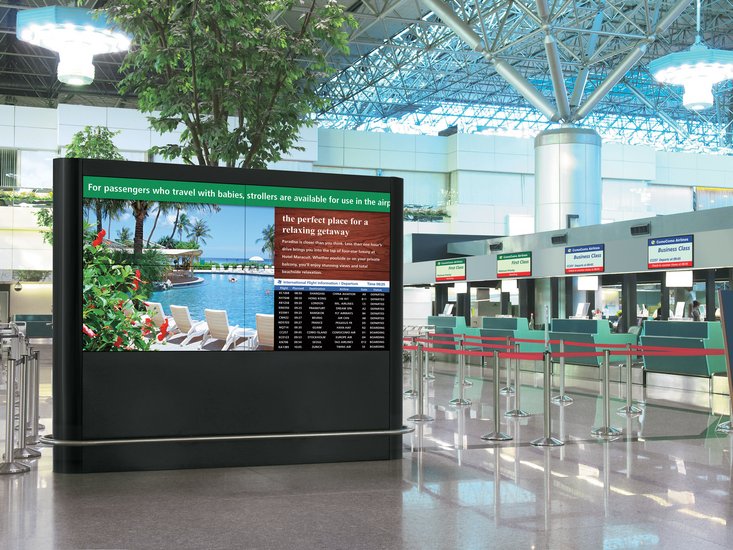
by super | Oct 18, 2025 | Elpro Technologies, Elpro Technologies Post
Downtime is a business killer. Imagine this: an industrial PC grinds to a halt and your Bengaluru operation bleeds over $260,000 every single hour. That is not a hypothetical scenario. That is the sharp reality faced by many businesses operating here. As someone at Elpro Technologies immersed in this world, I get these high stakes. My team and I specialize in crafting industrial PC solutions precisely tuned for Bengaluru’s unique challenges. One persistent question from clients is this: what is better, fanless vs standard industrial PC options? This choice has far reaching consequences for the system’s stability, its lifespan and its overall performance in this demanding environment.
Before we get into the specifics of fanless vs standard industrial PC solutions, we must address the biggest issue: Bengaluru’s brutal environment. The city throws a trifecta of intense heat, high humidity and erratic power at industrial PCs, threatening their performance and shortening their lives. Traditional industrial PCs try to manage this with fans, but those fans suck in dust. This leads to clogs, overheating and total system failure. Fanless industrial PCs provide a more dependable answer. They use passive cooling like heat sinks to dissipate heat without pulling in performance-killing dust.
I have seen the disastrous results of poor heat management on industrial PCs operating in Bengaluru. I recall a manufacturing client. They suffered constant system crashes and lost data thanks to chronic overheating. Their standard industrial PCs, choked with dust, could barely function. After they switched to my fanless industrial PC solutions, their system stability skyrocketed and downtime vanished.
Fanless industrial PCs give clear advantages over standard PCs, especially in tough environments like Bengaluru. Let us examine the key benefits:
- Better Reliability: Fewer moving parts translate to fewer mechanical breakdowns and excellent long term reliability.
- Dust and Debris Protection: No fans means no dust sucked inside, which prevents overheating and protects delicate components.
- Silent Operation: Fanless industrial PCs operate quietly. This makes them perfect for noise sensitive environments.
- Lower Energy Consumption: Fanless designs use less energy than systems with active cooling. This lowers operating costs.
At Elpro Technologies, we engineer our fanless industrial PCs with advanced heat management, including large heat sinks. These ensure efficient heat dissipation even when temperatures soar. We also use premium components that withstand intense heat and humidity.
The Science of No Fans
A fanless industrial PC’s success relies on how well it moves heat away from its components. We achieve this through:
- Heat Sinks: These metal components have large surface areas. We attach them directly to heat generating components like the CPU and GPU. They absorb heat and dissipate it into the air.
- Heat Pipes: These sealed tubes contain fluid that vaporizes at low temperatures. This transports heat to a cooler area where it condenses back into liquid, releasing heat. This creates continuous cooling.
- Thermal Interface Material (TIM): This paste fills tiny gaps between the heat source and the heat sink. This improves heat transfer.
I carefully optimize my fanless industrial PCs to get maximum cooling. I select the right materials and rigorously test each system to ensure top performance under pressure.
Standard industrial PCs use fans to circulate air and exhaust heat. This approach can work, but comes with problems:
- Dust Buildup: Fans suck in airborne particles. These can block airflow and reduce cooling.
- Mechanical Failure: Fans have moving parts that can seize. This leads to system crashes.
- Noise: Fans generate noise that can disrupt quiet environments.
- More Power Needed: Fans consume power. This increases the system’s energy consumption.
Standard industrial PCs can still work in specific situations. This is particularly true where extreme reliability is not essential and the environment is carefully controlled. An example is a pristine, climate controlled factory where dust is minimal and fan failures are unlikely. In these cases, a standard PC might suffice and save money. However, in a city like Bengaluru, which has fluctuating temperatures and ubiquitous dust, fanless technology generally wins.
Maintenance for Standard Industrial PCs in Bengaluru
If you operate standard industrial PCs in Bengaluru, you must commit to regular maintenance. Practices include:
- Regular Cleaning: Frequently clean the fan and internal components to eliminate dust.
- Air Filter Management: Install and replace air filters to prevent dust.
- Temperature Monitoring: Monitor CPU and GPU temperatures to ensure the cooling system works.
- Proactive Fan Replacement: Replace fans at the first sign of trouble to prevent overheating.
I offer maintenance plans for standard industrial PCs in Bengaluru. These include cleaning, filter replacement and fan replacement to keep systems running.
To directly compare fanless and standard industrial PCs in Bengaluru’s difficult conditions, I ran performance tests. These simulated real world scenarios faced by my clients, including:
- Full CPU Load: Tasks needing significant processing power, like data analysis.
- GPU Stress Tests: Rendering complex graphics.
- Bengaluru Summer Simulation: Replicating Bengaluru’s peak summer temperatures.
- Dust Exposure: Subjecting the PCs to high dust.
I tracked CPU temperature, GPU temperature, system stability and processing speed. The data clearly showed that fanless industrial PCs are superior in harsh environments.
Test Results
The fanless industrial PCs consistently ran cooler than the standard industrial PCs during demanding CPU and GPU load tests. The standard industrial PCs, especially those with clogged fans, experienced thermal throttling. This reduced processing speed and performance. The fanless industrial PCs maintained performance even under stress.
Dust severely hurt the performance of standard industrial PCs. Cooling efficiency dropped as dust built up on the fans, leading to temperature spikes and performance loss. The fanless industrial PCs were unaffected.
At Elpro Technologies, I offer a range of fanless industrial PC solutions. These solutions are designed to overcome the challenges faced by my Bengaluru customers. My fanless industrial PCs use premium components, advanced heat management and a wide array of I/O options to ensure they integrate with industrial applications. Choices include:
- The Elpro-F2000 Series: A compact fanless industrial PC for general industrial tasks.
- The Elpro-F3000 Series: A high performance fanless industrial PC for demanding applications like machine vision.
- The Elpro-F4000 Series: A rugged fanless industrial PC designed for harsh environments like outdoor kiosks.
I also create customized fanless industrial PC solutions tailored to your needs. My engineers will design a fanless industrial PC that meets all requirements.
Case Study: How Fanless Industrial PCs Saved a Bengaluru Plant
A large manufacturing facility in Bengaluru suffered financial losses because of system failures and data loss from industrial PC overheating. The plant had intense heat, humidity and dust. The client’s fan cooled industrial PCs constantly became clogged with dust. This compromised cooling and led to system instability.
I recommended my Elpro-F3000 Series fanless industrial PCs, designed to thrive in demanding applications. These systems feature advanced heat management with a large heat sink and a sealed case to prevent dust.
The results astounded. System stability improved dramatically, and downtime vanished. The fanless industrial PCs handled heavy workloads, maintained stable temperatures and resisted dust. The client also reported a significant reduction in noise because fanless industrial PCs operate silently.
This success shows how Elpro Technologies’ fanless industrial PC solutions can improve the reliability and performance of industrial computing systems for my Bengaluru clients.
Thermal management is vital for ensuring the reliability and longevity of industrial PCs, especially in Bengaluru. Overheating causes problems, including:
- Reduced Performance: High temperatures can throttle the CPU and GPU, reducing processing speed.
- System Failures: Overheating can cause system crashes and data corruption.
- Component Damage: Prolonged exposure to high temperatures can damage internal components, shortening the lifespan of the industrial PC.
- Increased Downtime: System failures due to overheating can cause downtime and lost productivity.
By investing in thermal management like fanless cooling, you can reduce these risks and ensure your industrial PCs operate reliably.
The decision between fanless and standard industrial PCs depends on your application and its environment. If your application demands high reliability and will face heat, humidity and dust, fanless is the better choice. Fanless industrial PCs provide better reliability, dust protection, silent operation and lower energy consumption.
If budget is the main concern and your application does not need maximum reliability and will operate in a controlled environment, a standard industrial PC might work. Standard industrial PCs have lower upfront costs and can provide performance in some cases. Diligent maintenance is essential to prevent dust and fan problems.
For guidance, work with an industrial computing specialist like Elpro Technologies. I can assess your needs and recommend a solution.
Elpro Technologies provides industrial computing solutions in Bengaluru, India. I design, build and deploy industrial PCs for various applications. I understand the environmental challenges in Bengaluru and offer fanless and standard industrial PC solutions tailored to my clients’ requirements.
I am dedicated to providing products and services. My industrial PCs use high quality components, advanced heat management and a wide range of I/O options to ensure compatibility with industrial applications. I have a maintenance team ready to keep your systems running.
I create custom solutions that perfectly align with each client’s needs. I work with you to develop solutions that meet your specifications. Whether you need an industrial PC for a data center or a rugged fanless system for an outdoor environment, I can provide a solution.
I believe my success depends on my clients’ success. Therefore, I am committed to building partnerships and providing support. Consider me an ally.
The choice between fanless vs standard industrial PC options in Bengaluru affects the reliability, performance and lifespan of your industrial computing infrastructure. Standard PCs can work in limited cases, fanless PCs provide advantages in Bengaluru’s climate. By considering the heat issues, performance and maintenance, you can make a decision and select the right solution. Elpro Technologies can provide the expertise and solutions you need to succeed in Bengaluru. Contact me to discuss your industrial computing needs and discover how my fanless and standard industrial PC solutions can drive your success.
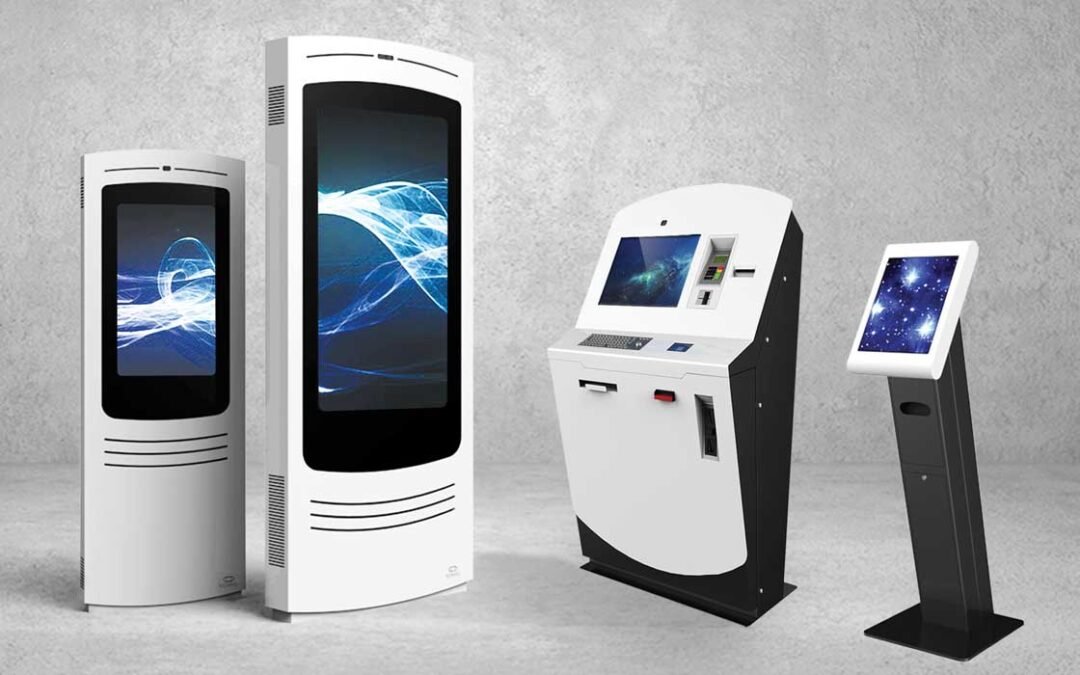
by super | Oct 18, 2025 | Elpro Technologies, Elpro Technologies Post
Did you know businesses in Bengaluru see, on average, a 15 to 20% jump in sales when they put smart digital signage to work? From what I have seen at Elpro Technologies, the right display in the right spot makes a huge difference. Picking the right digital signage display selection is key. Get it wrong, and you waste money and weaken your brand. I am going to share some advice based on my experience helping Bengaluru businesses sort through the maze of display options.
Laying the Groundwork: Knowing What You Need
Do not rush into looking at technical specs. First, get clear on what you want to achieve. I usually begin by asking my clients some very important questions:
- What is the main point of your display? Is it to sell stuff, give information or get customers involved?
- Where will it go? Inside or outside? Where lots of people pass by, or a quiet corner?
- Who are you trying to reach? People walking by, shoppers or your own staff?
- What will you show on it? Photos, videos or things people can interact with?
- What is your budget? Knowing this helps narrow down the best choices for your digital signage display selection.
The answers tell you what kind of display you need. A store trying to pull in shoppers with bright ads needs something different than an office keeping employees up to date.
LCD Versus LED: What is the Difference?
Two types of displays rule the digital signage world: LCD (Liquid Crystal Display) and LED (Light Emitting Diode). They each have strong and weak points, which make them better for different uses.
LCD Displays: Flexible and Easy on the Wallet
LCDs are known for being adaptable, showing consistent image quality and costing less. Many choose them for indoor spaces where super high brightness is not needed. I have set up many LCDs around Bengaluru, and they are dependable.
- Pros:
- Images are sharp and colors are true
- Good viewing from different angles (depends on the panel)
- Cheaper than LED
- Good for indoor use
- Cons:
- Not as bright as LEDs, not great in direct sun
- Can be hard to see in very bright rooms
- Uses more power than LEDs
When you look at an LCD, pay attention to the panel type (IPS, VA or TN). This makes a big difference in how colors look and how well you can see the screen from the side. IPS panels usually give you the best viewing angles and most accurate colors.
LED Displays: Bright and Powerful
LEDs stand out because they are super bright. This makes them perfect for using outdoors and in places with lots of light. They also save energy and last a long time. I have seen LED displays completely change how stores and public areas look, making a big impact.
- Pros:
- Very bright, easy to see even when the sun is shining
- Saves energy
- Lasts a long time
- Tough and can handle weather (if you get the outdoor kind)
- Cons:
- Costs more to start than LCDs
- Can be too bright for indoors if you do not set them up right
- Up close, images might not look as smooth as on an LCD
LED displays come with different pixel pitches (how close the LEDs are to each other). The smaller the pixel pitch, the sharper the image, but the more it will cost.
More Than Just Tech: Other Things to Think About
Besides the type of technology, remember these important points when picking the right digital signage display:
Brightness and Contrast
Brightness, measured in nits, decides how well you can see the display in different light. Outdoor displays need to be much brighter (at least 2500 nits) than indoor ones (usually 300 to 500 nits). Contrast ratio, which is the difference between the brightest white and darkest black, affects how lively the image looks. I often visit sites to check the light levels and suggest the right brightness.
Resolution
Resolution is how many pixels are on the screen, which tells you how sharp the image is. Higher resolution displays (like 4K) show more details. How much resolution you need depends on how far away people will be watching. A big outdoor display seen from far away does not need 4K, but a small indoor screen seen up close does.
Viewing Angles
Viewing angles matter, especially if people will look at the display from different spots. LCDs and LEDs act differently when it comes to viewing angles. IPS LCD panels usually offer the widest viewing angles. I remember one client who picked a display with bad viewing angles, so many people could not see it well. Knowing your space is key.
Toughness and Weather Protection
If the display is going outside, it needs to be tough and able to handle weather. Look for displays with an IP rating, which tells you how well they resist dust and water. Also, think about the temperature range it can handle, especially with Bengaluru weather. I have noticed big differences in how well different displays hold up in the weather.
Connections and Content Management
Make sure the display can connect to your content source (HDMI, DisplayPort or USB). Think about getting a display with built in content management software (CMS) to make scheduling and updates easy. I often suggest cloud based CMS solutions for managing displays from afar.
Lifespan and Upkeep
How long the display lasts affects how much it costs in the long run. LEDs usually last longer than LCDs. Also, consider the costs of upkeep, like cleaning and repairs. I offer contracts for upkeep to keep my clients’ displays running well for a long time.
Elpro Technologies: Your Bengaluru Partner
Choosing the right digital signage display selection can feel overwhelming. That is where Elpro Technologies comes in. I have years of experience helping Bengaluru businesses. I offer complete services:
- Needs Assessment: I figure out what you want to achieve, who you are trying to reach and what your budget is.
- Site Survey: I check out your location to suggest the best display specs.
- Product Selection: I guide you through my range of LCD displays and LED displays.
- Professional Installation: I make sure the setup is smooth and reliable.
- Content Creation: I develop interesting content to grab attention.
- Ongoing Maintenance and Support: I provide regular upkeep and support.
I care most about making customers happy and providing custom solutions. Many clients have stayed with me for years because they value my knowledge and commitment.
Bengaluru Success Stories
These stories show why careful digital signage display selection matters. Here are some successful projects in Bengaluru:
- Retail Store (Indiranagar): Got more people in the door and boosted sales by using a bright LED display to show off new clothes.
- Corporate Office (Electronic City): Made employees happier and more engaged by installing LCDs to show company news and recognize staff.
- Restaurant (Koramangala): Improved the customer experience and increased sales with a touch screen display for browsing the menu and placing orders.
These examples prove how the right display can greatly help you reach your business targets.
What is Next in Digital Signage?
Digital signage never stops changing. I am watching these new trends closely:
- Interactive Displays: More touch screens are being used to get the audience involved.
- AI Powered Content: Artificial intelligence is being used to customize content based on who is watching.
- OLED Displays: OLED technology is coming up, offering amazing picture quality, but costs more.
- Sustainability: More focus is being put on displays that save energy.
I am dedicated to staying ahead of these changes and giving my Bengaluru clients the newest solutions.
Wrapping Up: Making the Smart Choice
Picking the right digital signage for your Bengaluru business means carefully thinking about what you need, what you can spend and the environment where it will go. Elpro Technologies is here to walk you through the options and help you make the best choice. I offer custom solutions, from flexible LCD displays to vibrant LED displays. Work with me to make sure your digital signage investment makes the biggest impact.
Elpro Technologies loves serving the Bengaluru community. Reach out to me today to find out more about my digital signage display selection services.


