by super | Nov 4, 2025 | Elpro Technologies, Elpro Technologies Post
Every 39 seconds, another cyberattack hits. That statistic should make any business owner in India sit up and pay attention, especially if they are using Industrial Small PCs (ISPCs). These compact computers are changing how industries operate across the nation, boosting productivity and automating critical tasks in manufacturing, energy, transportation and healthcare. I have seen firsthand how these devices are becoming essential. Yet, this reliance creates a serious problem: keeping them safe from cyberattacks. When ISPCs connect to networks, they become easy targets for malicious actors. This can lead to operations grinding to a halt, data being stolen and significant financial hits. For Indian companies aiming for long term success, focusing on effective Industrial Small PC Cybersecurity India is not something to consider later. It is a necessity now.
The Cybersecurity Scene for ISPCs
ISPCs come with their own set of cybersecurity challenges, different from what you would see with regular desktop computers. They often operate in tough environments, rely on specific operating systems and software and connect to important infrastructure. Because of this, they need a security approach built just for them.
ISPC Vulnerabilities
Here is what makes ISPCs attractive targets for cyberattacks:
1. Limited Resources
ISPCs are built to be efficient and small. This means they often do not have a lot of processing power or memory. It can be hard to run comprehensive security solutions on them, like advanced antivirus software or complete intrusion detection systems. I have seen standard security suites slow down ISPCs significantly, impacting their main functions.
2. Older Systems and Software
Many industrial sites still use older systems and software that were not designed with cybersecurity as a priority. Upgrading these systems can be complicated and cause disruptions, creating vulnerabilities that can be exploited. I once worked with an industrial control system running on an extremely outdated operating system with well known security flaws. It was an easy target for attackers.
3. Specialized Tech
ISPCs often use specialized hardware and software made for specific industrial tasks. Finding compatible security tools can be difficult. I have had to create custom security solutions for some ISPC setups because there were no commercial options available.
4. Environmental Factors
ISPCs frequently operate in tough settings like factories, power plants and transportation hubs. They are exposed to extreme temperatures, humidity and electromagnetic interference. These conditions can damage the devices and make them more vulnerable to cyberattacks. I remember an incident where an ISPC in a dusty factory had a hardware failure, accidentally creating a backdoor for unauthorized access.
5. Lack of Security Awareness
If employees in industrial settings do not understand security best practices, it can lead to accidental security breaches. This could be from clicking on phishing links or using weak passwords. I have held training sessions to emphasize the importance of PC Security India and the possible results of careless actions.
Cybersecurity Recommendations for ISPCs in India
To protect ISPCs from cyberthreats, businesses should have a complete cybersecurity plan that addresses the unique challenges these devices present. Here are some key recommendations:
1. Risk Assessment and Vulnerability Management
Start with a complete risk assessment to find potential weaknesses and prioritize security measures. This assessment should cover everything in your ISPC environment, including hardware, software, network infrastructure and how you operate. I suggest using established frameworks like the NIST Cybersecurity Framework as a guide.
Vulnerability management means regularly scanning your ISPC network for known vulnerabilities and quickly applying patches. Use automated vulnerability scanning tools and manual security audits. I have consistently observed that proactive vulnerability management greatly reduces the attack surface of ISPC networks.
2. Network Segmentation and Access Control
Network segmentation means dividing your ISPC network into smaller, separate parts. This limits the damage from a security breach. This can be done using firewalls, virtual LANs and other network security technologies. I advise segmenting your ISPC network based on how critical each part is, separating critical systems from those less sensitive.
Access control means limiting who can access ISPCs and network resources based on the principle of least privilege. Give users only the minimum access they need to do their jobs. I use role based access control to manage user permissions and prevent unauthorized access to sensitive data and systems.
3. Device Protection and Intrusion Detection
Device protection means installing security software on ISPCs to protect against malware, viruses and other cyberthreats. This software should include antivirus scanning, intrusion detection and host based firewalls. I recommend choosing device protection solutions designed for environments with limited resources to minimize the impact on ISPC performance.
Intrusion detection systems watch network traffic for malicious activity and alert security personnel to suspicious events. These systems can be installed on ISPCs or at the network perimeter. I have implemented network based intrusion detection systems to watch traffic going to and from ISPC networks, adding an extra layer of security.
4. Secure Remote Access Protocols
Remote access to ISPCs is often needed for maintenance, troubleshooting and data collection. Insecure remote access introduces security risks. I secure remote access to ISPCs using virtual private networks (VPNs) with multi factor authentication (MFA). MFA requires users to verify their identity in multiple ways, like with a password and a one time code, before they can access the network.
5. Data Security and Backup Strategies
Data security transforms data into an unreadable format, protecting it from unauthorized access. I encrypt sensitive data stored on ISPCs and data sent over the network. Encryption keys should be stored securely and managed following industry best practices.
Regular data backups are important for disaster recovery and business continuity. I back up critical data from ISPCs to a secure, offsite location regularly. Backup data should be tested to make sure it is complete and can be recovered if data is lost.
6. Security Awareness Training
Security training is important for teaching employees about cybersecurity and how to protect ISPCs from cyberthreats. This training should cover topics like phishing awareness, password security and safe browsing habits. I hold regular security training sessions for employees who use ISPCs or access ISPC networks.
7. Incident Response Planning
Even with strong security measures, security incidents can still happen. That is why having a well defined incident response plan is important for guiding your response to a cyberattack. This plan should outline the steps to contain the incident, investigate what caused it and recover from the damage. I keep a detailed incident response plan that is regularly reviewed and updated to address the evolving threat landscape.
8. Physical Security Measures
While focusing on cybersecurity, do not forget physical security. ISPCs in remote or unsecured areas can be stolen or physically tampered with. I recommend implementing physical security measures like:
- Securing ISPCs in locked enclosures.
- Using cable locks to prevent theft.
- Installing surveillance cameras to watch ISPC locations.
- Restricting physical access to ISPC locations.
Considerations for Indian Businesses
Indian businesses must consider the specific cybersecurity rules and challenges within India. These include:
1. Following Indian Cybersecurity Regulations
The Indian government has created several cybersecurity regulations, like the Information Technology Act, 2000 and the National Cyber Security Policy, 2013, which businesses must follow. These regulations define the legal framework for cybersecurity in India and require businesses to protect their data and systems. I make sure my cybersecurity practices follow all relevant Indian cybersecurity regulations.
2. Addressing the Skills Shortage
India has a shortage of qualified cybersecurity professionals. This makes it difficult for businesses to find skilled people to implement and manage their cybersecurity programs. I invest in training and development programs to build cybersecurity skills within my organization.
3. Combating Cybercrime in India
India is a major target for cybercrime and experiences a high number of phishing attacks, malware infections and data breaches. Indian businesses must be especially watchful for these threats and implement strong security measures to protect themselves. I actively monitor the cyberthreat scene in India and adjust my security measures to match.
4. Government Initiatives
The Indian government has launched several initiatives to promote cybersecurity awareness and adoption, such as the Cyber Swachhta Kendra and the National Cyber Coordination Centre. Indian businesses can use these initiatives to strengthen their cybersecurity. I participate in government cybersecurity programs and share my knowledge with other organizations.
Embedded System Protection
ISPCs are often parts of larger embedded systems. These systems control critical processes across different industries and need specific security considerations. Securing these systems requires a complete strategy that goes beyond standard IT security measures.
1. Secure Boot Mechanisms
A secure boot process makes sure that only authorized software is loaded when the system starts up. This prevents malicious code from getting into the system before the operating system loads. I use secure boot mechanisms that verify the bootloader and operating system kernel are complete before execution.
2. Firmware Security
Firmware is the software embedded directly into the hardware and is a prime target for attackers. If compromised, attackers gain complete control over the device. I regularly update firmware to patch security vulnerabilities and use secure firmware update mechanisms to prevent malicious updates.
3. Hardware Security Modules (HSMs)
Hardware Security Modules (HSMs) are dedicated hardware devices that securely store and process cryptographic keys. These modules are designed to resist tampering and protect sensitive data from unauthorized access. I use HSMs to store encryption keys and other sensitive data used by ISPCs.
4. Real Time Operating System (RTOS) Security
Many ISPCs rely on Real Time Operating Systems (RTOSs) for their predictable behavior. Securing these RTOSs is critical because vulnerabilities can have immediate and severe consequences. I select RTOSs with built in security features and regularly patch them to address security vulnerabilities.
5. Input Validation and Output Sanitization
Embedded systems often interact with external devices and networks. Input validation and output sanitization are important to prevent malicious data from entering the system or sensitive data from being leaked. I implement strict input validation and output sanitization routines to protect ISPCs from these attacks.
Threat Intelligence
Effective cybersecurity requires staying ahead of the evolving threat landscape. Threat intelligence is important for proactively identifying and mitigating potential threats to Compact Computer Network Security.
1. Threat Monitoring and Analysis
Threat monitoring means continuously watching network traffic and system logs for suspicious activity. This can be done using Security Information and Event Management (SIEM) systems and other security monitoring tools. I analyze threat data to find patterns and trends that help me anticipate and prevent future attacks.
2. Threat Intelligence Feeds
Threat intelligence feeds provide information about known cyberthreats, like malware signatures, IP addresses of malicious servers and phishing domains. I subscribe to threat intelligence feeds from reputable sources and integrate them into my security monitoring systems.
3. Vulnerability Research
Vulnerability research means actively searching for new vulnerabilities in ISPC hardware and software. This can be done through penetration testing, code reviews and working with security researchers. I conduct regular vulnerability assessments to find and fix potential security flaws.
4. Incident Response Drills
Incident response exercises simulate real cyberattacks to test how well your incident response plan works. These exercises help find weaknesses in your plan and improve the readiness of your security team. I conduct regular incident response drills to make sure I am prepared to respond to a cyberattack.
5. Information Sharing
Collaboration and information sharing are essential for effective cybersecurity. I collaborate with other organizations, like industry groups and government agencies, to share threat intelligence and best practices. This helps me stay ahead of the evolving threat landscape and improve my security.
The Future of Industrial Small PC Cybersecurity in India
The future of Industrial Small PC Cybersecurity India will likely be shaped by key trends:
1. Automation and Artificial Intelligence (AI)
Automation and artificial intelligence will become more important in cybersecurity, automating tasks like threat detection, vulnerability management and incident response. AI powered security solutions can analyze large amounts of data to find patterns and anomalies that would be difficult for humans to detect. I am looking at using AI powered security solutions to improve my cybersecurity.
2. Cloud Based Security Solutions
Cloud based security solutions offer advantages over traditional on premise solutions, like scalability, cost effectiveness and ease of use. I am moving some of my security services to the cloud to take advantage of these benefits.
3. Zero Trust Security Architecture
Zero Trust is a security model that assumes that no user or device is inherently trustworthy, regardless of their location. This model requires all users and devices to be authenticated and authorized before being granted access to resources. I am adopting a Zero Trust security architecture to strengthen my security.
4. Regulatory Compliance
The Indian government will likely introduce stricter cybersecurity regulations soon. Businesses need to be ready to follow these regulations and invest in cybersecurity programs that meet the standards. I am closely watching the regulatory environment and adjusting my security practices accordingly.
5. Cybersecurity Skills Development
Addressing the cybersecurity skills shortage will be critical for ensuring the security of ISPC networks in India. I am investing in cybersecurity training and development programs to build a skilled workforce capable of protecting critical infrastructure.
Securing industrial small PC networks in India is complex and ongoing. Indian businesses can protect their critical infrastructure and maintain their operational success by implementing the recommendations above and staying informed about the evolving threat scene. The key is to use a layered defense approach, combining technical controls with policies and employee training. By working together, we can create a more secure industrial environment in India.
by super | Nov 4, 2025 | Elpro Technologies, Elpro Technologies Post
Did you know Indian industries could potentially increase their output by an incredible 30%? That is what I believe is possible by combining artificial intelligence (AI) with small personal computers. This potent combination is already reshaping different sectors across India, and I see unlimited possibilities. India is rapidly growing and needs real time data analysis and actionable insights; therefore, it is perfectly positioned to benefit from AI Small PC Analytics India. More and more businesses understand that the use of AI on these compact PCs is essential for staying competitive. The incorporation of AI Small PC Analytics India is completely changing how businesses operate.
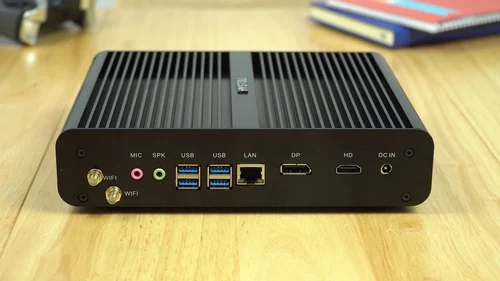
Small PCs, sometimes called mini PCs, are energy conscious computing devices that concentrate significant processing capability into a remarkably small size. When these PCs are equipped with AI, they are capable of handling difficult data analysis tasks right where the data is created, removing the need to transmit data to distant servers. This local processing is extremely valuable for industries that operate in locations where internet connectivity is not dependable.
The idea of AI operating at the edge is receiving a lot of attention as businesses try to decentralize data processing and decrease latency. Traditional cloud based analytics often involves sending large datasets to remote servers, which can be slow and expensive. Edge computing, on the other hand, brings processing power closer to the data source, enabling real time analysis and quicker decision making. I view this as a major shift.
Several important things are causing the adoption of AI edge computing solutions in India:
- Improved Connectivity: The continued growth of 4G and 5G networks is providing stronger support for edge computing deployments, even as India’s internet setup keeps improving.
- Cost Savings: By processing data locally, businesses can greatly lower bandwidth costs and decrease how much they rely on cloud services.
- Enhanced Security: Keeping sensitive data within the organization’s network through edge computing makes data security stronger and lowers the chance of breaches.
- Real time Insights: Analyzing data as it is created allows businesses to quickly respond to changing situations and make informed decisions.
The combination of AI and small PCs is especially useful in India, where industries have unique challenges such as limited infrastructure, varied operating conditions and a strong need for affordable solutions. By using AI solutions on small PCs, companies can get past these problems and discover new opportunities for growth. I consider these solutions very adaptable.
The possible uses for AI small PCs in India are numerous and varied. I have worked on projects covering several important sectors:
Manufacturing: Transforming Processes with AI Small PC Analytics India
In manufacturing, AI small PCs help with predictive maintenance, improve quality control and optimize processes. For example, a textile mill could use AI powered cameras to instantly check fabrics for defects. The small PC analyzes the images and points out any problems, alerting the quality control team to take action. This greatly lowers waste and improves the quality of the finished product. One manufacturing client saw a 15% drop in waste using this method.
At an automotive manufacturing plant, AI can watch how well robotic welding arms are working. By analyzing sensor data from these robots, AI finds unusual activity that points to possible failures. Maintenance teams can then schedule repairs in advance, preventing expensive downtime and ensuring production is not interrupted. This analysis also shows patterns in welding performance, enabling engineers to improve the welding process for better quality and increased productivity. I see this as something that will bring about big change.
Agriculture
Agriculture is a key part of the Indian economy, and AI small PCs can greatly increase crop yields and optimize how resources are used. Drones with AI driven cameras can survey fields, collecting data on crop health, soil conditions and pest infestations. The small PC on the drone analyzes these images as they are taken, giving farmers insights that they can use right away. For example, the system finds areas where crops are stressed from not enough water or nutrients, enabling farmers to precisely target their irrigation and fertilization efforts. Some farmers have said they saw yield increases of up to 20% using precision agriculture methods enabled by AI small PCs.
Picture a tea plantation in Assam where AI constantly monitors weather patterns, soil moisture levels and plant health. Small PCs, connected to a network of sensors, collect data from different locations within the plantation. AI algorithms then analyze this data to predict the best times to harvest, making sure the tea leaves are picked when they taste the best, increasing the crop’s value. I find this incredibly valuable.
Healthcare
In healthcare, AI small PCs support remote patient monitoring, speed up medical image analysis and make drug discovery faster. Take for example a rural clinic that has limited access to specialized medical expertise. An AI powered small PC can analyze medical images, such as X rays and CT scans, giving preliminary diagnoses. This helps healthcare providers make quicker, more accurate decisions, which ultimately improves patient outcomes. One healthcare provider saw a 10% reduction in diagnostic errors after implementing such a system.
I imagine a remote village with limited access to medical specialists. Here, AI, running on small PCs, can analyze patient data collected through wearable sensors, providing early warnings of possible health issues. This allows healthcare workers to step in early, preventing serious complications and improving patient outcomes. These systems can also monitor chronic conditions like diabetes and hypertension, empowering patients to better manage their health. I view this as a critical improvement for rural healthcare.
Logistics and Transportation
The logistics and transportation sectors are ready to benefit greatly from AI solutions. Imagine a fleet of trucks with AI enabled cameras and sensors. The small PCs on board analyze data as it comes in to optimize routes, watch driver behavior and spot possible hazards. For instance, the system can identify traffic jams, road closures or bad weather and automatically reroute the vehicle to reduce delays. It can also assess how alert the driver is, issuing warnings if signs of fatigue appear. This improves safety, lowers fuel use and increases the overall productivity of the transportation network. I have seen this technology save companies money.
Take into account a logistics firm managing a large fleet of delivery vehicles. AI can optimize delivery routes, predict when vehicles will need maintenance and track driver performance. Small PCs installed in the vehicles collect data on location, speed, fuel usage and engine performance. AI algorithms analyze this data to identify inefficiencies and possible problems, allowing the company to lower fuel costs, reduce downtime and improve how well it operates. I believe this is the future of logistics.
Smart Cities
The development of smart cities in India presents a big opportunity for AI. These PCs can be used in many different ways, including traffic management, public safety and environmental monitoring. A network of cameras and sensors throughout a city can watch traffic flow. Small PCs analyze this data as it happens to optimize traffic signal timing, reduce congestion and improve air quality. The system can also spot accidents or other incidents, alerting emergency services. I believe this will greatly improve the performance and safety of the city’s transportation network.
Consider a city using a network of environmental sensors to monitor air and water quality. AI can analyze this data as it comes in to identify pollution hotspots, prompting authorities to take corrective action. This improves the health and wellbeing of residents while protecting the environment. I see this as an especially important use.
The potential of AI small PCs in India is huge, but some challenges need to be addressed. I have identified these:
- Data Privacy and Security: Making sure sensitive information is private and secure is extremely important as data collection and analysis become more common. Strong data protection measures and cybersecurity protocols are essential to prevent data breaches and protect individual privacy.
- Infrastructure Limitations: India’s infrastructure, especially in rural areas, might not be adequate to support the widespread use of AI small PCs. A dependable power supply and consistent internet connectivity are crucial for these devices to work effectively.
- Lack of Skilled Workforce: There are not enough skilled professionals who can design, implement and maintain AI powered systems. Investing in education and training programs is important to develop a skilled workforce that can support the growth of the AI industry.
- Cost Considerations: The cost of AI hardware and software can stop many businesses from adopting AI, especially small and medium sized enterprises. Government incentives and subsidies can lessen this cost and encourage more businesses to use AI technologies. I believe this is an area where government support can have a big impact.
Even with these challenges, the opportunities for AI in India are huge. By addressing these issues and taking advantage of the strengths of the Indian economy, the full potential of AI can be realized, driving economic growth and social development. I have an optimistic view.
Selecting the correct AI small PC depends on what your application needs. I have made a checklist to guide you through the selection process:
- Processing Power: Think about the computational needs of your AI algorithms. Choose a small PC with a processor that can efficiently handle the workload.
- Memory and Storage: Make sure the small PC has enough memory and storage to hold your data and software.
- Connectivity: Select a small PC that offers the connectivity options you need, such as Wi Fi, Ethernet and cellular capabilities, to integrate easily with your network and other devices.
- Operating System: Choose an operating system that is compatible with your AI software and development tools.
- Power Consumption: Think about how much power the small PC uses, especially if you are using it in remote locations with limited power resources.
- Environmental Conditions: Choose a small PC designed to handle the environmental conditions of where it will be used, considering things such as temperature, humidity and dust exposure.
- Cost: Balance the performance capabilities and features of the small PC against its cost to make sure you are getting value for your money. I often advise clients to consider this.
Working with a vendor who can provide expert guidance and support during the selection process is very valuable. They can help you assess your needs, look at available options and find the best AI small PC for your specific application.
I have seen many companies in India successfully implement AI solutions. For example:
- A leading agricultural company uses AI powered drones to monitor crop health and optimize irrigation practices. The drones have small PCs that process images as they are taken, giving farmers insights that have increased crop yields and reduced water consumption.
- A major manufacturing company uses AI small PCs to watch equipment performance and predict possible failures. These small PCs analyze sensor data from the machines, enabling the maintenance team to schedule repairs in advance, reducing downtime and maximizing manufacturing process productivity.
- A healthcare provider uses AI small PCs to analyze medical images, helping with diagnosis. These small PCs have AI algorithms that can detect anomalies in X rays and CT scans, enabling doctors to make faster, more accurate diagnoses, which has improved patient outcomes and reduced the workload for healthcare professionals.
These case studies show the transformative potential of AI solutions in India. As more companies start using these technologies, I expect to see big improvements in terms of economic growth, social progress and environmental sustainability. I am encouraged.
I believe the future for AI in India is very bright. As the costs associated with AI hardware and software continue to go down and the number of skilled professionals grows, I expect widespread use of these technologies across many different industries. The government’s strong commitment to promoting digital transformation and supporting innovation will further speed up the growth of the AI industry. I foresee AI becoming an essential part of the country’s economic framework, creating new opportunities for businesses and improving the quality of life for its citizens.
The combination of AI and small PCs is more than just a technological trend; it is a fundamental shift in how data is processed and used. By extending the power of AI to the edge, I believe we can discover deeper insights, increase efficiency and build a more sustainable future. I am excited to be part of this change and look forward to seeing the positive impact of AI on Indian industries.
So, what is the key takeaway? I predict the use of AI Small PC Analytics India is set for significant growth. Successfully dealing with the current challenges and taking advantage of the new opportunities will be important to fully realize the potential of this technology. As the ecosystem gets more developed and success stories become more common, AI will have a big influence in shaping the future of Indian industries. I find the possibilities truly exhilarating.