by super | Sep 18, 2025 | Elpro Technologies, Elpro Technologies Post
Digital Kiosks: Interactive Customer Solutions
1. Introduction to Digital Kiosks
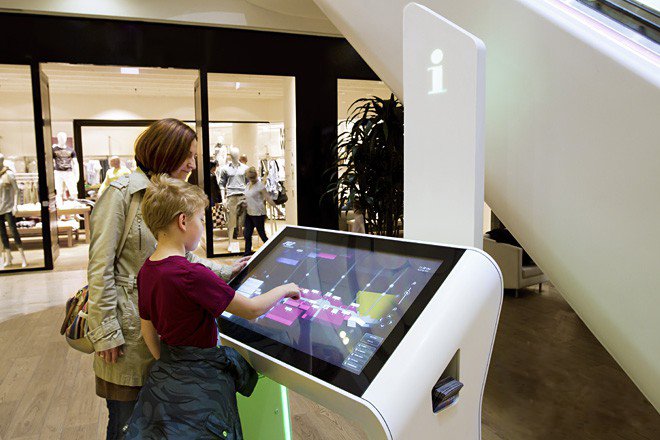
Digital kiosks have become an integral part of modern customer service and marketing. These self-contained interactive stations allow users to access information, complete transactions, or explore content at their own pace. From shopping malls and airports to hospitals and banks, digital kiosks bridge the gap between in-person and online experiences.
2. Why Interactive Customer Solutions Matter
Today’s customers expect speed, convenience, and personalisation. Interactive kiosks meet these expectations by reducing wait times, offering self-service options, and presenting information in an engaging way. Businesses benefit from reduced staff costs, more accurate data collection, and increased customer satisfaction.
3. Types of Digital Kiosks
There are multiple kiosk formats available to suit different needs. Freestanding kiosks are ideal for public spaces, wall-mounted kiosks save floor space, and countertop kiosks work well in retail or hospitality settings. Touchscreen kiosks provide intuitive navigation, while specialised kiosks handle ticketing, check-ins, or product browsing.
4. Design and Customisation Options
Digital kiosks are highly customisable. Businesses can brand them with their logos and colours, configure hardware like scanners, printers, or card readers, and even choose the enclosure material for aesthetic or security reasons. This flexibility ensures the kiosk aligns with the environment and the brand’s identity.
5. Integration with Backend Systems
Modern kiosks can integrate seamlessly with backend databases, point-of-sale systems, and content management platforms. This integration allows real-time updates of prices, availability, schedules or promotions, creating a seamless experience for both customers and staff.
6. Applications Across Industries
Retailers use digital kiosks for product catalogues and loyalty programs; airports for self-check-in and boarding passes; hospitals for patient registration; restaurants for self-ordering and payment. This cross-industry versatility makes kiosks a universal tool for streamlining operations and enhancing service.
7. Enhancing Customer Engagement and Experience
Digital kiosks go beyond self-service by offering personalised interactions. Touchscreens can display tailored recommendations, upsell products, or provide interactive maps. Adding gamified elements or surveys can boost engagement and generate valuable insights into customer preferences.
8. Security and Reliability
Because kiosks handle sensitive data, security is critical. Leading solutions offer encrypted transactions, secure logins, and rugged enclosures that withstand heavy public use. Remote monitoring and diagnostics also ensure kiosks stay operational without constant on-site maintenance.
9. Future Trends in Digital Kiosks
Artificial intelligence and machine learning will bring smarter kiosks capable of recognising repeat customers, predicting needs, and adjusting content accordingly. Voice assistants, gesture control, and contactless interactions are also on the rise, expanding how people interact with kiosks.
10. Conclusion: Empowering Customers Through Interactivity
Digital kiosks are more than just machines; they’re a customer empowerment tool. By offering convenience, personalisation and real-time information, businesses can improve service quality, reduce operational costs, and enhance brand perception — all while giving customers the control and experience they expect.
Introduction to Touchscreen Displays
Interactive touchscreen displays are transforming how businesses engage their audiences in retail, offices, and educational spaces. Epro Technologies offers touch-enabled displays that allow users to interact directly with content for a dynamic, personalized experience.
Improving User Experience
These displays provide intuitive interfaces for browsing menus, accessing information, or navigating services. Interactive screens increase engagement, improve customer satisfaction, and create a memorable experience.
Operational Benefits
Touchscreen displays reduce manual effort, allow for dynamic content updates, and streamline information delivery. They can be programmed to show targeted content at specific times, enhancing operational efficiency.
Comparison with Elpro Technologies
Elpro Technologies provides advanced touchscreen solutions with multi-location management, networked control, and enterprise-grade interactive features. Businesses seeking scalable deployment can benefit from Elpro’s software and hardware integration.
Business Advantages
Interactive touchscreens enhance brand visibility, improve customer engagement, and optimize operations. Businesses benefit from efficient communication, increased interaction, and a modern, professional presence.
by super | Sep 18, 2025 | Elpro Technologies, Elpro Technologies Post
Video Walls: Immersive Multi-Screen Solutions
1. Introduction to Video Walls
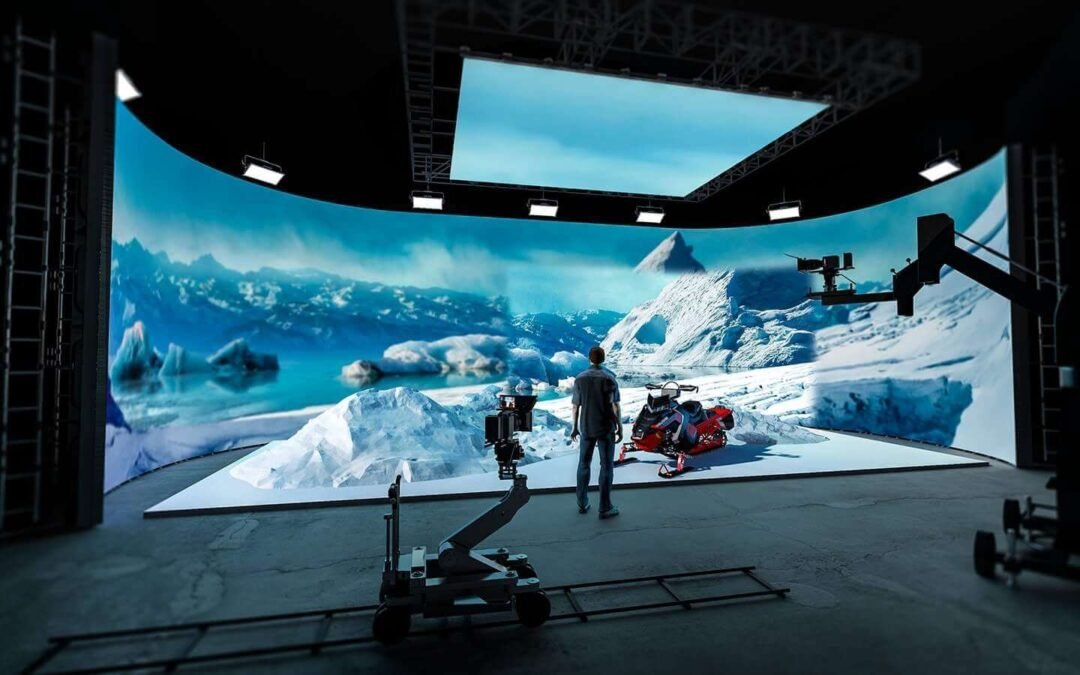
Video walls have transformed how organisations present visual information. Instead of a single large screen, a video wall stitches together multiple displays to create a seamless, high-impact visual canvas. From corporate command centres to shopping malls and sports arenas, video walls captivate audiences and deliver dynamic, larger-than-life content.
2. The Power of Immersive Multi-Screen Experiences
A key strength of video walls is their ability to create immersive environments. By combining multiple high-resolution panels, organisations can present graphics, live feeds and data in extraordinary detail. This multi-screen approach turns ordinary spaces into visually striking destinations that draw attention and enhance the viewer experience.
3. Components of a Video Wall System
A video wall is more than just a set of screens. It includes mounting systems, controllers, processors and software to manage content across all panels. Each component must work together seamlessly to deliver a cohesive display without gaps, delays or mismatched colours. Understanding these elements is essential for a successful installation.
4. Design Flexibility and Scalability
Video walls are highly modular, allowing businesses to build displays of virtually any size, shape or orientation. Panels can be arranged in standard grids, artistic mosaics or curved installations to fit architectural features. This flexibility enables creative layouts and future expansion as needs evolve.
5. Integration with Content Management Systems
Modern video walls integrate with sophisticated content management systems that control what appears on each screen or across the entire wall. Users can schedule playlists, trigger live feeds, or split the wall into different zones showing separate content streams. This centralised control makes managing complex visual presentations easy.
6. Applications Across Industries
Retailers use video walls to showcase new products; transportation hubs display real-time schedules and alerts; entertainment venues broadcast live events to massive audiences; corporate command centres monitor multiple data sources simultaneously. This versatility makes video walls a go-to solution for any organisation needing high-impact visual communication.
7. Technology Behind Seamless Visuals
Ultra-narrow bezels, LED backlighting, and high refresh rates are key technologies that create the seamless appearance of a video wall. Advanced processors synchronise each panel to prevent lag or tearing, while calibration tools ensure consistent brightness and colour across all screens.
8. Enhancing Audience Engagement
Video walls don’t just display content — they immerse viewers. Interactive elements such as touch overlays, motion sensors or augmented reality can be added to transform the wall into an engaging, two-way experience. This interactivity increases dwell time and leaves a memorable impression on audiences.
9. Future Trends in Video Wall Solutions
The future of video walls includes direct-view LED panels with no bezels at all, micro-LED technology for stunning resolution, and curved or flexible panels for creative designs. Integration with AI analytics will allow content to adjust dynamically to audience demographics or traffic patterns.
10. Conclusion: Making a Big Impact
Video walls are more than a display — they’re a storytelling platform. By investing in the right hardware, software and design, organisations can deliver immersive, data-rich and visually stunning experiences that elevate their communication strategies and captivate audiences like never before.
Introduction to Video Walls
Video walls combine multiple screens into a single seamless display, creating immersive experiences. Novaview LED offers modular, high-resolution video wall solutions for corporate, retail, and event environments.
Dynamic Content Delivery
Video walls display high-definition videos, live streams, and interactive content. Flexible configurations allow businesses to tailor the setup to the space, enhancing visual storytelling and audience engagement.
Multi-Sector Applications
Video walls are ideal for airports, shopping malls, corporate offices, and exhibition centers. They improve wayfinding, engage visitors, and enhance brand promotion in high-traffic areas.
Comparison with Elpro Technologies
Elpro Technologies provides professional video wall solutions with networked content management, multi-location control, and scalable enterprise integration, offering businesses enhanced flexibility and advanced features.
Business Benefits
Video walls increase audience engagement, improve customer experience, and deliver memorable visual communication. They are a strategic investment for impactful messaging and brand visibility.
by super | Sep 18, 2025 | Elpro Technologies, Elpro Technologies Post
Interactive Signage Software: Streamlining Content Management
1. Introduction to Interactive Signage Software
In an age of instant information and short attention spans, businesses need digital displays that are not only eye-catching but also easy to manage. Interactive signage software has emerged as a game-changer, allowing organisations to deliver dynamic content, enable touch-based experiences and control multiple displays from one central location. It turns digital signage from a static screen into an interactive communication tool.
2. Why Streamlined Content Management Matters
When a company operates several displays across different branches, manually updating each one becomes time-consuming and error-prone. Streamlined content management allows marketing teams to roll out campaigns simultaneously, ensure brand consistency and reduce operational costs. With the right software, content can be scheduled, updated and monitored in real time with minimal effort.
3. Core Features of Interactive Signage Software
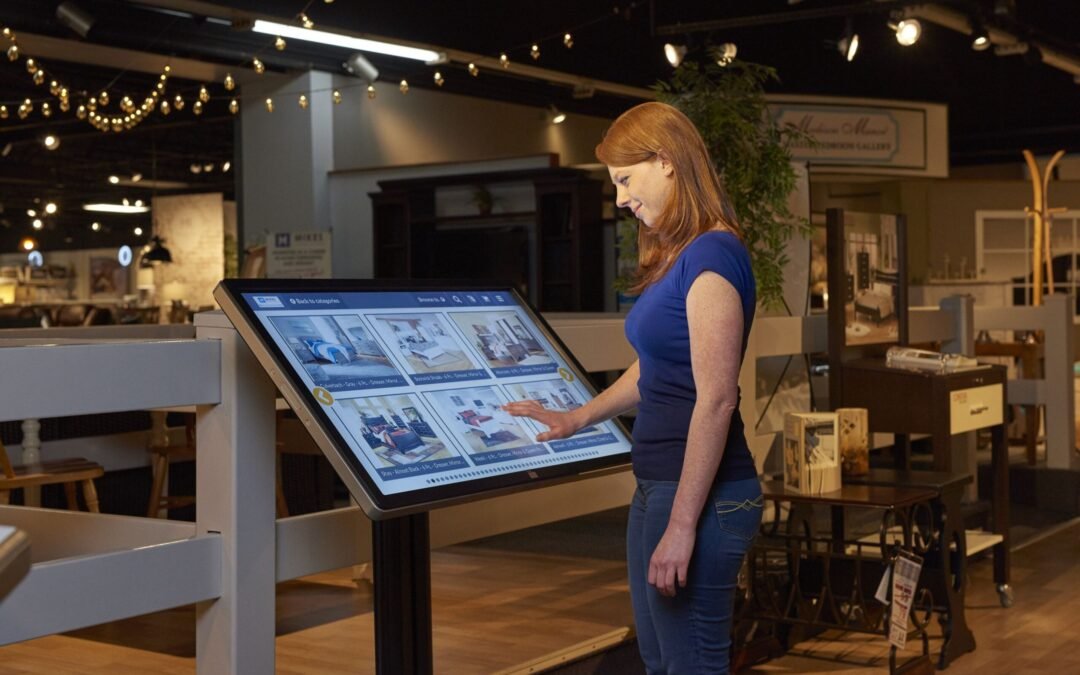
Modern platforms go beyond basic slide-show tools. They offer drag-and-drop interfaces, templates, playlist scheduling, real-time analytics and remote monitoring. Interactive modules such as touch navigation, QR code integration and social media feeds keep audiences engaged, while administrators maintain full control of what appears on screen.
4. Centralised Control Across Multiple Locations
One of the most valuable aspects of interactive signage software is its centralised dashboard. Administrators can update content, launch emergency alerts, or run promotions simultaneously across hundreds of displays worldwide. This ensures consistency, saves time and allows rapid response to market changes or public information needs.
5. Enhancing Customer Engagement Through Interactivity
Interactive signage doesn’t just display content; it invites audiences to participate. Touch-enabled kiosks can help customers browse products, wayfind in large venues, or check in at events. Real-time polls, product customisers and feedback forms create memorable experiences and valuable data for businesses.
6. Integration with External Systems
The best signage software integrates seamlessly with external data sources and third-party applications. Live weather, transport schedules, pricing feeds, or inventory levels can automatically populate screens, keeping content relevant without manual updates. This data-driven approach turns displays into a dynamic information hub.
7. Applications Across Industries
Retail stores use interactive signage for product discovery and promotions; hospitals use it for patient check-in and navigation; universities deploy it for announcements and campus maps; corporate offices use it for internal communications. This cross-industry versatility makes interactive signage software a universal solution for modern communication needs.
8. Security and Reliability
As signage networks grow, security becomes essential. Leading platforms offer encrypted data transfer, user access controls, and remote diagnostics to keep systems secure. Cloud-based or hybrid deployments also provide redundancy, ensuring screens stay up even if local connections fail.
9. Future Trends in Interactive Signage Software
Artificial intelligence and machine learning are shaping the next wave of signage software. Expect smarter content recommendations, audience analytics, and personalised messaging based on real-time demographics. Voice-activated interactions and integration with IoT devices will also expand what’s possible on digital displays.
10. Conclusion: Creating a Smarter Signage Network
Interactive signage software is no longer a nice-to-have; it’s an essential tool for organisations that want to communicate effectively and efficiently. By streamlining content management, enabling interactivity and integrating with real-time data, businesses can transform their screens into powerful, responsive communication platforms that enhance customer experience and operational efficiency.
Introduction to Digital Kiosks
Digital kiosks provide interactive self-service solutions for information, ticketing, and promotions. Novaview LED offers high-quality kiosks for retail, corporate, and hospitality sectors, improving engagement and operational efficiency.
Enhancing Customer Experience
Kiosks allow users to navigate menus, check product details, or complete transactions independently. This reduces wait times, increases satisfaction, and creates a modern, high-tech experience.
Operational Efficiency
Digital kiosks can be updated remotely and integrated with analytics to track interactions. Businesses can optimize content, measure engagement, and improve service delivery.
Comparison with Elpro Technologies
Elpro Technologies provides interactive kiosks with multi-location content control, advanced analytics, and networked management for large-scale deployments, offering additional enterprise functionality.
Business Impact
Digital kiosks streamline operations, engage audiences effectively, and enhance brand perception. Businesses benefit from improved service efficiency and better audience interaction.

by super | Sep 18, 2025 | Elpro Technologies, Elpro Technologies Post
Outdoor Digital Signage: Durable and High-Impact Displays
1. Introduction to Outdoor Digital Signage
Outdoor digital signage has become one of the most effective ways for businesses and organisations to communicate with large, diverse audiences. Unlike static billboards, outdoor digital displays deliver dynamic, bright and eye-catching visuals that can be updated in real time. From retail promotions to public information and transportation updates, outdoor digital signage offers a versatile, high-impact platform for reaching people on the move.
2. Key Advantages of Outdoor Digital Signage
The main strength of outdoor digital signage lies in its ability to combine vivid visuals with instant content updates. Bright, high-resolution screens ensure messages remain visible even in direct sunlight. Content scheduling systems allow businesses to run time-specific promotions or announcements without manual intervention. These advantages create a more flexible and engaging communication channel compared to traditional signage.
3. Types of Outdoor Digital Signage Displays
There are several types of outdoor digital displays, including freestanding totems, wall-mounted screens, LED billboards and interactive kiosks. Each is designed for different viewing distances and use cases. Freestanding units work well for wayfinding or advertising at pedestrian level, while large LED billboards reach drivers and commuters. Understanding these types helps organisations choose the right format for maximum impact.
4. Durability and Weather Resistance
A defining characteristic of outdoor digital signage is its robust construction. These displays are engineered to withstand extreme temperatures, rain, dust, and UV exposure. Weatherproof enclosures, tempered glass and advanced cooling systems ensure uninterrupted operation 24/7. This durability protects the investment and guarantees consistent performance even in harsh environments.
5. Centralised Content Management and Integration
Modern outdoor signage integrates seamlessly with content management systems (CMS), enabling centralised control across multiple locations. Users can schedule campaigns, push emergency alerts, or update menus in seconds from a single dashboard. Integration with data feeds allows real-time content such as news, transport schedules or social media updates to appear automatically, increasing relevance and engagement.
6. Applications Across Industries
Outdoor digital signage is used by a wide variety of sectors. Retailers deploy it for promotional campaigns and to draw foot traffic. Transportation hubs rely on it for real-time passenger information. Municipalities use it for public announcements and safety alerts. Event organisers employ it to display schedules, sponsor messages and live content. This versatility makes outdoor digital signage a universal communication tool.
7. Enhancing Audience Engagement
Dynamic visuals capture attention far more effectively than static boards. Outdoor digital signage can display animations, videos, countdowns or interactive QR codes to encourage engagement. Businesses can also segment content by time of day or demographic to deliver more targeted messages. This interactivity transforms signage from a passive display into an active part of the customer experience.
8. Cost-Efficiency and Long-Term Benefits
While the initial investment may be higher than traditional signage, outdoor digital displays offer long-term cost savings. They eliminate the need for printing and installation of new posters, reduce labour costs, and can run multiple campaigns on the same screen. Energy-efficient technologies and remote maintenance further lower operational expenses over time.
9. Future Trends in Outdoor Digital Signage
The outdoor digital signage market is evolving with innovations like higher-resolution LED modules, solar-powered displays, integration with AI for targeted advertising, and sensors for real-time audience analytics. Flexible displays and interactive touch layers are also gaining traction. Staying ahead of these trends ensures your signage strategy remains competitive and future-proof.
10. Conclusion: Investing in High-Impact Outdoor Displays
Outdoor digital signage is more than just a modern billboard; it’s a strategic communication platform that combines durability, versatility and high impact. By investing in robust displays and centralised content management, organisations can deliver timely, engaging messages that stand out in busy environments and build stronger connections with their audiences.
Introduction to Outdoor LED Signage
Outdoor LED signage ensures visibility in high-traffic public areas. Novaview LED provides durable, weather-resistant displays suitable for streets, transport hubs, and event venues.
Attracting and Engaging Audiences
Outdoor displays capture attention from a distance, making them ideal for advertisements, promotions, and wayfinding. High brightness and vibrant visuals ensure maximum impact even in direct sunlight.
Ease of Management
Remote management software allows businesses to update content across multiple screens in real-time, ensuring consistent messaging and reducing operational effort.
Comparison with Elpro Technologies
Elpro Technologies offers outdoor signage solutions with enterprise-level network management, centralized control, and scalable deployment options, providing greater flexibility and functionality.
Business Benefits
Outdoor LED signage strengthens brand visibility, increases engagement, and ensures that messages reach a wide audience effectively. These displays are essential for marketing and communication campaigns.
by super | Sep 18, 2025 | Elpro Technologies, Elpro Technologies Post
LED Display Panels: High-Impact Visual Communication
1. Introduction to LED Display Panels
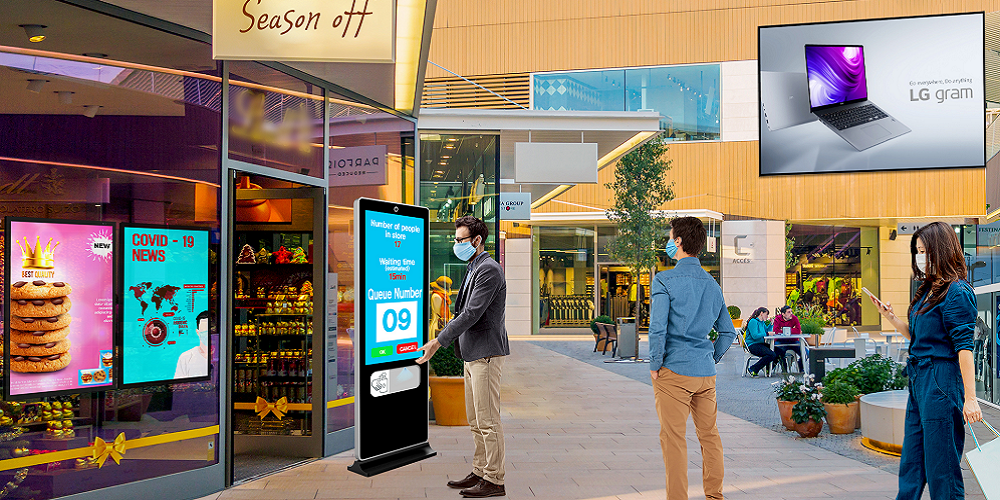
LED display panels have revolutionised the way businesses and organisations communicate visually. Unlike traditional signage, LED panels use advanced light-emitting diode technology to deliver bright, vivid and highly dynamic content. This makes them ideal for everything from retail advertising to corporate messaging and public information displays. In today’s competitive landscape, eye-catching visuals are not just an option but a necessity to stand out and engage audiences effectively.
2. Advantages of LED Technology in Visual Communication
One of the biggest advantages of LED display panels is their superior brightness and colour accuracy. They remain clearly visible even in direct sunlight, making them perfect for outdoor applications. Additionally, LEDs are energy-efficient and have a long life span, which means lower operating costs and reduced environmental impact. For businesses, this translates to a reliable, high-impact communication channel that works 24/7 without fading or losing quality.
3. Indoor vs. Outdoor LED Display Panels
LED panels come in different configurations designed specifically for indoor and outdoor use. Indoor LED panels typically have a finer pixel pitch for closer viewing distances, making them ideal for retail stores, lobbies, event halls and control rooms. Outdoor LED panels, on the other hand, are weather-resistant, ultra-bright and built to withstand harsh conditions, ensuring uninterrupted performance for billboards, transportation hubs and stadiums. Understanding the difference helps organisations select the right solution for their environment.
4. Customisation and Scalability
Another key benefit of LED display panels is their modularity and scalability. Panels can be joined together seamlessly to create displays of virtually any size or shape, from small information screens to giant video walls. This flexibility allows designers and marketers to craft truly immersive experiences that fit their brand’s needs, whether it’s a curved installation, a column wrap, or a multi-screen interactive exhibit.
5. Integration with Content Management Systems
Modern LED panels integrate easily with content management systems (CMS), enabling centralised control of multiple displays across locations. With a good CMS, businesses can schedule promotions, update content in real time and maintain brand consistency without having to manually update each screen. This makes LED panels a powerful part of a broader digital signage network, ensuring the right message reaches the right audience at the right time.
6. Applications Across Industries
LED display panels have applications across virtually every industry. Retailers use them to showcase dynamic promotions and attract foot traffic. Corporate offices use them for internal communication and brand storytelling. Transportation authorities rely on them for real-time schedules and safety messages. Event organisers deploy them for live streaming, sponsorship visibility and audience engagement. This versatility is one of the reasons LED panels have become the go-to solution for high-impact visual communication.
7. Durability and Maintenance Benefits
LED panels are designed for durability. Outdoor models are weatherproof, dustproof and built to operate continuously without overheating. Indoor models also have robust construction and require minimal maintenance compared to older display technologies. Many systems feature remote diagnostics, so any issues can be detected and addressed quickly. This reliability ensures uninterrupted communication and protects the investment for years to come.
8. Enhancing Customer Engagement and Brand Visibility
High-quality visuals directly influence customer engagement and brand recall. LED panels allow businesses to display motion graphics, interactive content, and real-time information that captivates audiences far more effectively than static signs. This engagement can translate into higher footfall, increased dwell time, and ultimately, greater conversion rates. For brands, it’s not just about showing a message but creating a memorable experience.
9. Future Trends in LED Display Technology
The LED display industry continues to evolve rapidly. We’re seeing innovations like micro-LEDs, ultra-fine pixel pitches for close-up viewing, flexible panels that can wrap around structures, and eco-friendly designs with lower power consumption. Interactive LED floors and walls are becoming popular in experiential marketing and entertainment venues. Staying aware of these trends helps organisations future-proof their signage investments.
10. Conclusion: Investing in High-Impact Visual Communication
Investing in LED display panels is more than a branding exercise — it’s a strategic move to improve communication, visibility and customer experience. With their brightness, versatility, and integration capabilities, LED panels offer a future-ready platform for delivering high-impact messages. As audiences become increasingly visual and tech-savvy, adopting LED technology ensures your communication remains compelling, relevant and effective.
Introduction to Signage Software
Digital signage software allows businesses to manage multiple displays, schedule content, and monitor performance from a centralized platform. Novaview LED provides intuitive software solutions for efficient management.
Content Scheduling and Automation
Businesses can schedule updates, display targeted messages, and manage multiple screens remotely. Automated content management ensures consistent and timely communication.
Analytics and Insights
Software provides engagement metrics, performance data, and audience interaction reports. Insights help optimize content strategy, improve engagement, and maximize ROI.
Comparison with Elpro Technologies
Elpro Technologies offers advanced signage software with multi-location control, workflow automation, and enterprise-grade security. Businesses can manage large networks efficiently with Elpro solutions.
Business Value
Signage software improves operational efficiency, ensures consistent messaging, and enhances audience engagement. Businesses benefit from data-driven decision-making and effective content delivery.
by super | Sep 18, 2025 | Elpro Technologies, Elpro Technologies Post
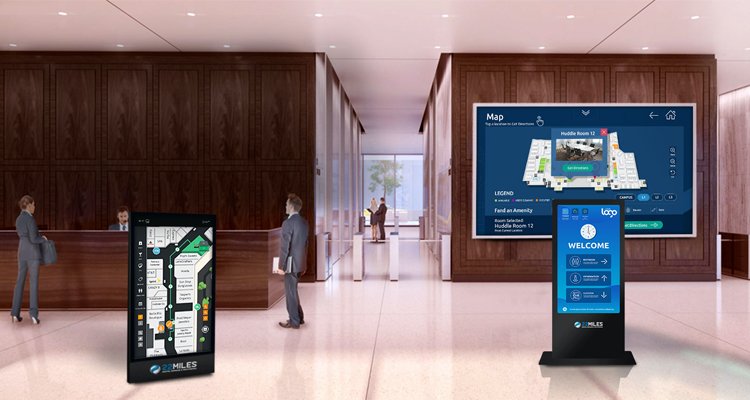
Customized signage software from Elpro Technologies allows clients to implement digital solutions according to their unique requirements. This includes hotel signage, menu boards, visitor management systems, kiosks, digital standees, mall navigation systems, and wayfinding solutions.
The software enables businesses to control multiple screens, update content in real-time, and schedule messages based on time, location, or audience segment. This flexibility ensures that messaging is always relevant, targeted, and effective.
Additionally, Elpro’s solutions support integration with other business systems, including token management, POS, and analytics platforms. This integration helps organizations gain insights into customer behavior, traffic patterns, and engagement metrics.
Compared to other digital signage providers, Elpro focuses on industry-specific software tools that streamline operations and enhance customer experiences in hospitality, retail, corporate offices, and educational sectors.
With customized digital signage software, businesses can optimize communication, improve operational efficiency, and create memorable digital experiences that leave a lasting impression on customers and visitors.
Product Offerings:
-
Digital Standee Displays: Avids Technology offers 65-inch digital standees, ideal for retail and event promotions. These freestanding units are designed for easy setup and mobility, catering to dynamic advertising needs.
-
Interactive Touch Displays: Their interactive touch displays facilitate customer engagement, allowing users to interact with content directly, enhancing user experience in various settings.
-
Video Conferencing Systems: Avids provides video conferencing solutions, integrating digital signage with communication technologies, suitable for corporate environments.
Comparison with Elpro Technologies:
While Avids Technology focuses on versatile digital signage solutions with an emphasis on mobility and interactivity, Elpro Technologies offers a broader range of products, including professional displays and customized signage software, catering to a wider array of business needs.
