by super | Oct 30, 2025 | Elpro Technologies, Elpro Technologies Post
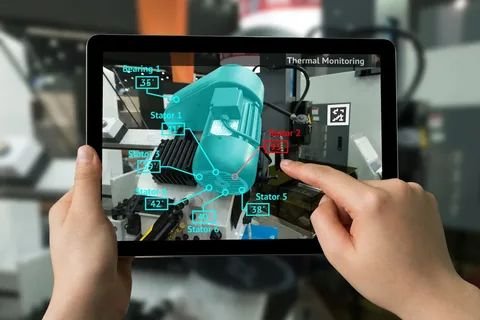
Did you know that India’s industries are quietly undergoing a massive change? I have personally seen industrial PCs (IPCs) completely reshape how things are done, from making factories run themselves to improving how energy is sent out and even changing transportation. Looking closely at important areas proves that industrial PC applications India are very important for making key industries stronger and helping the economy grow.
Manufacturing in India is quickly changing, using automation and information to make better decisions, increase production and be more competitive. IPCs are key to this change, watching, controlling and improving production in real time. From what I have seen, industrial PC applications in India are especially helpful in manufacturing.
Manufacturing: Industrial PCs for Real Time Control and Automation
Picture factories where IPCs gather information from sensors, machines and tools. This information is looked at right away, giving workers important information they can use. Because I have worked with many manufacturing companies, I know this real time oversight helps find and fix problems quickly, reducing downtime and making things more efficient.
For example, in a drug factory, IPCs constantly watch the temperature, pressure and humidity. If any of these go outside the set limits, the system makes changes to keep everything right, which protects the quality of the product and follows the rules.
Automated Quality Assessment
Automated quality control systems use IPCs to check products for problems. These systems use cameras, sensors and complex image analysis to spot flaws that people might miss. By automating quality checks, manufacturers make products better, waste less and produce more. I remember one project where an IPC based quality control system cut down on defects by an amazing 30%.
In the car industry, IPCs check car bodies for dents, scratches and other issues. The system automatically points out any problems, so workers can fix them before the car goes further down the assembly line.
Predictive Equipment Maintenance
Another very important industrial PC application in India involves predicting when equipment will need maintenance. IPCs gather information from machines and tools, then analyze it to guess when maintenance will be needed. By planning maintenance ahead of time, manufacturers avoid unexpected shutdowns, spend less on maintenance and make equipment last longer. My experience shows that predictive maintenance can decrease downtime by about 25%.
Think about a steel plant where IPCs watch vibrations in important equipment like pumps and motors. By looking at the vibration information, the system sees early signs of wear, which allows maintenance workers to schedule repairs before something breaks down.
Energy: Optimizing Production and Distribution with IPCs
India’s energy area is dealing with rising needs because the economy is growing quickly and more people are moving to cities. IPCs are very important for improving how energy is made, sent out and used, which makes sure there is a reliable and sustainable energy supply. The energy industry is quickly adopting industrial PC applications India to increase how well things work and how reliable they are.
Smart Power Grids
Smart grids use modern technology to watch and control the flow of electricity. They depend a lot on IPCs. These devices are put in substations, power plants and distribution places to gather information about voltage, current and power use. This information is then used to improve how the grid works, make it more reliable and waste less energy. I have seen firsthand how smart grids can greatly reduce power outages in cities.
Imagine a smart grid where IPCs watch the load on different parts of the grid. If one part needs more power, the system automatically sends power from other areas, which prevents overloads and blackouts.
Renewable Energy Management
Renewable energy systems like solar and wind farms also use IPCs to watch and control how power is made. IPCs gather weather information, solar strength information and wind speed information. This is used to improve how renewable energy systems work, making sure they make as much power as possible and increasing how much money is made back. I have given advice on projects where IPCs increased renewable energy output by an impressive 15%.
For example, at a solar power plant, IPCs track how much power each panel makes. If a panel is not working as well, the system automatically changes its angle to get the most sunlight, which results in major savings.
Oil and Gas Operations
The oil and gas industry uses IPCs for things like gathering seismic information, automating drilling and watching pipelines. IPCs gather and process information from sensors and tools, giving workers useful information about oil and gas operations, making them more efficient, safe and environmentally responsible. I have direct experience with how IPCs make sure things are safe in dangerous places.
Picture an offshore oil rig where IPCs watch the oil well’s pressure and temperature. If anything looks strange, the system automatically shuts down the well to prevent a blowout, which highlights the important safety advantages.
Transportation: Industrial PCs for Better Efficiency and Safety
India’s transportation area is going through a big change, with lots of money being invested in new infrastructure and technologies. IPCs are very important for making transportation systems more efficient, safe and reliable. A growing area for industrial PC applications India is in advanced transportation solutions.
Traffic Management Systems
Traffic management systems use IPCs to watch and control traffic flow. IPCs gather information from traffic sensors, cameras and GPS, which is used to improve traffic signal timing, manage traffic jams and improve overall traffic flow. This reduces travel times, improves air quality and makes things safer. I have observed these systems effectively reducing traffic jams during busy times.
Think about a city’s traffic control center, where IPCs constantly watch traffic conditions. If a traffic jam happens, the system automatically changes traffic signals to make it better.
Mass Transit Systems
Public transportation systems including buses, trains and subways also use IPCs to give passengers real time information, entertainment and safety features. IPCs show route information, arrival times and announcements. They also track how well vehicles are working, where they are and provide security surveillance. My team has worked on projects that put in place passenger information systems powered by IPCs.
For example, on a subway train, IPCs show real time information about the next stop, arrival time and any service problems. Passengers can also get Wi Fi and entertainment, which makes their trip better.
Railway Signaling Systems
Safe and efficient train operation depends on railway signaling systems that use IPCs. IPCs watch conditions, control signals and prevent crashes. These systems are very important for making sure passengers and freight are safe. IPC reliability is extremely important in these safety critical uses. I have always stressed how important dependable IPC solutions are in railway projects.
Picture a railway control center where IPCs track where all the trains are. If a train gets close to a red signal, the system automatically puts on the brakes to prevent a crash.
The future looks good for industrial PC applications India, with more being used in different areas. As India continues to put money into infrastructure and use digital change, the need for IPCs is likely to increase a lot. Expect even more new uses for IPCs in the coming years.
More Automation and Robotics
The increasing use of automation and robotics in manufacturing will cause a greater need for IPCs. These devices are the brains behind robots and automated systems, giving them the processing power and control they must have to do complex tasks. As manufacturers try to improve how well things work and spend less money, they will depend more on IPCs to automate processes. I believe that mixing AI and IPCs will completely change manufacturing.
Edge Processing
Another trend that will help IPC adoption is edge computing, which processes information closer to where it comes from. IPCs are perfect for edge computing because they can handle rough conditions and process information in real time. This is especially helpful for uses like predictive maintenance and smart grids, where quick decisions are critical. From my point of view, edge computing is a key thing that will make future industrial changes possible.
The Internet of Things (IoT)
The Internet of Things (IoT) connects billions of devices to the internet, making huge amounts of information. IPCs are needed to gather, process and analyze this information, giving information that improves how well things work, how productive they are and how good the decisions are. The need for IPCs will only increase as the IoT gets bigger. We are excited about what the IoT and IPCs can do together.
All in all, industrial PC applications India are changing important parts of the Indian economy. IPCs are helping businesses improve how they work, spend less money and make things safer, from manufacturing to energy to transportation. As India continues to grow, expect the need for IPCs to increase, which will cause more change and economic growth. I am sure that IPCs will continue to shape India’s future in a major way.
by super | Oct 30, 2025 | Elpro Technologies, Elpro Technologies Post
Imagine your factory grinds to a halt because of a glitch in your industrial PC network. I have seen firsthand how downtime can bleed a factory dry, costing upwards of $260,000 an hour. That is why selecting the right industrial PC supplier India is not merely a good idea; it is a vital decision impacting your bottom line. I have personally guided numerous Indian businesses in securing the ideal computing backbone for their mission-critical operations. From bustling factory floors to sprawling transportation networks, the need for reliable industrial PCs is skyrocketing. Think of this choice as more than a simple purchase; view it as an investment, laying the groundwork for significant operational improvements. I will walk you through the essential considerations, helping you sidestep common errors and maximize your investment. Let us examine how to choose the best industrial PC supplier India for your specific needs.
Understanding Your Specific Needs
Before you even start looking at potential vendors, you must have a rock-solid understanding of your precise requirements. What tough conditions will these PCs have to endure? What level of processing muscle do you truly need? How connected to other systems must they be?
1. Defining the Purpose
What specific jobs will the industrial PC handle? Data crunching? Process management? Advanced computer vision tasks? The intended use will dictate the components you will require.
Example: A factory laser-focused on continuous production lines will have different needs than a logistics outfit tracking trucks nationwide. I have seen this difference create problems when ignored.
2. Environmental Factors
Industrial environments are frequently brutal. Think about extreme heat, dust, vibration and humidity. Your PCs have to shrug off these conditions. I have consulted on projects where environmental ratings were completely ignored, leading to expensive failures.
- Operating Temperature: Double-check the PC’s operating temperature range. Can it survive in a sweltering factory or a below-freezing outdoor location?
- Dust and Water Resistance: Scrutinize the Ingress Protection (IP) ratings. IP65 or higher is generally adequate for grimy or damp environments.
- Vibration and Shock Resistance: Does the PC meet standards such as MIL STD 810G if it will experience frequent impacts?
3. Performance Requirements
Pinpoint the processing power, memory and storage you will need. Overdoing it wastes money, while skimping leads to problems down the road. I have seen both mistakes cost companies dearly.
- Processor: Nail the ideal balance of speed and energy efficiency. Intel Atom or Celeron processors often work for lighter tasks, but Intel Core i5 or i7 processors may be mandatory for tougher jobs.
- Memory: Decide on the amount of RAM required. Eight GB frequently does the trick, but larger projects might demand 16 GB or more.
- Storage: Mull over the storage type and capacity. Solid State Drives (SSDs) deliver superior speed and dependability compared to old-school Hard Disk Drives (HDDs).
4. Connectivity and Scalability
Confirm the PC has the ports and slots to hook up to your gear and network. Also, think about future growth needs.
- Ports: Tally up the required USB, serial and Ethernet ports. Do not forget video outputs.
- Expansion Slots: PCIe slots let you plug in cards for specialized communication or frame grabbers.
- Networking: Ethernet, Wi-Fi or cellular. Make sure the PC plays nice with your network setup.
Selecting the Right PC Vendor
Once you grasp your needs, you can begin sizing up potential industrial PC suppliers India. These are the crucial things to remember:
1. Experience and Expertise
Find a vendor with deep experience in the industrial PC space. How long have they been around? What industries do they cater to? Have they solved similar problems before? I always check on this.
Steer clear of fly by night vendors making wild promises and then vanishing. Team up with a vendor sporting a track record of long-term dependability.
2. Comprehensive Capabilities
Can the supplier offer different form factors, such as box PCs, panel PCs and rackmount PCs? Do they offer customization options? Can they tweak designs to match your specific needs?
A vendor with a varied product range can bend to your changing requirements. This is a very valuable trait.
3. Durability and Reliability
Industrial PCs get hammered and must maintain non-stop operation. Hunt down vendors who use premium components and put their products through rigorous testing. I always ask about testing procedures.
- Component Selection: Ask about the components used. Are they industrial grade and engineered for continuous operation?
- Testing and Certification: Do the PCs have certifications such as CE, FCC and RoHS?
- MTBF (Mean Time Between Failures): Request MTBF figures. Bigger numbers signal greater reliability.
4. Customization Options
Many industrial applications demand specialized solutions. Can the vendor whip up custom BIOS, branding or I/O configurations?
I recall a client who needed an oddball serial port not usually found on most PCs. A vendor who could bend to their will was vital.
5. Robust Support
Strong support is essential for keeping uptime high. Does the vendor offer repair services, warranties and technical help? How fast do they jump on issues?
- Technical Support: Phone, email or chat. Do they have brainy engineers who respond quickly?
- Warranty: How long is the warranty good for? What does it cover?
- Repair Services: Can they fix busted equipment? What is the turnaround time?
6. Total Cost of Ownership
The sticker price is only a fraction of the story. Factor in support costs and potential downtime when calculating the true cost. Zero in on overall value, not just the rock bottom price. I cannot stress this enough.
A slightly pricier PC with stellar support and proven dependability will frequently save you money over time.
Understanding the Indian Market
The Indian industrial PC market has unique quirks. Keep these points in mind.
1. Local Presence
Vendors with teams in India can typically deliver faster and provide better support when needed. I always prefer local teams.
2. Import Considerations
Import duties and taxes on PCs from other countries can rapidly inflate costs. Bake these expenses into your budget. I have seen companies get burned by surprise fees.
3. Regulatory Compliance
Make sure the PCs comply with Indian standards, such as BIS (Bureau of Indian Standards) certification.
Real-World Examples
These examples highlight the importance of choosing the correct vendor. I have seen similar situations myself.
Case Study 1: Chennai Factory
A factory in Chennai needed PCs to keep tabs on its production line. They went with the cheapest vendor around. The PCs keeled over under the punishing conditions, triggering frequent breakdowns and lost production. They ultimately switched to a vendor specializing in rugged equipment, which ironed out the issue.
Case Study 2: Mumbai Fleet
A trucking outfit in Mumbai needed PCs to manage its fleet. They teamed up with a vendor known for dependability and transportation savvy. The PCs performed flawlessly, dishing out real time data and boosting efficiency.
Future Trends
The industrial PC world is constantly changing. Keep an eye peeled for these trends.
1. Edge Computing
The demand for smaller, tougher PCs that can be planted closer to the data source is growing. This trims latency and enables on site data processing. I predict this trend will accelerate.
2. AI Integration
Artificial intelligence is being rolled out in factories for predictive maintenance and souped up quality control. This calls for PCs with the processing oomph to run advanced software.
3. Industrial Internet of Things (IIoT)
The Industrial Internet of Things is hooking up more devices, spewing out massive volumes of data. Industrial PCs are vital for scooping up, processing and analyzing this data. I think this area holds tremendous potential.
Finding the best industrial PC supplier India takes thorough investigation, careful vendor assessment and an appreciation for the Indian market. By sticking to these steps, you can nail down a solution that will significantly benefit your business. I have witnessed many Indian businesses find the right fit, and you can too with the proper prep work.
by super | Oct 30, 2025 | Elpro Technologies, Elpro Technologies Post
India’s Internet of Things market is not just growing; it is exploding. Experts predict it will hit $15 billion in just a few years. From what I have seen, embedded PCs are a major catalyst. These little powerhouses are reshaping industries with real time data analysis, rock solid connections and super precise control. I want to share some insights I have picked up over the years about Embedded PC India IoT deployments.
Think of an embedded PC as a dedicated mini computer. It is engineered for specific tasks within a bigger operation. Unlike your everyday desktop, these are built to handle tough conditions. We are talking wide temperature ranges, durable cases and guaranteed availability for years. When we discuss Embedded PC India IoT, we mean the brains behind everything from super accurate farming to total industrial automation. These are tough, reliable workhorses.
I have personally seen some amazing things. Consider irrigation systems so smart that sensor data, handled by embedded PCs, perfectly conserves water. Or picture factories where these PCs manage robot arms and closely track production. The possibilities are endless and demand is only going to increase.
The Growing Role of Embedded PCs in India’s IoT
What is driving the rising importance of embedded PCs in India’s expanding IoT world? I see a few main things:
India’s factories are quickly adopting automation. Embedded PCs are key for managing and watching these systems, boosting productivity and lowering expenses. One factory I saw increased its output by 30% just by using a better embedded PC setup.
Government projects are putting IoT solutions in cities across the country. Embedded PCs are used in smart streetlights, traffic systems and pollution monitoring, which creates a lot of demand.
Farming, which is a huge part of India’s economy, is seeing better harvests and smarter use of resources through IoT. Embedded PCs are central to precision farming, managing soil moisture and automated watering, especially important in dry areas.
Healthcare is changing too, from remote patient monitoring to telemedicine. Embedded PCs are in medical devices, diagnostic tools and telehealth platforms, which is very important for better healthcare.
My team has helped many clients use IoT solutions using embedded PCs to make things easier and cut costs. For instance, a factory used embedded PCs to watch how machines were doing and predict problems, which greatly reduced downtime and saved a lot of money.
What to Consider When Picking an Embedded PC for IoT
Picking the correct embedded PC for your IoT setup is very important for good performance, dependability and security. Here are some things to keep in mind:
The processing power you need depends on how complicated the job is. Think about the number of sensors, how complex the data processing is and if you need real time responses. I always suggest getting a bit more than you think you will need.
Make sure the embedded PC can use the communication methods you need, such as Wi Fi, Bluetooth, Ethernet and cellular. The right type of connection depends on where you are and what networks are available. Do not skimp on connection choices.
Pick an operating system designed for embedded uses. Linux is popular because it is open source, adaptable and secure. Real time operating systems also work for jobs with strict timing needs. The OS is fundamental.
Power use is very important for devices that run on batteries. Choose an embedded PC that does not use much power to extend battery life, which can make or break a project.
Consider the environment. Choose a device that can handle the temperature, humidity and vibration. Factories can be very tough places.
Security is key in IoT. Pick an embedded PC with good security features, such as secure boot, hardware encryption and intrusion detection. Ignoring security can be a disaster.
Check that the seller offers long term availability and good support. This is important for the life of your IoT solution. Seller support is priceless.
I suggest carefully thinking about what your job needs and picking an embedded PC that fits those needs. Do not be afraid to ask experienced embedded systems engineers for help. It is a good investment.
Popular Embedded PC Types for India IoT
Embedded PCs come in different sizes and shapes, each with different strengths and weaknesses. Here are some common choices for Embedded PC India IoT applications:
These are small, complete computers with everything on one board. They are popular for IoT because of their small size, low power use and affordability. I have used hundreds of them.
These are modular computers with a CPU module and a carrier board. They are more flexible than SBCs, because you can upgrade the CPU module to improve performance or add features. They are great for scaling up.
These are embedded computers in a case, made to withstand harsh conditions. They are perfect for industrial uses where dependability and durability are key. They are built to last.
These combine an embedded computer with a screen. They are often used in human machine interface applications, such as factory control panels and point of sale systems. They are simple and convenient.
The best type depends on the specific use. SBCs are good for cost sensitive applications, while COMs offer more flexibility and scalability. Box PCs are great for harsh environments and panel PCs are good for HMI applications. Choose wisely.
Embedded systems are at the heart of almost every IoT device and application. These systems, often built around embedded PCs, handle data collection, processing and communication. A good understanding of embedded systems is essential for making and using successful IoT solutions in India. Without them, there is little progress.
I have noticed that many companies struggle with the complexities of embedded systems, which includes hardware, software, firmware and connectivity. A well designed embedded system can greatly improve the performance and dependability of an IoT solution. Design is essential.
An embedded system usually has these parts:
This is the main processor that runs program instructions and controls the other parts. The CPU is the core.
This stores program instructions and data. Embedded systems usually use both RAM and ROM. Memory is essential.
These let the embedded system talk to the outside world. Common examples are UART, SPI, I2C and Ethernet. Communication is key.
Sensors collect data from the environment, while actuators control physical devices. Temperature, pressure and acceleration are types of sensors. Motors, valves and relays are types of actuators. Input and output are critical.
This provides power to the embedded system. Without power, it will not work.
Making embedded systems for IoT requires special skills. Engineers should know languages like C, C++ and Python, as well as embedded operating systems like Linux and FreeRTOS. They also need to understand hardware design and debugging. Skill is essential.
I often advise companies to invest in training their engineers in embedded systems. This greatly improves the quality and dependability of their IoT solutions. Invest in your team.
Automation is a big reason why India is adopting IoT. By connecting devices and systems, IoT lets businesses automate tasks, improve productivity and lower expenses. Embedded PCs are important for making automation possible by providing the intelligence and connectivity needed to manage and control automated systems. This is the future of industry.
I have seen how IoT automation can change industries. For example, in manufacturing, IoT automates production lines, watches equipment performance and makes supply chains easier. In farming, it automates watering, watches crop health and improves fertilizer use. The possibilities are huge.
IoT automation offers several key advantages:
Automation greatly improves productivity by reducing manual work and simplifying processes.
Automation cuts costs by reducing waste, improving resource use and preventing downtime.
Automation increases productivity by letting businesses do more with fewer resources.
Automation improves safety by reducing human error and protecting workers from dangerous situations.
Automation gives businesses real time data and insights, which leads to better decisions.
Using IoT automation can be difficult. Key challenges include:
Connecting devices and systems to the internet exposes them to security problems. It is very important to use strong security to protect against cyberattacks.
Different devices and systems might use different communication methods and data formats, which makes it hard to integrate them into one automated system.
IoT devices create a lot of data. You need a good data management system to store, process and analyze this data.
Setting up and maintaining IoT automation systems requires special skills. Many businesses have trouble finding qualified engineers and technicians. Talent is in high demand.
I suggest dealing with these problems early by using strong security, adopting open standards, investing in data infrastructure and training your staff. Preparation is key to success.
The outlook for embedded PCs in India’s IoT solutions is very promising. As the country continues its digital growth, the need for strong, dependable and secure embedded systems will only increase. Expect to see even more widespread use in different areas, driving progress and economic growth. The future is bright and connected.
I see a few main trends shaping the future:
Processing data closer to where it is created is becoming more important for IoT applications. Embedded PCs are perfect for this, enabling real time data processing and analysis at the edge. Edge computing is the next big thing.
AI is being added to IoT to enable smart decision making and automation. Embedded PCs with powerful processors and GPUs are needed to run AI well. AI changes everything.
Protecting against cyberattacks is becoming even more important. Embedded PCs with strong security are essential for protecting IoT deployments. Security is essential.
Wireless technologies like 5G and Wi Fi 6 are making new and innovative IoT applications possible. Embedded PCs with advanced wireless capabilities are needed to support these technologies. Connectivity is key.
I am sure that embedded PCs will be very important in shaping India’s IoT future. By providing the intelligence, connectivity and security needed to power IoT devices and systems, embedded PCs will help businesses and organizations fully use the power of IoT. I have no doubt about it.
So, what is the key takeaway? The Embedded PC India IoT market is ready for big growth. By understanding the basics, picking the correct type and dealing with the challenges, businesses can successfully use IoT solutions that improve productivity, lower expenses and drive progress. The path to a fully connected India depends a lot on these small but powerful devices. Remember, size is not everything; it is what you do with it.
by super | Oct 30, 2025 | Elpro Technologies, Elpro Technologies Post
Did you know a standard PC’s lifespan shrinks dramatically in an industrial setting? India’s booming factories and infrastructure projects demand computing that can take a beating. That is precisely where Fanless Industrial PC India solutions come in, boosting uptime and slashing repair bills.
Automation is no longer optional for Indian businesses; it is essential. I have seen firsthand how these fanless industrial PCs are changing the game, delivering rock solid performance while dodging the vulnerabilities that plague regular computers.
Manufacturing, transportation and energy are just a few sectors driving the shift to fanless systems. The benefits are straightforward: better reliability, less downtime and lower costs in the long haul.
What makes a fanless industrial PC tick? It all boils down to the design. Getting rid of the mechanical fan makes these systems naturally resistant to dust, grime, moisture and vibration. This translates directly to:
- Enhanced Reliability: Fewer moving parts mean fewer potential points of failure. Downtime is expensive.
- Silent Operation: No fan equals no noise, creating a better work environment. A silent PC is a huge plus in places where noise is a concern.
- Reduced Maintenance: Less to break means less maintenance and lower ownership costs over time.
- Wider Operating Temperature Range: These PCs handle extreme temperatures better, making them ideal for demanding environments.
- Compact Design: Fanless systems tend to be smaller, offering more flexibility in how and where you deploy them.
Understanding the Tech
Some still think fanless PCs cannot keep up or that they cost too much. Current Fanless Industrial PC India models use smart cooling, like heat pipes and heat sinks, to stay cool without losing power. Plus, the money you save on repairs and downtime often makes up for the initial price.
You will find fanless industrial PCs all over India, doing all kinds of jobs:
- Manufacturing: Controlling machines, tracking production and gathering data.
- Transportation: Powering onboard systems in vehicles, managing traffic and controlling trains.
- Energy: Watching over power plants, pipelines and renewable energy sources.
- Retail: Running point of sale systems, powering digital signs and enabling self service kiosks.
- Healthcare: Assisting medical imaging, tracking patient data and managing electronic records.
- Agriculture: Automating irrigation and monitoring environmental conditions.
I have seen manufacturers use these PCs to keep tabs on critical equipment, heading off problems before they happen. In transportation, they keep railways and public transit running smoothly and safely.
Fanless PCs Drive Automation
Embracing Fanless Industrial PC India solutions is key to taking industrial automation to the next level. These PCs are the brains behind automated systems, packing the processing power, network connections and reliability needed to handle complex tasks. Their ability to thrive in tough conditions makes them perfect for factories and warehouses.
These PCs also make it possible to analyze data in real time and make smart decisions, helping businesses run better, produce more and cut expenses. They are a cornerstone of Industry 4.0, enabling smart manufacturing and digital transformations.
Picking the right fanless industrial PC means paying attention to a few things:
- Processor: Get a processor that matches your performance needs. Look at clock speed, core count and power use.
- Memory: Make sure you have enough RAM for your applications. Think about memory type (DDR4, DDR5) and max capacity.
- Storage: Choose storage that is fast and big enough. Solid state drives (SSDs) are usually the best choice for speed and reliability.
- Operating Temperature Range: Be sure the PC can handle the temperature swings where you plan to use it.
- Connectivity: Check that the PC has the ports you need for your equipment and network (Ethernet, USB, serial ports).
- Certifications: Look for certifications that show the PC meets industry standards (CE, FCC, RoHS).
- Mounting Options: See how the PC can be mounted and pick one that fits into your setup.
- Power Supply: Confirm the power supply works with your power source and provides enough power.
- Long Term Availability: Work with suppliers that promise long term product availability and support.
Why Reliability Matters
In factories and plants, reliability is everything. A PC failure can shut down production, ruin data and even put people at risk. Fanless industrial PCs reduce these risks by getting rid of the fan, which is the most common thing to break in a regular PC.
I have personally seen a single PC crash bring an entire production line to a standstill, costing a lot of money. A reliable fanless PC is an investment that protects you from these kinds of disruptions and keeps things running.
The quiet operation of a fanless PC also makes for a better workplace. Too much noise leads to stress, tiredness and lower productivity. A silent PC creates a more comfortable and focused environment, boosting employee well being and performance.
In some places, like hospitals and recording studios, silent operation is not just nice to have; it is a must. Fanless PCs deliver the quiet computing power needed in these sensitive settings.
The market for fanless industrial PCs in India is set to explode. As more businesses adopt automation, the need for these tough and reliable systems will only grow. Ongoing tech advances are constantly improving the performance and features of fanless PCs, solidifying their spot as the top choice for industrial jobs.
I expect to see fanless PCs used more in new fields like robotics, artificial intelligence and the Internet of Things (IoT). These technologies require computing infrastructure that is both robust and dependable, which fanless PCs are uniquely suited to provide.
Addressing the Hurdles
Despite all the good things, there are still challenges to overcome before fanless industrial PCs are everywhere in India. The initial cost can be a concern, as they often cost more than regular PCs with fans. But as I said before, the savings you get from lower maintenance and higher reliability often outweigh the upfront expense.
Another problem is that many businesses do not know much about fanless technology. They are not aware of the benefits or do not know how to pick the right system. Teaching people about this technology is key to closing this knowledge gap and encouraging wider adoption.
To show how fanless industrial PCs can make a real difference, here are a few examples:
- Manufacturing Plant: A factory in Pune switched from regular PCs to fanless industrial PCs to run its production line. This resulted in fewer stops and lower repair costs, which meant higher productivity and profits.
- Transportation Company: A transportation company in Mumbai installed fanless PCs in its buses to give passengers real time information and entertainment. The fanless PCs proved to be incredibly reliable in the tough conditions of a moving vehicle, ensuring passengers had a smooth and enjoyable ride.
- Energy Company: An energy company in Gujarat used fanless PCs to monitor its solar energy plant. The fanless PCs withstood the extreme heat and dust of the desert, providing reliable data and enabling efficient plant operation.
Picking the right supplier for your fanless industrial PCs is crucial. Find a supplier with a history of providing high quality, reliable products and great support. Keep these things in mind:
- Experience: How long has the supplier been around?
- Product Range: Do they offer a wide range of fanless PCs to fit your needs?
- Customization Options: Can they customize PCs to your specific requirements?
- Technical Support: Do they offer good technical help and training?
- Warranty: How long is the warranty and what does it cover?
- Local Presence: Do they have an office in India to provide support and maintenance on site?
Fanless Industrial PC India solutions are changing industrial automation by offering a tough, reliable and silent PC alternative to older systems with fans. As India’s industrial sector keeps growing and adopting automation, the demand for these solutions will only increase. By carefully considering your needs and working with a good supplier, you can use fanless technology to boost productivity, lower costs and gain an edge over the competition.
by super | Oct 30, 2025 | Elpro Technologies, Elpro Technologies Post
Did you know that standard computers in Indian factories fail almost twice as often as they should? I have seen businesses struggle with hardware failures simply because they chose regular commercial PCs. A rugged industrial PC India offers a strong solution, delivering consistent performance in environments that would destroy conventional machines. We provide the best and most durable PC solutions.
The advantages go beyond just durability. It is about ensuring continuous business operations, reducing expensive downtime and increasing overall productivity. I have worked with factories where constant equipment failures caused major frustration and significant disruptions. Switching to rugged PCs solved these problems, creating a reliable base for their operations and completely changing their workflow.
These specialized machines are built to succeed where others fail. Many have a fanless design, removing a common point of failure. They also use solid state drives (SSDs) for greater resistance to shocks and vibrations. The cases are designed to protect against dust, moisture and electromagnetic interference (EMI). I once submerged a rugged PC in water for an hour as a test. It continued running perfectly afterward. That is the level of reliability you can expect.
This improved resilience leads directly to better reliability and less downtime. This is especially important in industries where continuous operation is essential, such as manufacturing, transportation and energy. One of my clients, a major logistics firm, saw a significant drop in system failures after using rugged PCs in their delivery vehicles. This led to lower maintenance costs and faster delivery times, a real return on investment.
While the initial cost may be higher than a standard PC, the longer operational life and reduced maintenance ultimately lead to a lower total cost of ownership. These machines are built to perform reliably for years, even under demanding conditions, meaning fewer replacements. I have found that over five years, the total cost for a rugged PC is often less than what is spent on a standard PC needing multiple replacements. It is a long term investment in reliability.
What Makes a Rugged Industrial PC Different?
What exactly makes a PC “rugged”? It is a mix of design features and specialized components that allow it to withstand harsh conditions.
Fanless Design for Better Reliability
Typical PCs use fans to cool internal components. Fans pull in dust and other contaminants, leading to overheating and eventual failure. Rugged industrial PCs often use a fanless design, using heat sinks and other passive cooling methods to dissipate heat. This removes a major cause of failure and reduces maintenance. I have disassembled many PCs and the amount of dust inside is often alarming. Fanless designs fix this issue effectively.
Solid State Drives (SSDs) for Shock Resistance
Standard hard disk drives (HDDs) can be damaged by impacts and vibration because of their moving parts. Rugged PCs typically use SSDs, which have no moving parts and are much more resistant to physical shocks. This makes them ideal for applications where the PC is exposed to vibration, such as in vehicles or industrial equipment. I believe that SSDs consistently outperform HDDs in terms of reliability and speed.
Wide Temperature Range Operation
Industrial environments can have extreme temperature changes. Rugged PCs are engineered to operate reliably across a wide temperature range, typically from -20°C to 60°C or even wider. This ensures continuous operation, even in extreme heat or cold. I once tested a PC in a simulated desert environment. It performed perfectly despite the high temperatures.
Sealed Cases for Environmental Protection
Rugged PCs have sealed cases that protect internal components from dust, moisture and other contaminants. These cases are often rated according to the Ingress Protection (IP) standard, which specifies the level of protection against solid objects and liquids. For example, an IP65 rating means protection against dust and water jets. I have seen a sealed case prevent significant damage from spills or accidental exposure to harsh chemicals.
Wide Voltage Input
Industrial environments can have unstable power. Rugged PCs are designed to accept a wide range of input voltages, protecting them from voltage spikes. This is especially important in areas with unreliable power grids. I have heard many stories from clients about standard PCs being damaged by power surges, a problem that rugged PCs are specifically designed to prevent.
This adaptability makes them suitable for many applications across various industries in India. From manufacturing to transportation, these PCs provide reliable performance in demanding situations.
Applications of Durable PC Solutions in India
In industrial automation, precision and reliability are essential. Rugged PCs serve as the foundation of automated systems, controlling machinery, monitoring processes and collecting data. Their ability to withstand harsh conditions ensures continuous operation, minimizing downtime and maximizing output. I have installed rugged PCs in automated assembly lines, where they control robotic arms and other equipment with exceptional accuracy and reliability.
The transportation and logistics industry faces unique challenges, including exposure to extreme heat, vibrations and dust. Rugged PCs are used in vehicles, warehouses and distribution centers to track shipments, manage inventory and optimize routes. Their resilience ensures that critical data is always available, even in the toughest conditions. I have seen rugged PCs used in trucks, trains and even ships, providing consistent performance in mobile environments.
The oil and gas industry operates in some of the most challenging environments, from offshore platforms to remote desert regions. Rugged PCs monitor drilling operations, control pipelines and manage safety protocols. Their ability to withstand extreme temperatures, corrosive substances and explosive atmospheres is essential for ensuring the safety and efficiency of these operations. I know oil and gas companies that rely exclusively on rugged PCs for their critical control systems.
Mining operations are characterized by extreme dust, vibration and temperature fluctuations. Rugged PCs control mining equipment, monitor environmental factors and track production. Their durability ensures that these essential systems continue to operate reliably, even in the most difficult environments. I once visited a mine where standard PCs lasted only months before failing because of dust and vibration. Rugged PCs, however, have been operating there for years without any issues.
Even in healthcare, there is a growing need for rugged solutions. In field hospitals, ambulances and mobile medical units, standard equipment is often inadequate. Rugged PCs are used for mobile diagnostics, patient monitoring and data management. Their resilience and portability make them ideal for providing medical care in remote or hard to reach areas. I have seen rugged tablets used by paramedics to collect patient data at accident scenes, ensuring that vital information is available to doctors before the patient arrives at the hospital.
How to Choose the Right Rugged Industrial PC India
Choosing the right PC requires careful thought about your specific needs and the environment in which it will be used. Here are some key factors to consider:
First, assess the environmental challenges. Analyze the temperature range, humidity, dust and moisture exposure and vibration levels. This will help determine the level of ruggedization needed. I always start by asking clients detailed questions about their operating environment before recommending a specific PC model.
Determine the processing power needed for your application. Evaluate the number of applications running at the same time and the amount of data being processed. Choose a PC with a processor powerful enough to handle the workload without slowing down. I often suggest choosing a processor slightly more powerful than initially planned to accommodate future growth.
Ensure the PC has the necessary connectivity options. This includes Ethernet, WiFi, Bluetooth, serial ports and USB ports. Also, think about the need for cellular connectivity for remote applications. I have worked with clients who needed to connect their rugged PCs to many devices, so I always carefully examine the connectivity options.
Evaluate the display and input requirements. Is a touchscreen display needed? What size display is needed? Are a keyboard and mouse needed? Choose a PC with display and input options suitable for the task. I have seen cases where a touchscreen display significantly improved usability in an industrial setting.
Verify that the PCs are certified to meet relevant industry standards. This includes IP ratings for dust and water resistance, MIL STD 810G for shock and vibration resistance and certifications for hazardous locations. Certifications show that the PC has been tested and meets specific performance benchmarks. I always recommend choosing PCs with relevant certifications to ensure consistent performance in the intended environment.
The Future of Rugged Industrial PCs in India
As India’s industrial sector expands and modernizes, the need for rugged industrial PCs is expected to increase significantly. The growing use of industrial automation and the need for reliable performance in harsh environments will drive this growth.
The Internet of Things (IoT) and edge computing are changing the industrial world. Rugged PCs are important, providing a stable platform for collecting and processing data at the edge of the network. This enables real time monitoring and management of industrial processes, increasing productivity and minimizing downtime. I am seeing a growing need for rugged PCs that can support IoT and edge computing applications.
New industries such as renewable energy, electric vehicles and smart agriculture are also increasing need. These industries often operate in remote or challenging locations, needing PCs that can withstand extreme conditions. As these industries grow in India, the need will continue to rise. I am actively working with companies in these sectors to provide them with rugged computing solutions.
Technological advances are also driving improvements. New processors, memory technologies and storage solutions are allowing rugged PCs to deliver better performance and reliability. I am constantly testing new technologies to ensure that our rugged PC offerings remain at the forefront of improvement.
The need for durable PC solutions in demanding industries across India is essential for operational efficiency and business success. The initial investment is justified by reduced downtime, lower maintenance costs and a longer operational life. As technology changes and industries transform, these PCs will continue to adapt, providing a strong and dependable base for critical operations. The outlook for rugged industrial PC India is bright, with increasing acceptance across diverse industries and ongoing technological advances ensuring their relevance and effectiveness. They are definitely here to stay.
by super | Oct 30, 2025 | Elpro Technologies, Elpro Technologies Post
Imagine losing thousands of dollars every hour your industrial operations grind to a halt. It is a frightening thought, but it happens. The solution? Investing in the right industrial computer. Selecting the perfect industrial PC supplier India offers is not a casual decision; it is about securing dependable performance when the environment turns hostile. We are not talking about your average desktop computer; these machines are forged for resilience and absolute reliability. I will guide you through the maze of fanless, rugged and embedded industrial PCs available right now in the Indian market.
Let us dissect the crucial differences between industrial PCs and those flimsy consumer grade models.
Why Industrial PCs Matter
Consumer PCs simply cannot handle the relentless demands placed on industrial PCs, or IPCs. I have seen these workhorses operate non stop, often 24 hours a day seven days a week, in conditions that would make your typical PC weep extreme temperatures, constant vibration, choking dust and a host of other hazards. This incredible durability stems from several key design choices:
- Ruggedized Construction: IPCs boast incredibly tough exteriors, typically crafted from steel or aluminum, providing unparalleled protection against physical damage.
- Fanless Cooling: Many IPCs utilize ingenious fanless cooling systems, eliminating a common failure point and preventing dust buildup.
- Extended Temperature Range: IPCs are engineered to perform reliably across a huge temperature range, from subzero freezers to scorching furnaces.
- Long Term Availability: Industrial grade components enjoy far longer production runs than their consumer counterparts, which ensures a steady supply and simplifies long term maintenance.
- Embedded Systems: Embedded PCs excel at specific tasks, delivering optimized performance and maximum efficiency.
These features combine to make IPCs perfect for diverse applications, including manufacturing, intricate automation, heavy duty transportation and critical energy production.
Decoding Rugged PCs
A rugged PC elevates resilience to an art form. These brutes are constructed to withstand the absolute worst conditions imaginable, far exceeding the capabilities of standard IPCs. I have witnessed them thrive in:
- Mining Operations: Defying constant vibration, relentless dust and extreme temperature swings.
- Construction Sites: Shrugging off impacts, water inundation and inconsistent power.
- Military Applications: Delivering unwavering performance in unpredictable and often dangerous environments.
Rugged PCs frequently incorporate:
- MIL STD 810G Compliance: Adhering to stringent military standards for shock resistance, vibration endurance and high altitude operation.
- IP65 or Higher Ratings: Providing near total protection against dust and powerful water jets.
- Wide Input Voltage Range: Accommodating substantial power fluctuations without skipping a beat.
If your application involves genuinely brutal environmental factors, a rugged PC is an investment that pays for itself.
The Unquestionable Benefits of Fanless PCs
Conventional PCs rely on fans to expel heat, a design choice rife with potential problems. Fans break down and suck dust into the system, leading to overheating and failure. A fanless PC elegantly sidesteps these issues by employing heat sinks for silent cooling. This offers numerous benefits:
- Increased Reliability: Ditching the fan reduces moving parts, dramatically boosting system dependability.
- Reduced Noise: Fanless PCs operate in absolute silence, ideal for noise sensitive environments like recording studios or libraries.
- Improved Dust Resistance: Without a fan, there is no airflow to draw contaminants into the system, which prevents overheating and catastrophic component failure.
- Lower Maintenance: Fanless PCs demand significantly less maintenance than traditional PCs because they lack that troublesome fan.
Fanless PCs see widespread use in:
- Industrial Automation: Where unwavering reliability and continuous operation are paramount.
- Digital Signage: Where silent operation is non negotiable.
- Transportation: Where constant vibration and extreme temperature variations are the norm.
Opting for a fanless PC can dramatically improve the long term performance and overall reliability of your industrial computing setup.
The Power of Embedded PCs
Embedded PCs represent specialized computing devices meticulously crafted for dedicated roles within a larger, more complex system. They are typically compact, sip power and perform narrowly defined functions with laser like focus. I have deployed them in projects such as:
- Machine Control Systems: Precisely controlling automated equipment and industrial processes.
- Data Acquisition Systems: Seamlessly collecting and processing critical data from various sensors.
- Network Appliances: Providing robust network security and efficient routing.
Key characteristics of embedded PCs include:
- Compact Form Factor: Squeezing into the tightest spaces imaginable.
- Low Power Consumption: Enabling superefficient operation, which saves energy and reduces operating costs.
- Real Time Operating Systems (RTOS): Delivering predictable performance for applications where precise timing is critical.
- Specialized I/O Interfaces: Interfacing directly with a huge array of sensors and communication standards.
Embedded PCs provide an exceptionally powerful method for integrating computing power directly into specialized devices.
Selecting the Optimal Industrial PC Supplier in India
Your choice of supplier can make or break your project. These are vital factors to consider when searching for an industrial PC supplier India:
Product Quality and Intrinsic Reliability
This is non negotiable. The IPC must be engineered to endure the specific stresses inherent in your application. Seek out suppliers who demonstrably provide:
- High Quality Components: Utilizing industrial grade components sourced from reputable manufacturers.
- Rigorous Testing: Conducting exhaustive testing to guarantee unwavering reliability and consistent performance.
- Certifications: Possessing relevant industry standard certifications, such as CE, FCC and UL.
Demand detailed specifications and comprehensive test reports to independently verify the IPC’s quality.
Customization Possibilities
Every application presents unique demands. The ideal supplier will offer extensive customization options, which allows you to precisely tailor the IPC to your exact requirements. Common customizations include:
- Processor: Selecting the optimal processor for your performance needs.
- Memory and Storage: Configuring the precise amount of memory and storage required.
- I/O Interfaces: Adding or removing specific I/O ports to match your peripherals.
- Operating System: Preloading your desired operating system for immediate deployment.
- Enclosure: Modifying the enclosure to seamlessly integrate with your installation environment.
A flexible supplier saves you considerable time and money by delivering a truly custom solution.
Technical Support and Responsive Service
Even the most meticulously engineered IPCs can encounter unforeseen issues. Your supplier should provide exceptional technical support to swiftly resolve any problems. Prioritize suppliers who offer:
- Experienced Technical Staff: Knowledgeable engineers who can expertly answer your questions and provide insightful assistance.
- Fast Response Times: Rapid responses to your support inquiries.
- On Site Support: Readily available on site assistance for resolving complex issues.
- Warranty: A comprehensive warranty that covers all defects in materials and workmanship.
Dependable support proves invaluable in minimizing downtime and ensuring smooth, continuous operation.
Pricing and Tangible Value
While pricing warrants careful consideration, it should never represent your sole focus. Scrutinize the overall value proposition, taking into account:
- Total Cost of Ownership: Which encompasses the initial purchase price, ongoing maintenance costs and potential downtime expenses.
- Long Term Reliability: A dependable IPC saves money by slashing downtime and eliminating premature replacements.
- Customization Options: Investing more in a custom solution frequently proves more cost effective than shoehorning a standard product into an unsuitable application.
Secure quotes from multiple suppliers, but always place quality and reliability above the absolute lowest price.
Local Presence and Market Expertise
Collaborating with a supplier who maintains a local presence in India provides several distinct advantages:
- Faster Delivery Times: Reduced shipping times and lower shipping costs.
- Local Support: Convenient access to local technical experts.
- Understanding of Local Market Conditions: Intimate knowledge of Indian industrial standards and practices.
A supplier intimately familiar with the local market offers invaluable insights and expertly guides you toward the optimal solution.
Leading Industrial PC Applications Thriving in India
India’s rapidly expanding industrial sector fuels immense demand for IPCs across a diverse spectrum of applications. We observe particularly vigorous growth in these key areas:
Manufacturing and Advanced Automation
IPCs are ubiquitous in manufacturing for:
- Machine Control: Precisely controlling automated machinery.
- Process Monitoring: Diligently overseeing complex industrial processes.
- Data Acquisition: Seamlessly collecting data from a multitude of sensors.
- Quality Control: Rigorously inspecting manufactured products.
The burgeoning adoption of Industry 4.0 principles further accelerates demand for IPCs in manufacturing environments.
Transportation Networks
IPCs are extensively deployed in transportation for:
- Vehicle Monitoring: Accurately tracking vehicle locations in real time.
- Passenger Information Systems: Delivering up to the minute updates to passengers.
- Traffic Management: Optimizing traffic flow to reduce congestion.
- Railway Signaling: Ensuring safe and efficient railway operations.
The ongoing expansion of India’s transportation infrastructure generates new opportunities for innovative IPC applications.
Energy Sector Applications
IPCs are indispensable in the energy sector for:
- Power Plant Control: Supervising power generation processes.
- Smart Grid Management: Optimizing electricity distribution across the grid.
- Oil and Gas Exploration: Collecting critical data from oil wells.
- Renewable Energy Systems: Managing solar and wind power plants for maximum efficiency.
The increasing emphasis on renewable energy sources drives heightened demand for IPCs throughout the energy sector.
Retail Environments
IPCs see extensive use in retail for:
- Point of Sale (POS) Systems: Securely processing customer transactions.
- Digital Signage: Dynamically displaying advertisements and promotions.
- Kiosks: Providing self service information to customers.
- Surveillance Systems: Closely monitoring store traffic and preventing theft.
The growing reliance on digital tools in retail environments stimulates increased demand for robust IPCs.
Healthcare Facilities
IPCs are essential in healthcare for:
- Medical Imaging: Processing complex medical images.
- Patient Monitoring: Continuously tracking patient vital signs.
- Laboratory Automation: Automating intricate lab processes for increased efficiency.
- Electronic Health Records (EHR): Securely managing sensitive patient data.
The widespread adoption of electronic medical records fuels increasing demand for IPCs within the healthcare industry.
Specific IPC Models Tailored for the Indian Market
These represent just a few IPC models exceptionally well suited for diverse applications within the Indian market:
- For Brutal Environments (Rugged PC):
- Model: Advantech UNO 3075LA
- Features: Wide operating temperature range, innovative fanless design, exceptional vibration resistance and multiple versatile I/O ports.
- Application: Perfect for challenging outdoor deployments, heavy duty transportation and demanding heavy industry applications.
- For Space Constrained Applications (Embedded PC):
- Model: AAEON NanoCOM APL
- Features: Ultracompact size, incredibly minimal power draw, multiple communication interfaces and full industrial temperature compatibility.
- Application: Ideally suited for embedded systems, innovative IoT devices and highly mobile deployments.
- For General Industrial Use (Fanless PC):
- Model: Vecow SPC 7000
- Features: Advanced fanless design, wide operating temperature range, multiple flexible expansion slots and impressive overall performance.
- Application: Perfectly suited for factory automation, advanced machine vision and precise process control.
These examples offer a glimpse into the possibilities. The optimal choice for your specific application hinges on your unique requirements.
The Promising Future of Industrial PCs in India
The outlook appears extraordinarily bright. India’s robust economic growth and accelerating industrialization generate substantial demand for IPCs. Key trends poised to shape the market include:
- Increased Adoption of Industry 4.0: The accelerating move toward smart factories increases demand for IPCs equipped with real time data processing capabilities, edge computing power and artificial intelligence functionality.
- Growing Demand for Rugged and Fanless PCs: As industries push into increasingly harsh environments, the necessity for highly reliable IPCs intensifies.
- Focus on Energy Efficiency: Rising energy costs compel increased demand for energy efficient IPC designs.
- Greater Customization: Customers will increasingly seek fully custom IPC solutions that precisely address their unique needs.
- Rise of Edge Computing: IPCs will assume a pivotal role in edge computing architectures, processing data much closer to its source, which reduces latency and improves responsiveness.
As an industrial PC supplier India, I firmly believe these trends represent massive opportunities for innovation within the Indian IPC market.
Final Thoughts
Selecting the appropriate industrial PC represents a critical decision that profoundly impacts the performance of your industrial equipment. By carefully evaluating your specific needs, thoroughly assessing potential suppliers and staying abreast of the latest technological advancements, you unlock an IPC solution that fulfills your requirements and facilitates the achievement of your overarching business objectives. The Indian industrial sector stands poised for sustained growth, and industrial PCs serve as a key enabler of that expansion. When selecting an Indian industrial PC supplier, always prioritize unwavering reliability and comprehensive support.